Ever walked into a bedroom and felt something was just off, but couldn’t figure out why? Chances are, it’s the bed placement.
Most people pick a spot that fits and leave it at that. But where your bed sits affects how well you sleep, how safe the room feels, and how easy it is to move around every day.
I’ve put together everything you need to know about placing your bed the right way. Small changes, real results. Let’s get into it.
Why Bed Placement Matters in a Bedroom
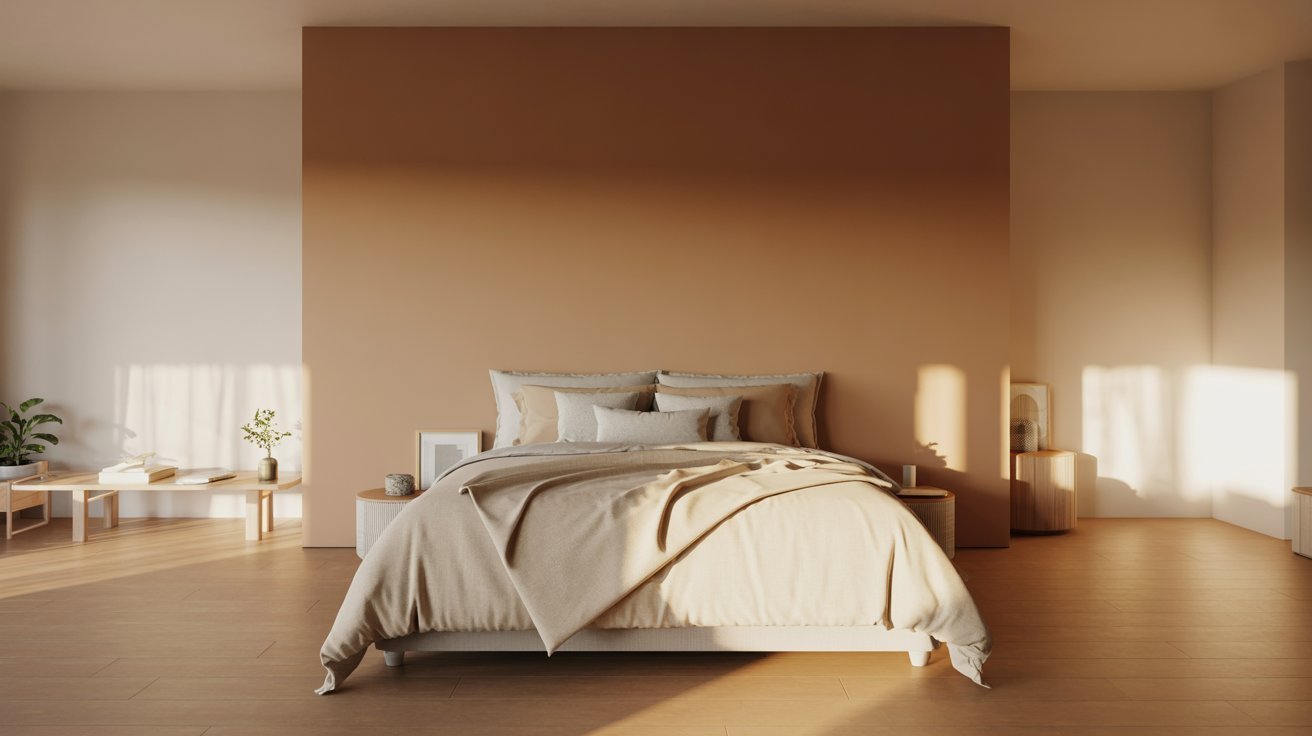
Where you place your bed changes everything about your room. It affects how well you sleep, how safe the space feels, and how easy it is to move around.
A bad position can mean waking up to noise, harsh light, or bumping into furniture at night. A good one gives you easy access, better airflow, and a room that feels calm.
The bed is the biggest piece of furniture in the room. So it makes sense to build the rest of the layout around it.
The Best Place to Put a Bed in a Bedroom
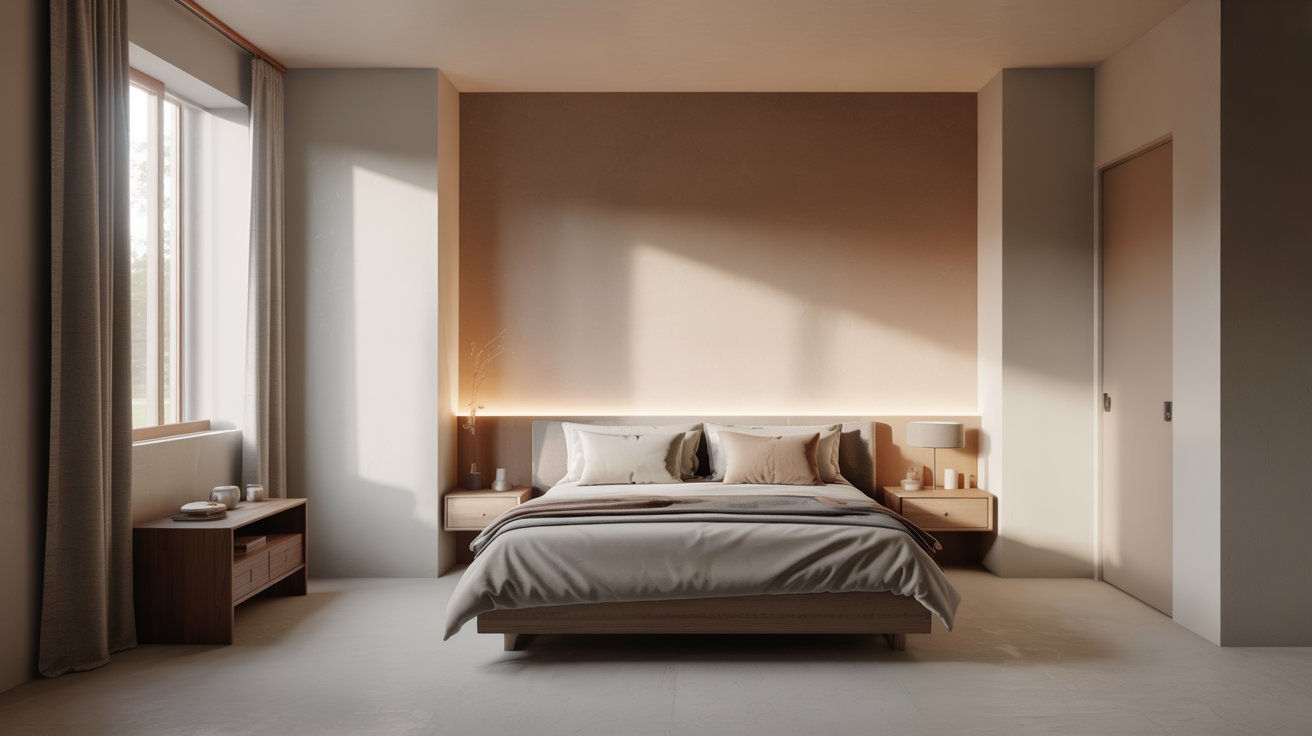
Where you place your bed matters more than you think. It shapes your sleep, safety, and room flow.
Place the Bed Where You Can See the Door
Put your bed on the wall opposite or diagonal to the door. This way, you can see who enters without being right in the doorway.
It gives you a clear view of the room and makes the space feel more open.
Keep the Bed Out of Direct Line With the Door
Having your bed directly in line with the door can disrupt your sleep.
Cold drafts, noise, and light from outside the room all hit you first. Moving it slightly to the side fixes this.
Why This Layout Improves Comfort and Security
When you’re not in the direct path of the door, you sleep with less tension. Your body feels less exposed. This simple shift can make a big difference in how rested you feel each morning.
Put the Headboard Against a Solid Wall
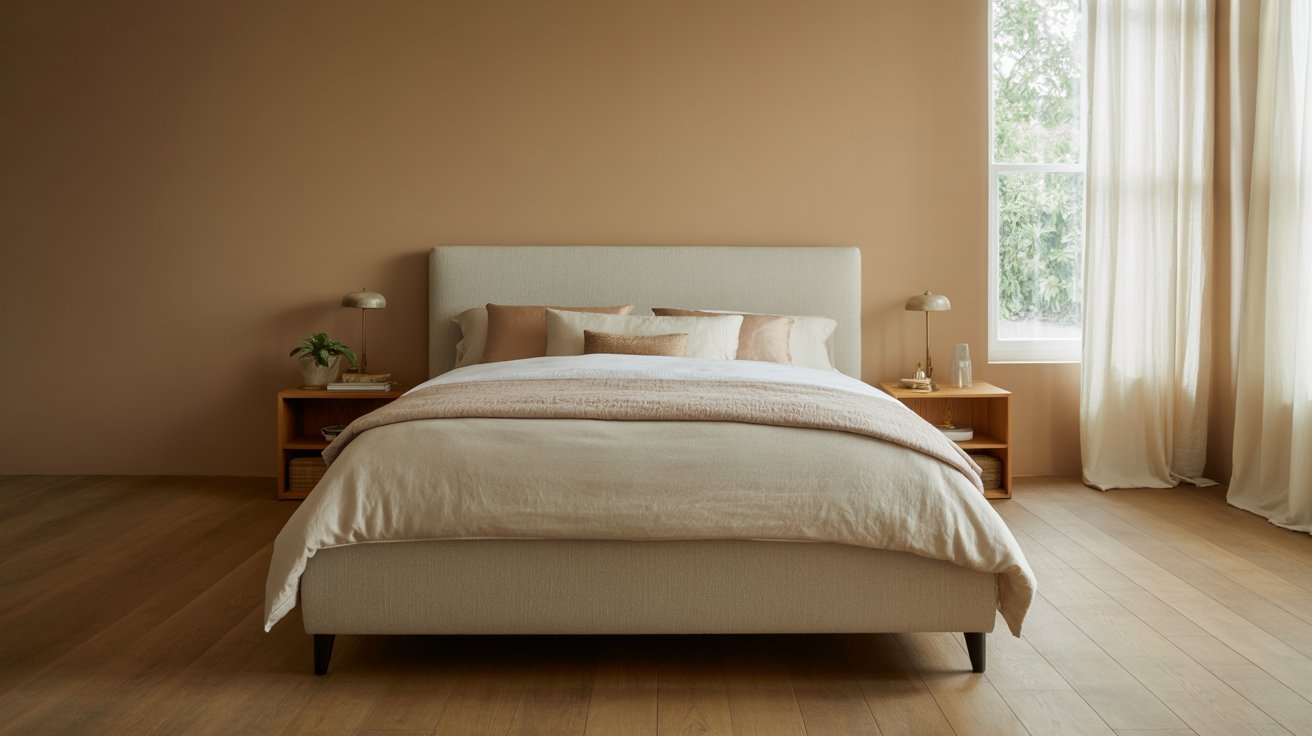
A solid wall behind your bed is one of the simplest ways to make your bedroom feel more settled and sleep-friendly.
Why a Solid Wall Creates Support and Stability
A solid wall behind your bed gives you a sense of security. It supports the headboard, reduces wobble, and makes the bed feel grounded.
There’s no draft, no noise coming through, and no weak surface shifting behind you at night. Most people sleep better when there’s something firm and stable behind them.
It also makes the bed look more intentional in the room.
Avoid Placing the Head of the Bed Under Windows
Windows let in cold air, noise, and early morning light. All of these can break your sleep cycle without you even realizing it.
A headboard under a window also gets exposed to condensation and temperature changes over time. If you’re a light sleeper, this spot will make things worse.
It’s one of the most common bedroom mistakes people make without knowing it.
When a Window Behind the Bed Can Still Work
Sometimes a window is your only option, and that’s okay. Use thick curtains or blackout blinds to block out light and reduce outside noise.
A tall, solid headboard helps act as a buffer between you and the glass. Adding a draft stopper or thermal curtains can also help with temperature. It won’t be perfect, but with the right fixes, it can work well enough.
Leave Space on Both Sides of the Bed
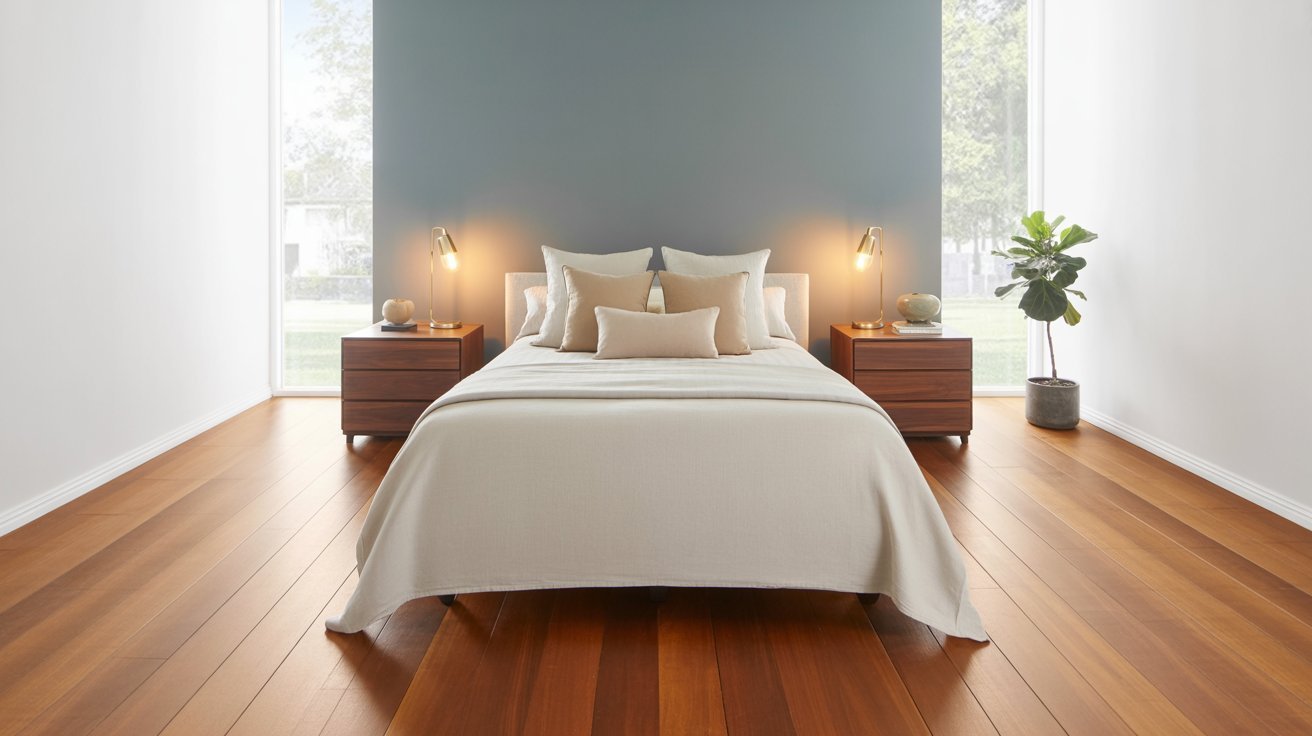
A little breathing room on each side of the bed makes your bedroom easier to use and a lot more comfortable to live in.
Why Balanced Space Improves Accessibility
When both sides of the bed have clear space, getting in and out becomes easier for everyone. This matters even more if you share the bed.
No one should have to climb over the other person just to get up at night. Equal space on both sides also makes the room feel more balanced and less cramped.
Recommended Clearance Around the Bed
A minimum of 24 inches on each side is a good rule to follow. This gives you enough room to walk, make the bed, and move around without knocking into furniture.
If your room allows it, 30 to 36 inches is even better. At the foot of the bed, aim for at least 24 to 30 inches so the space feels open and easy to move through.
Nightstand Placement for Convenience
A nightstand on each side keeps things within reach, your phone, a glass of water, a book. Place them close enough to the bed so you don’t have to stretch or get up for small things.
If space is tight, a wall-mounted shelf works just as well. The goal is to keep the area functional without adding clutter to the room.
Keep the Bed Away From Doors and Busy Areas
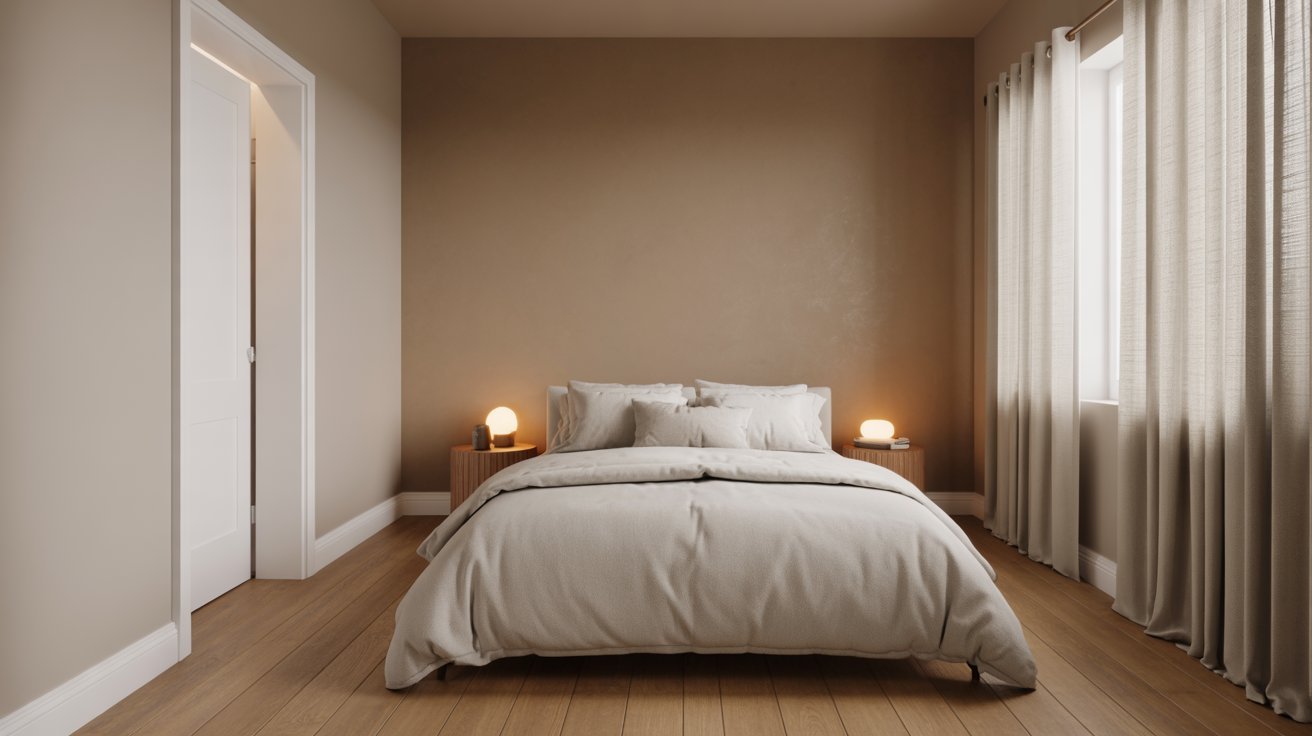
Placing your bed too close to a door is one of the quickest ways to ruin a good night’s sleep. Doors bring noise, light, and foot traffic, all of which disturb your rest.
In many cultures, having your feet point directly toward the door is also considered bad practice and unsettling.
If your room layout makes this hard to avoid, try angling the bed or adding a room divider. Sometimes a simple furniture shift is all it takes to make the space feel calmer.
Bedroom Layout Ideas for Different Room Shapes
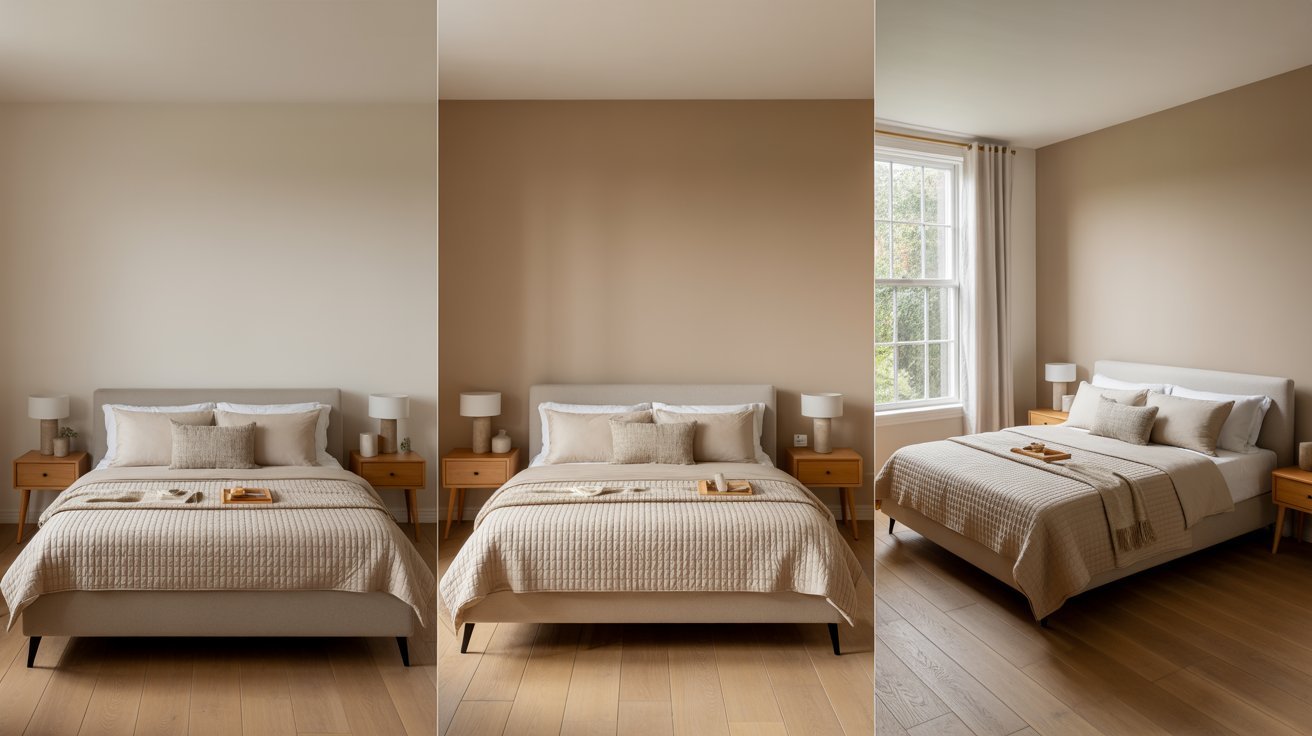
The shape of your room decides a lot about where your bed can go. Here are some simple layout ideas that work for different room types.
1. Centering the Bed on a Solid Wall
Placing the bed in the center of a solid wall creates a balanced look. It gives equal space on both sides and makes the room feel organized and easy to move around in.
This works best in square or rectangular rooms with enough wall space to work with.
2. Placing the Bed Between Two Windows
If you have two windows on the same wall, centering the bed between them can work well.
It keeps the layout symmetrical and lets in natural light from both sides. Use blackout curtains to manage light and keep the area draft-free during the night.
3. Diagonal Bed Placement for Small Bedrooms
Placing the bed at an angle can open up floor space in a small room. It creates a different flow and makes the room feel less boxy and more interesting.
This works best in corner spaces with limited wall length where straight placement feels too tight.
Tips for a Safe and Comfortable Bedroom Layout
- Keep at least 24 inches of clear space around your bed and other furniture. This makes it easy and safe to move around, especially at night.
- Tripping over misplaced items in the dark is more common than you think. Clear walkways from the door to the bed should always be a priority.
- A nightstand on each side of the bed keeps things balanced and within reach. Matching lamps on both sides also add to the overall symmetry of the room.
- Good lighting on both sides of the bed means no one has to reach across in the dark. It makes the space feel more even and functional for two people.
- A clutter-free zone around the bed helps you sleep better and move around safely. Keep only what you need on the nightstand and clear the floor around the bed.
Final Thoughts on the Best Bed Placement in a Bedroom
Getting your bed placement right is not complicated, but it does make a real difference. I have seen how one small shift in layout can change how a room feels completely.
Put function first, keep movement easy, and make sure the space supports good sleep. A room that works well for you is always the right choice.
Try one change at a time and see what feels best for your space.
Ready to reset your bedroom layout? Start with the bed and build from there.
Frequently Asked Questions
What is the best wall to place a bed against?
The best wall is usually the one opposite or diagonal to the door. It gives you a clear view of the room and helps you sleep with less tension.
How much space should I leave around my bed?
A minimum of 24 inches on each side is a good starting point. This gives you enough room to move around comfortably without feeling cramped.
Is it bad to place the bed under a window?
It is not ideal, but it can work with the right fixes. Use blackout curtains and a solid headboard to block light, drafts, and outside noise.
Should the bed face the door directly?
It is better to avoid having your feet point straight at the door. A slight angle or side placement feels more comfortable and less exposed during sleep.
Can I place my bed against a bathroom wall?
It is better to avoid this if you have other options. Plumbing noise and water sounds can come through the wall and disturb your sleep at night.