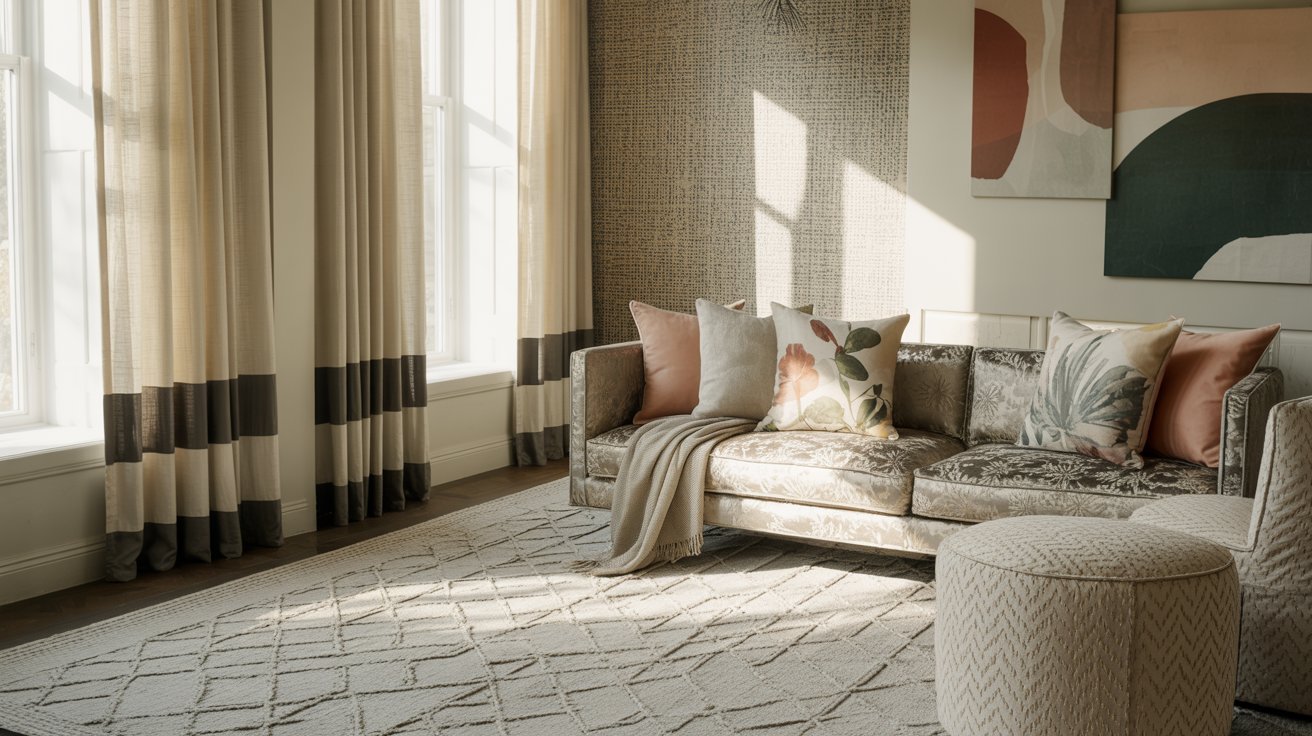
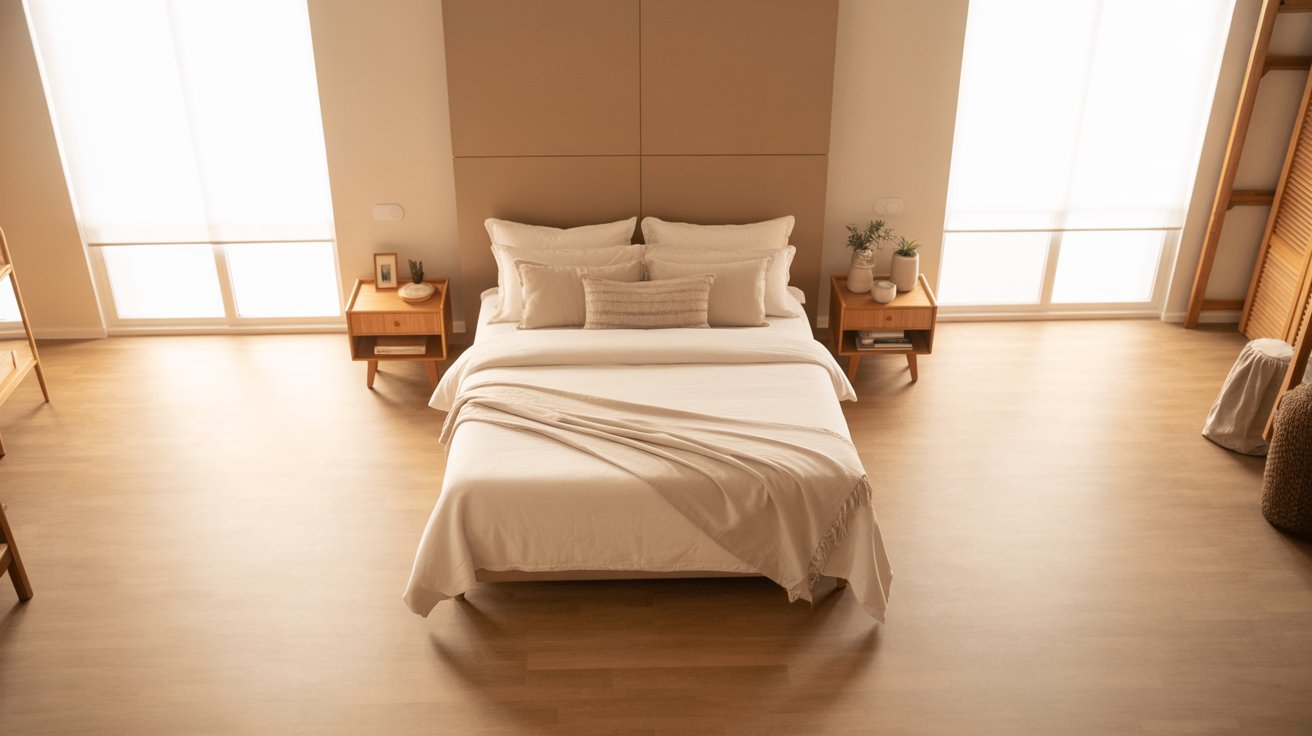
I’ve spent a lot of time thinking about color choices for interiors, and one question keeps coming up, is green a neutral color? It surprised me too at first. But the answer is yes, in many cases, it can be.
In this guide, I’ll walk you through what makes a color neutral, why green fits that role, the best shades to use, and how to style them in your home.
By the end, you’ll know exactly how to use green with confidence. Backed by real interior design knowledge to help you make the right call.
Understanding Neutral Colors in Interior Design
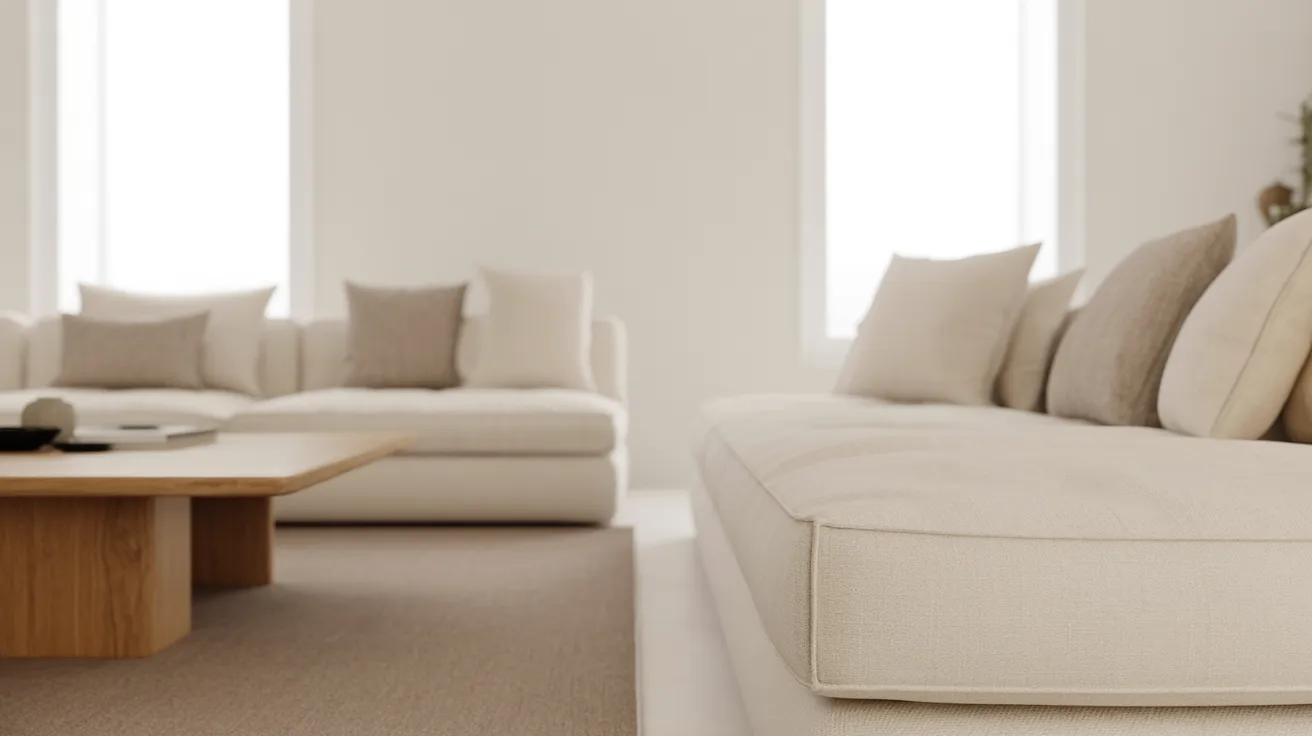
I always come back to neutrals when I’m not sure where to start with a room. A neutral color doesn’t fight for attention. It sits quietly and lets everything else shine.
Whites, beiges, grays, creams, and taupes are the most common in home decor. They work across styles and pair easily with furniture, art, and textiles without creating visual conflict.
What I love most is the flexibility. You can swap out pillows or rugs without worrying about clashing. Neutral palettes bring balance and calm to a space, and that never really goes out of style.
Is Green a Neutral Color in Interior Design?
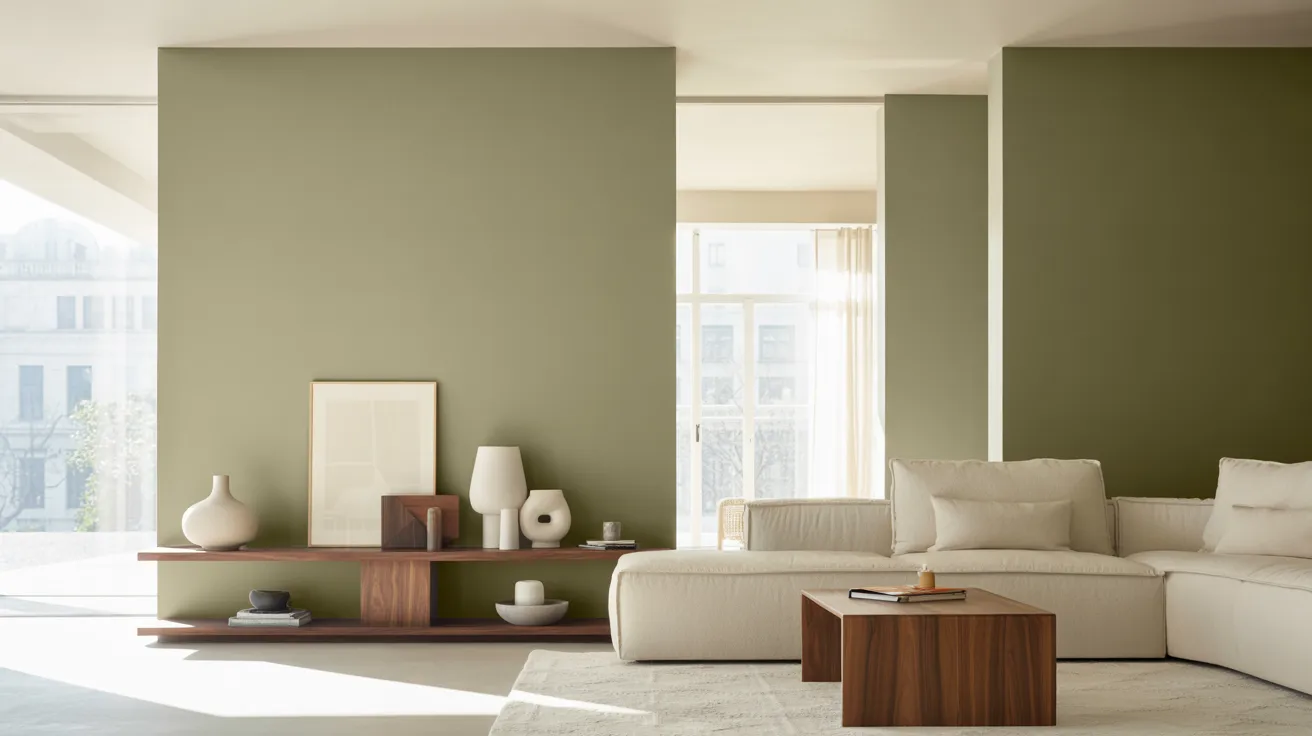
Green is stepping into the neutral space, and designers are taking notice.
Why Many Designers Consider Green a Neutral
Muted and earthy greens sit close to neutral on the color scale. They are not bold or sharp. When softened with gray or brown undertones, green stops feeling like an accent color.
It starts acting like a base. Many designers now use it the same way they would use beige or warm white.
How Green Compares to Beige, Gray, and White
Beige and gray are flat without much personality. White can feel cold in certain lighting. Green brings something extra. It has warmth, depth, and life.
Yet soft greens still stay quiet in a room. They do not pull focus the way bright or saturated colors do.
The Natural Influence Behind Green’s Neutral Feel
Green is everywhere in nature. Leaves, moss, branches, and grass. Our eyes are trained to accept green as a background.
That is part of why muted greens feel so restful and easy to live with in a home.
Why Green Works Well as a Neutral Color
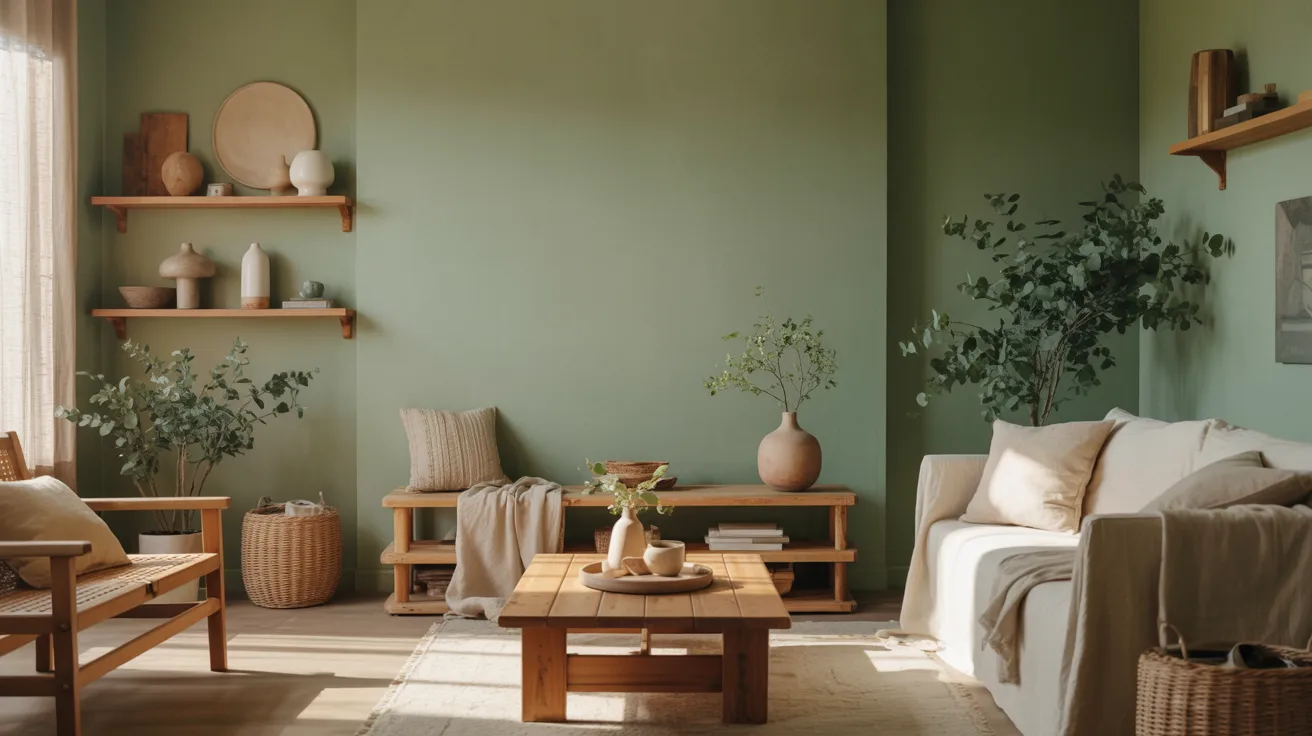
There are solid reasons why green has earned its place in the neutral category.
Green Creates a Calm and Relaxing Atmosphere
Soft green tones lower visual tension in a room. Studies have shown that green is linked to rest and calm. It works especially well in bedrooms and living rooms where you want to feel at ease.
It Pairs Easily With Many Interior Color Palettes
Green pairs with,
- Warm whites and creams
- Natural wood tones
- Terracotta and rust
- Deep navy and charcoal
- Blush and dusty rose
That range of pairing options is what makes green act like a true neutral.
Adds Soft Color Without Overpowering a Room
A muted green wall gives a room color without drama. It adds character while still letting furniture and decor stand out. That quiet presence is exactly what a neutral is supposed to do.
Best Shades of Green That Work Like Neutrals
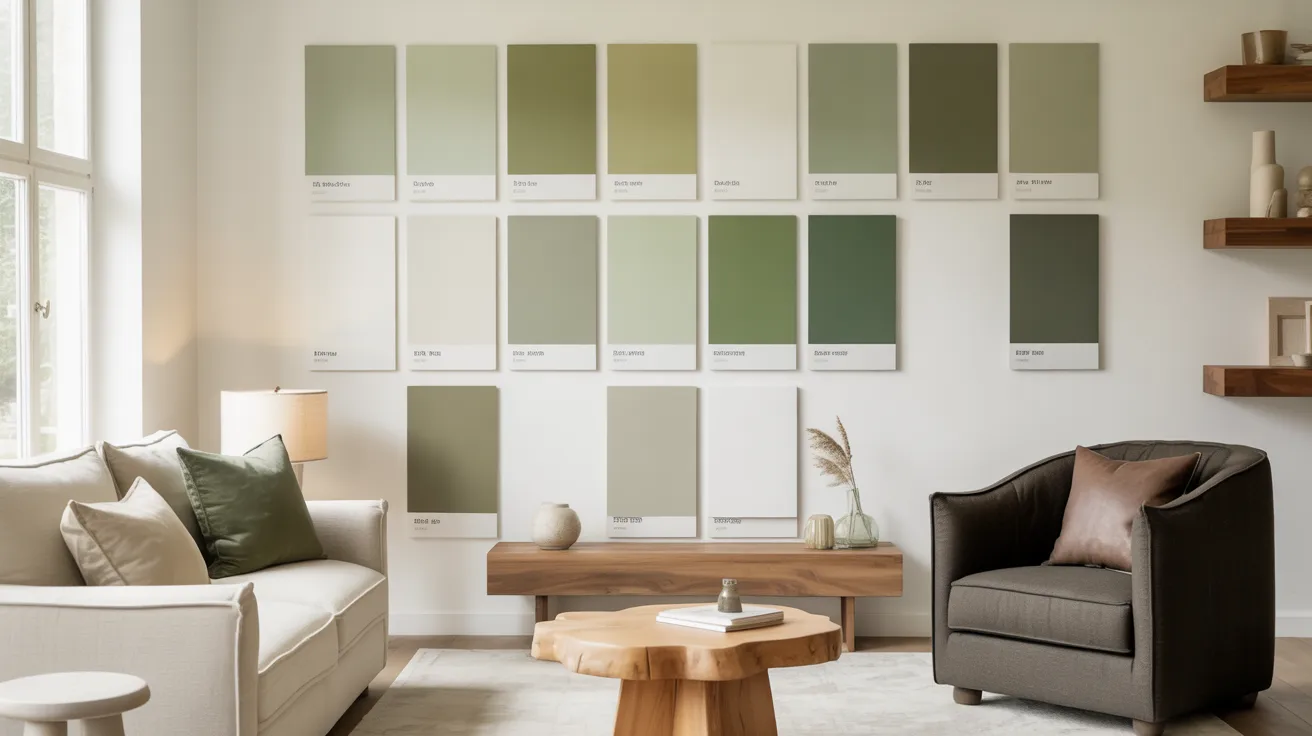
Not every green works as a neutral. These four shades do.
1. Sage Green for Soft and Airy Spaces
Sage green has gray in it. That gray tone pulls it into neutral territory. It works well in kitchens, bathrooms, and bedrooms. Sage feels clean and soft without being stark.
2. Olive Green for Warm and Earthy Interiors
Olive green leans toward brown and gold. It feels grounded and rich. It pairs naturally with wood, leather, and linen. If you like earthy, warm spaces, olive green is a strong choice.
3. Moss Green for Nature-Inspired Rooms
Moss green is deeper and more saturated than sage. It brings the outdoors inside. Use it in spaces where you want texture and depth without going too dark.
4. Muted Mint Green for Fresh and Light Decor
Mint green with a muted tone works in spaces that need brightness. It feels fresh without being bold. Pair it with white trim and natural wood for a clean, light look.
How to Use Green as a Neutral in Home Decor
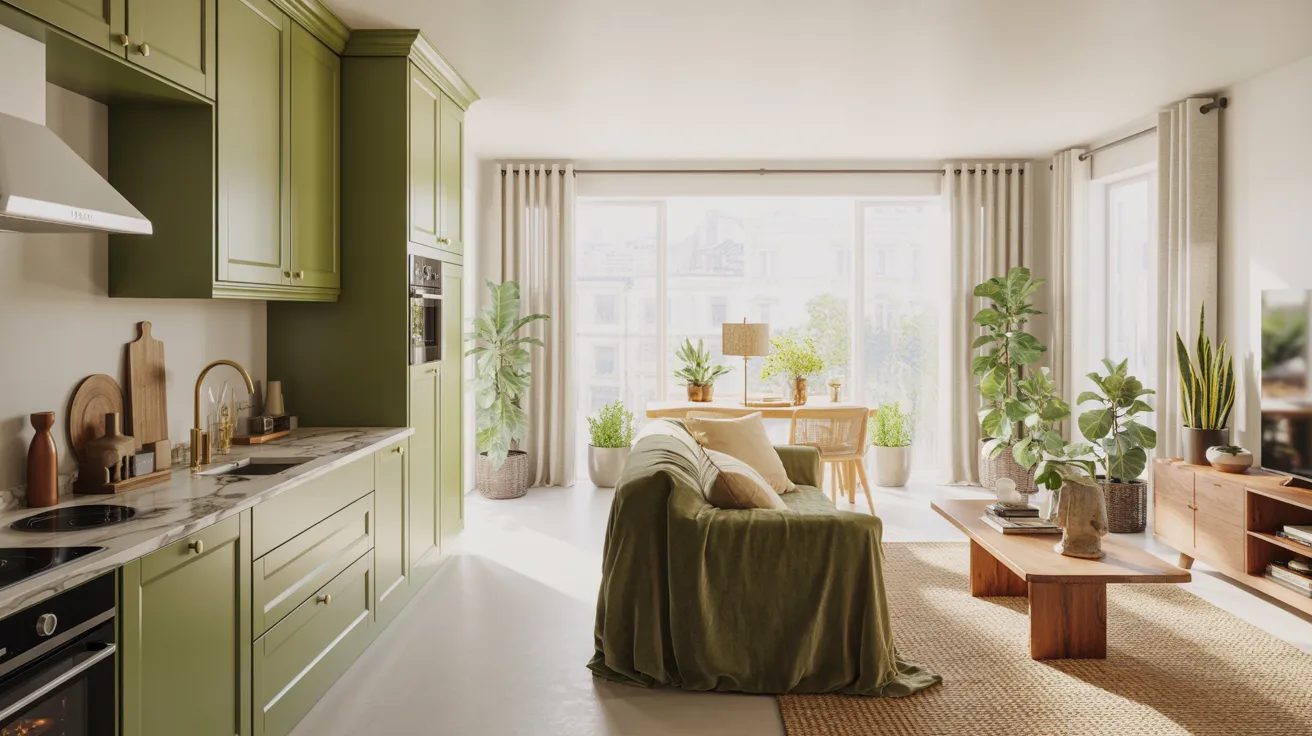
Practical ways to bring green into your space as a neutral base.
Using Green Walls, Cabinets, and Furniture
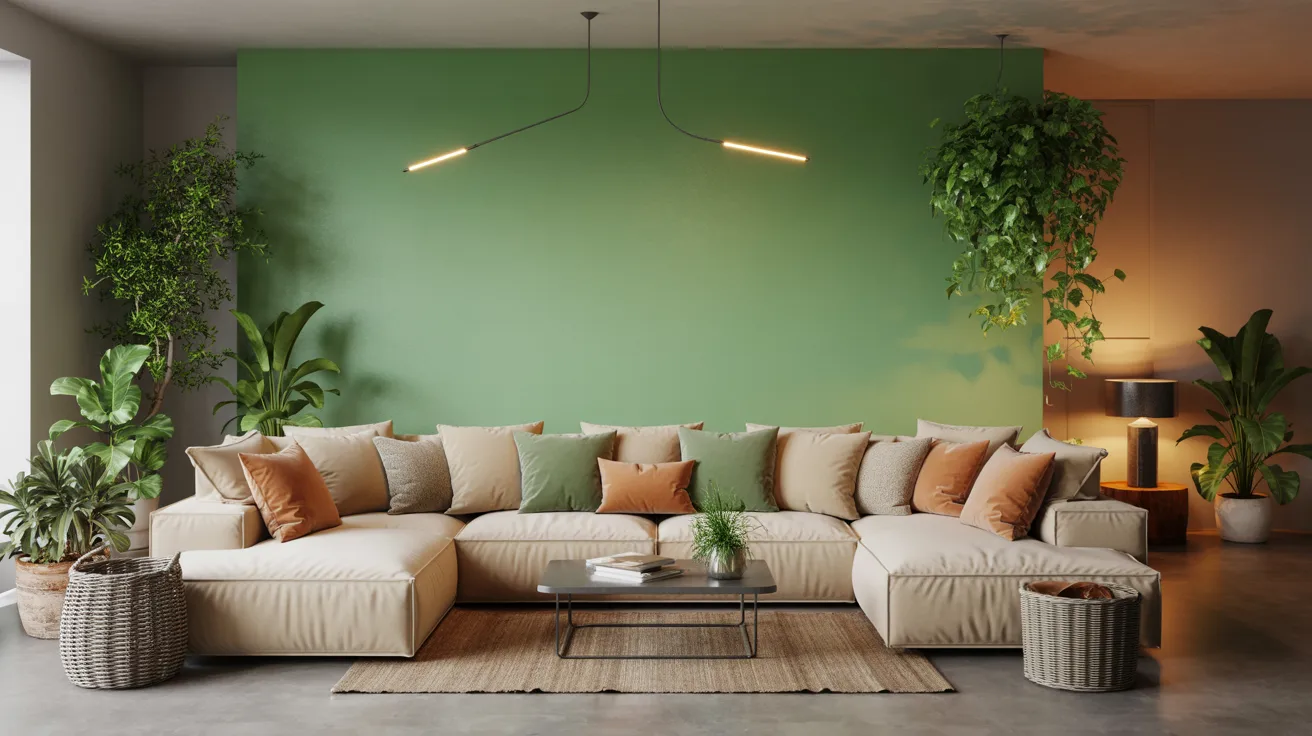
Painting a room in sage or soft olive is one of the easiest ways to use green as a neutral base. Art, mirrors, and furniture all look more grounded against a muted green wall.
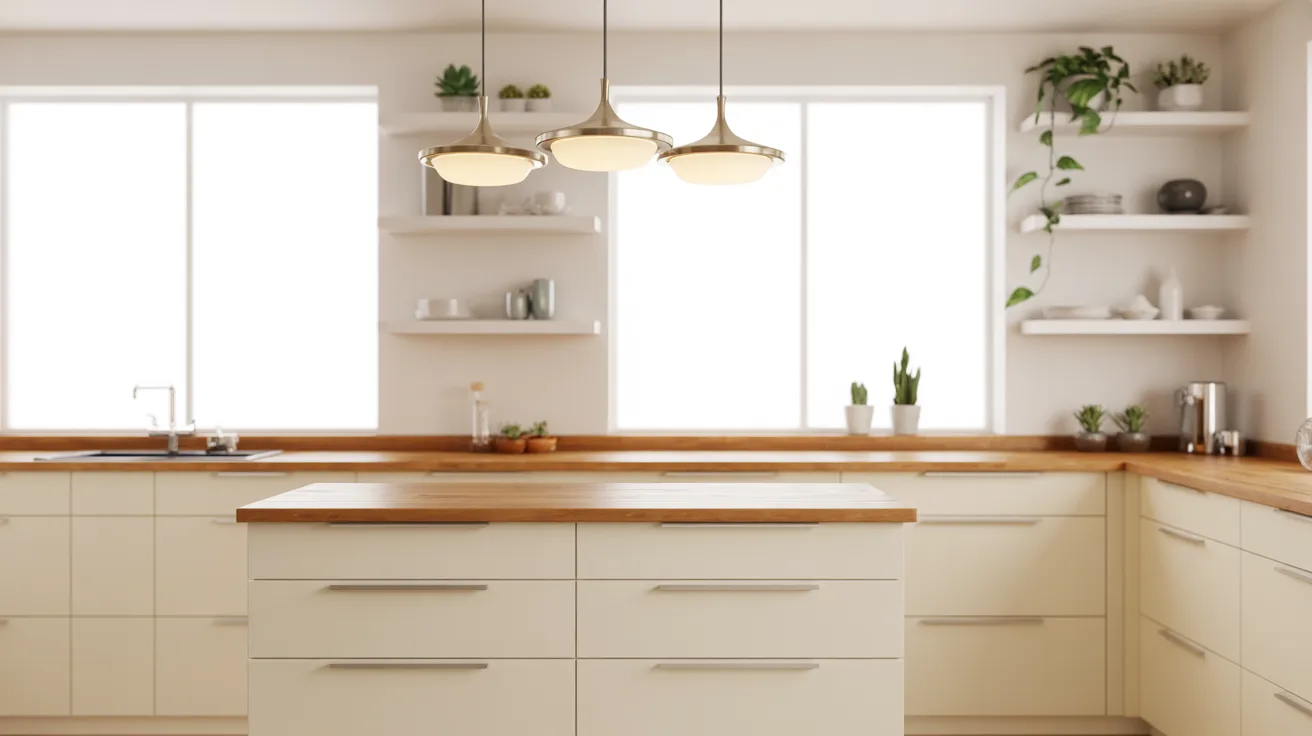
Green kitchen cabinets are also a popular choice right now. They add warmth and personality without feeling too bold.
A sage or olive green sofa can anchor a living room in the same quiet, steady way a beige or gray piece would.
Adding Green Through Textiles, Accessories, and Plants
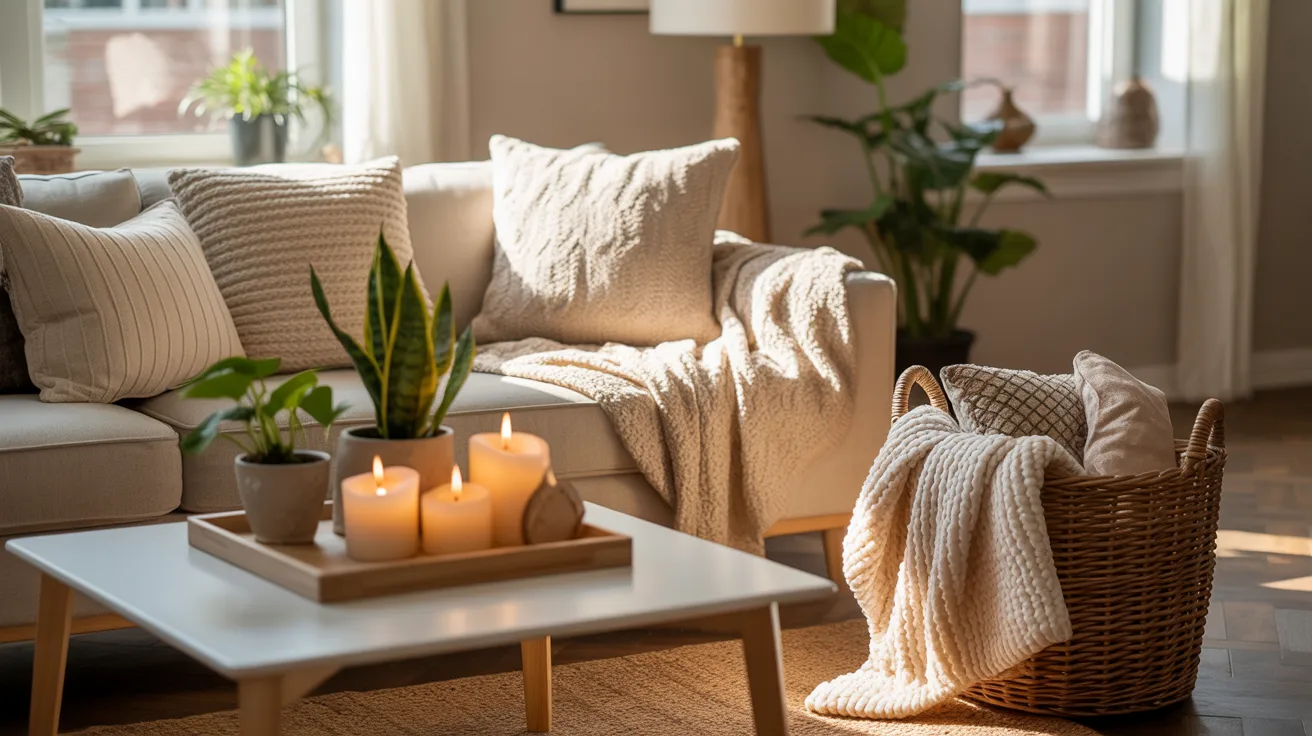
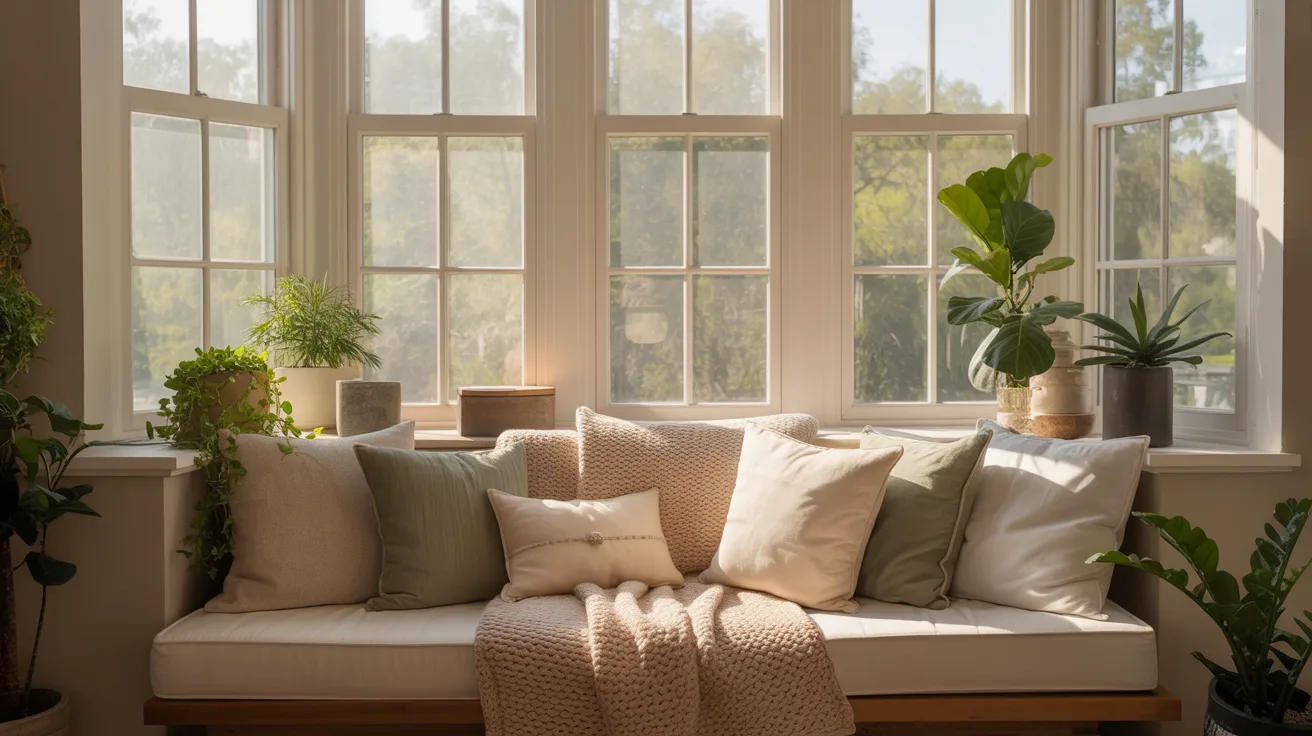
If you are not ready for green walls, start small. Green throw pillows, moss-toned blankets, olive curtains, and sage table runners all bring green into a room in a gentle way.
Indoor plants are another great option. They add real green tones without any paint or fabric involved.
The mix of leaf shades creates a layered, natural look that pairs well with muted green decor throughout the space.
Tips for Decorating With Green as a Neutral
Simple tips to help you use green in a way that feels right and balanced.
- Stick to muted greens with gray, brown, or beige undertones. These shades stay calm and do not overpower a room.
- Pair green with warm neutrals like cream, tan, or terracotta to keep the space feeling balanced and inviting.
- Add wood elements wherever you can. Green and natural wood go together in a very easy, grounded way.
- Always test paint swatches on your wall before committing. Green looks different in morning light versus evening light.
- Bring in natural materials like linen, jute, rattan, or stone. They pair with green in a way that feels connected and cohesive.
- Layer different shades of green slowly. Start with one piece or wall and build from there without rushing.
- Keep the rest of the room simple. The quieter your other elements are, the better muted green will work as your neutral base.
Conclusion
So, is green a neutral color? In my experience, yes, when you pick the right shade, it absolutely can be.
Soft greens like sage and olive have changed the way I think about color. They bring warmth and life to a room without taking over.
I hope this guide gave you the confidence to try green in your own space. If you found this helpful, leave a comment below or share it with a friend who’s redoing a room.
I’d love to hear how it goes!
Frequently Asked Questions
Is green considered a neutral color in interior design?
Yes, muted shades like sage and olive are often used as neutrals. They blend well with many colors and do not overpower a room.
What shades of green work best as a neutral?
Sage, olive, moss, and muted mint work best. These shades have gray or brown undertones that tone down the color.
Can I use green walls in a small room?
Yes, soft green can actually make a small room feel more open. Lighter shades like sage or muted mint work especially well in tight spaces.
What colors pair well with green used as a neutral?
Green pairs well with warm whites, wood tones, terracotta, navy, and blush. It is a flexible base for many color combinations.
Is sage green a good neutral for a living room?
Sage green is one of the best choices for a living room. It feels calm, pairs with many styles, and works in both natural and artificial light.