Your hardwood floors looked great when first installed. Now? Scratches, dullness, and worn spots are taking over.
I’ve been there, and I know how frustrating that feels. This guide breaks down hardwood floor resurfacing vs refinishing so you can make the right call without wasting money.
I’ll cover costs, key differences, and when each method actually makes sense for your home. With years of flooring knowledge behind this breakdown, you’ll leave with a clear answer.
No guessing. No confusion. Just straight, honest advice to help you decide what your floors actually need.
Hardwood Floor Resurfacing & Refinishing at a Glance
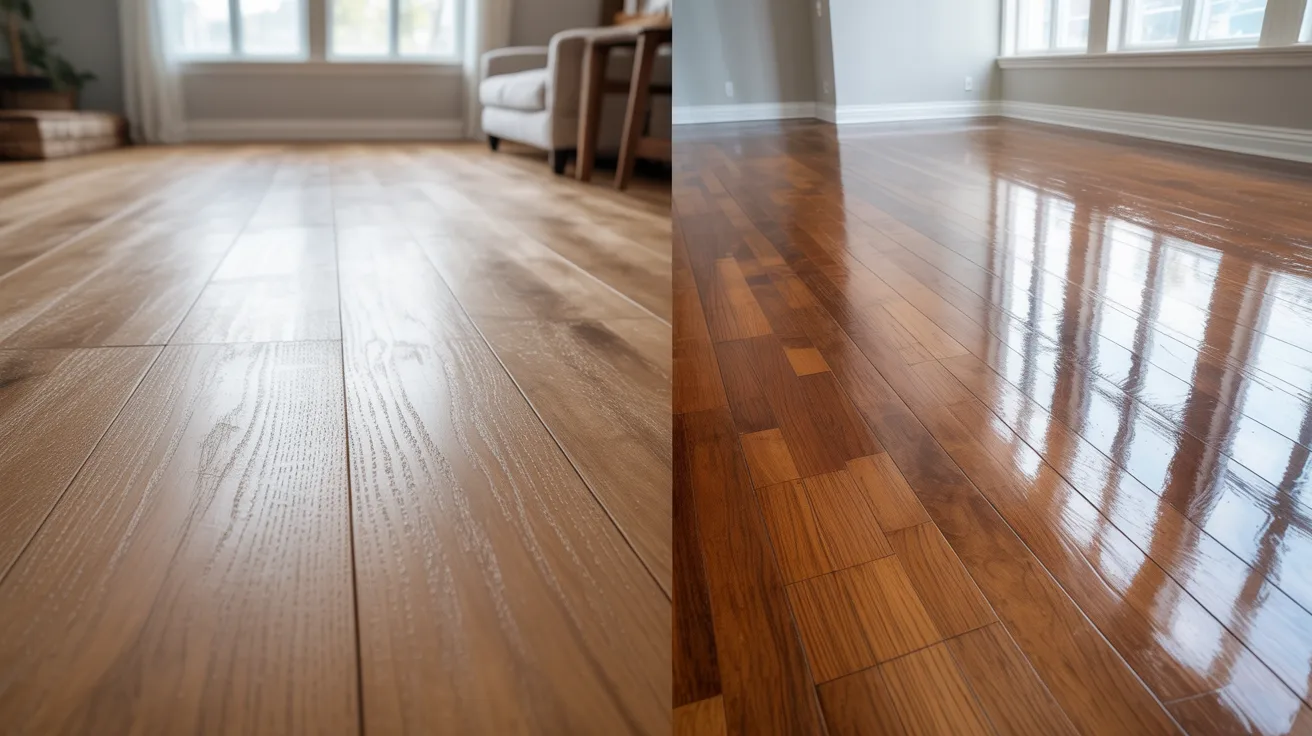
Both resurfacing and refinishing restore hardwood floors, but they work differently. Resurfacing adds a new protective layer over the existing floor. Refinishing sands it down to bare wood and applies a fresh finish from scratch.
Resurfacing works best for light wear and minor scratches. Refinishing goes deeper, removing old finish, stains, and damage that resurfacing cannot fix.
Picking the wrong method is a costly mistake. Too much work costs more than needed. Too little and the damage comes back fast. Knowing which fits your floor’s condition saves you time, money, and frustration.
What Is Hardwood Floor Resurfacing?
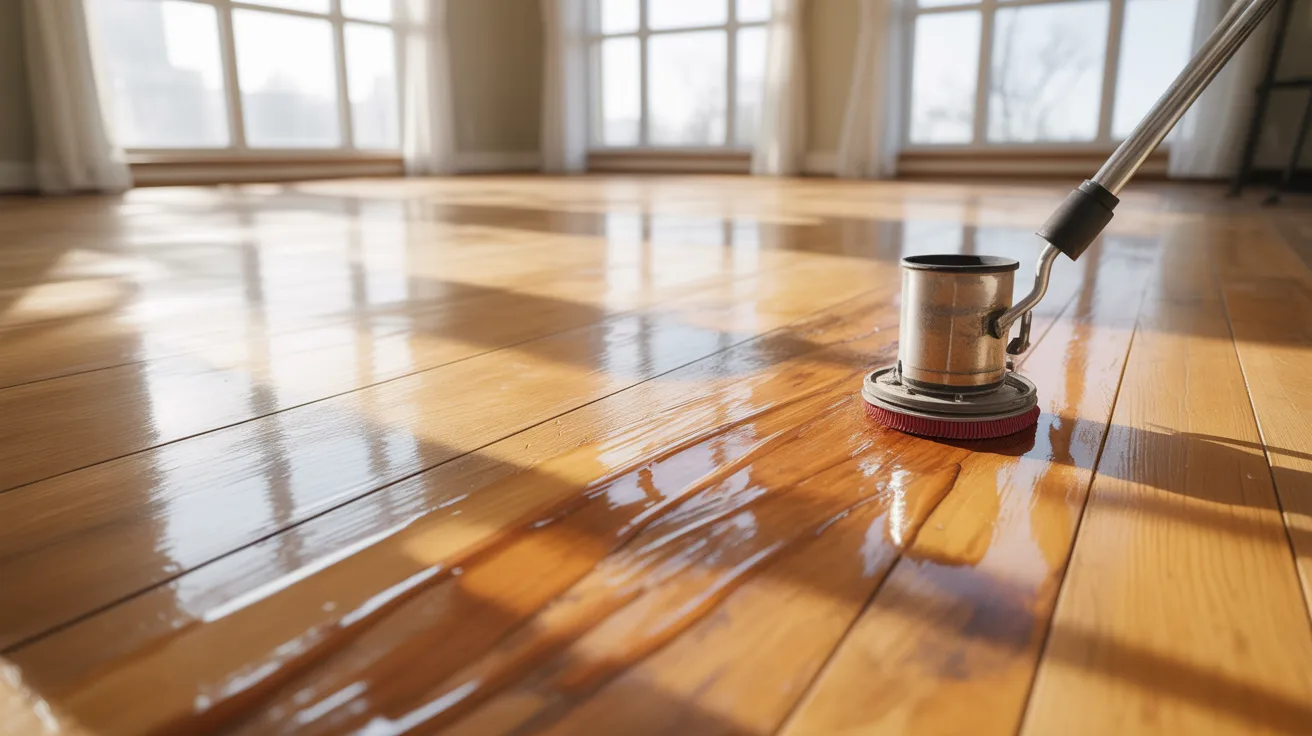
A lighter approach to floor restoration that refreshes the surface without heavy sanding or major disruption.
How the Resurfacing Process Works
Resurfacing starts with a thorough cleaning of the floor. Then the surface is lightly abraded to help the new finish bond properly. After that, a fresh coat of finish is applied right over the existing wood. No heavy sanding machines.
No stripping the floor down to bare wood. The existing wood stays mostly intact throughout the process. Most jobs wrap up in one to two days, making it one of the least disruptive floor restoration options available.
Benefits of Hardwood Floor Resurfacing
Resurfacing comes with some clear advantages worth knowing:
- Less dust and mess inside your home
- Lower cost compared to full refinishing
- Faster turnaround with minimal disruption
- Works well on floors with minor scratches or fading
Resurfacing makes the most sense when your floors still have good structure but look worn on the surface.
If the finish is dull or lightly scratched but the wood underneath feels solid, resurfacing can bring that floor back to life quickly and affordably.
What Is Hardwood Floor Refinishing?
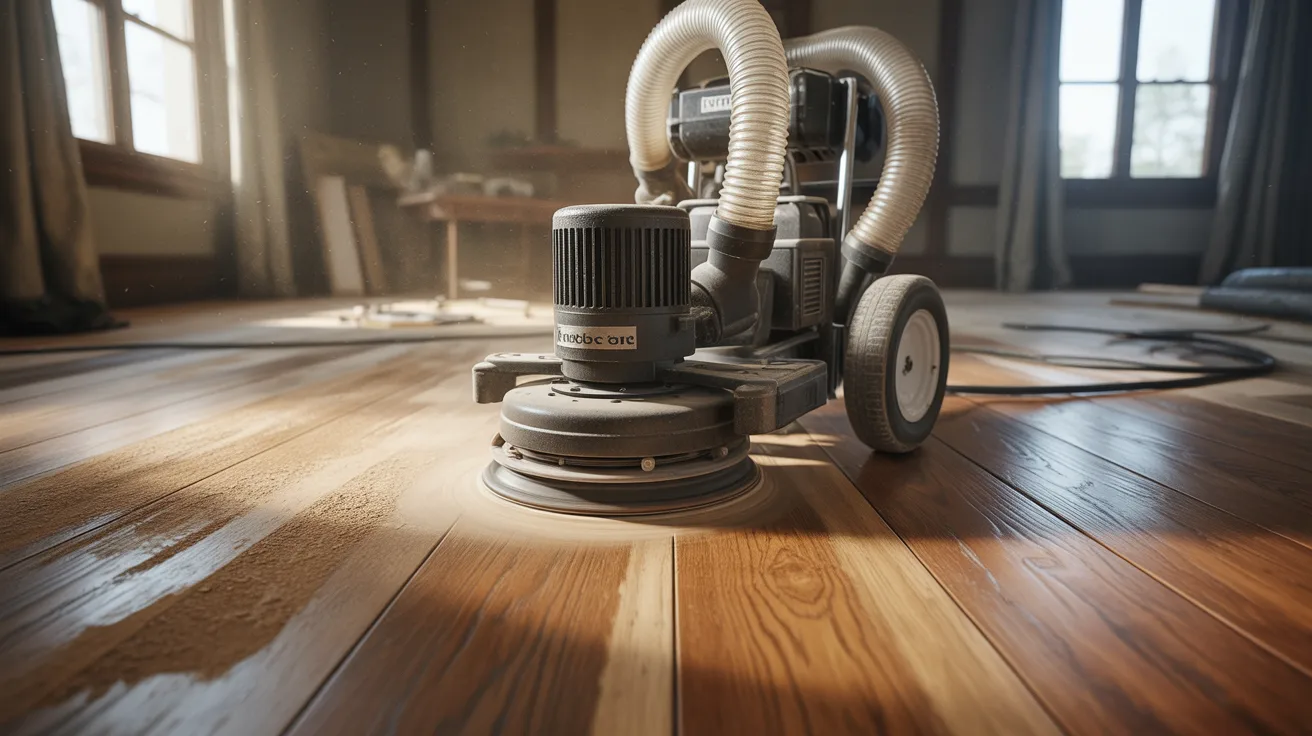
A deeper restoration process that sands floors down to bare wood and gives them a completely fresh start.
How the Refinishing Process Works
Refinishing starts with sanding the floor all the way down to bare wood. Every layer of old finish, staining, and surface scratches gets removed in this step. Once the wood is clean and smooth, a new stain is applied, followed by multiple coats of finish.
Each coat needs time to dry before the next one goes on. The full process takes three to five days. The room needs to be completely cleared before work begins, so plan accordingly.
Benefits of Hardwood Floor Refinishing
Refinishing offers results that resurfacing simply cannot match:
- Removes deep scratches, gouges, and stubborn stains
- Lets you change the stain color completely
- Adds significant years to the life of your floors
- Restores floors that look too far gone to save
If your floors have deep scratches, dark black stains, or widespread damage, refinishing is the right move. It is also the better choice when you want a whole new look.
Want to go from light natural wood to a rich dark stain? Refinishing gives you that freedom. It resets your floors entirely and gives you full control over the final result.
Hardwood Floor Resurfacing vs Refinishing Cost
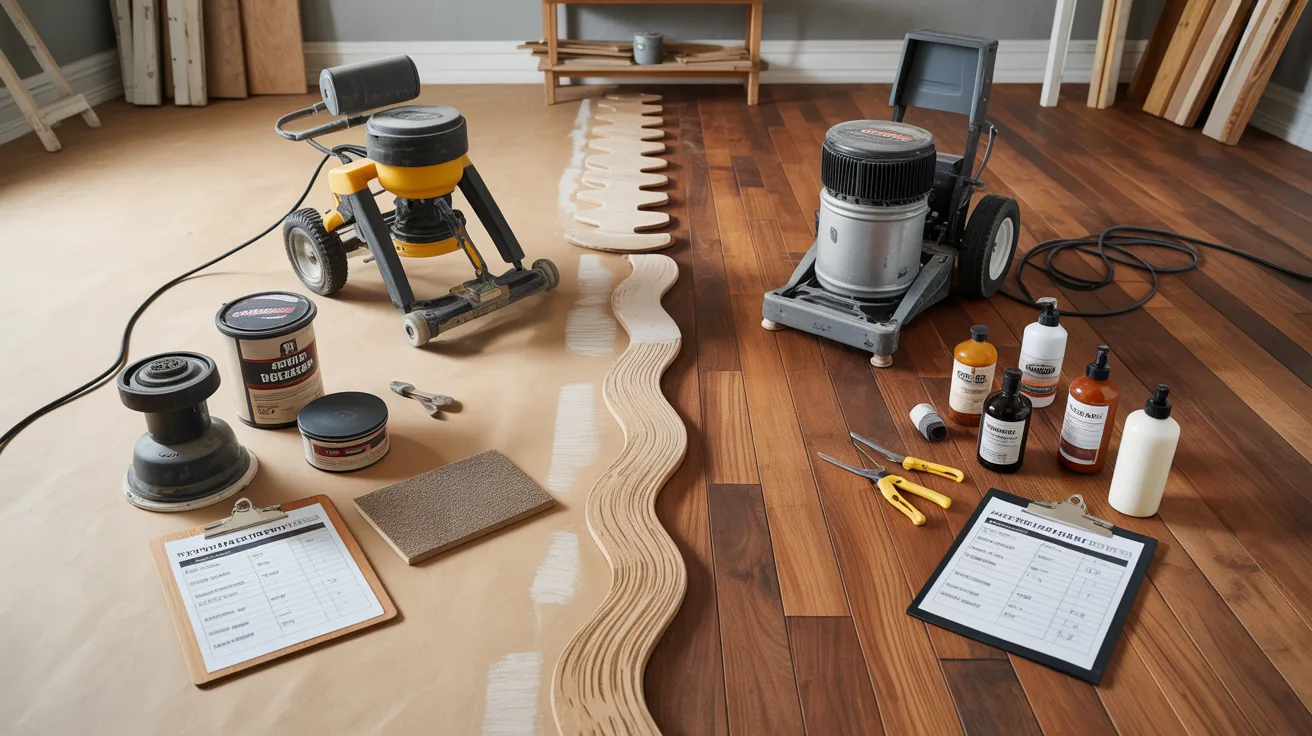
Costs vary based on floor size, condition, and method, so let’s break it down clearly.
Average Cost of Hardwood Floor Resurfacing
Resurfacing typically costs between $1 and $3 per square foot. For a 500-square-foot area, you’re looking at $500 to $1,500. The lower cost reflects the lighter workload and fewer materials needed.
Average Cost of Hardwood Floor Refinishing
Refinishing runs higher, usually $3 to $8 per square foot. For the same 500-square-foot space, expect to pay $1,500 to $4,000. The price includes sanding, staining, and multiple finish coats.
Which Option Offers Better Long-Term Value
Refinishing costs more upfront but lasts longer. A well-done refinish can last 10 years or more.
Resurfacing may need to be repeated sooner, especially in high-traffic areas. If your budget allows, refinishing often gives you better value over time.
Hardwood Floor Resurfacing vs Refinishing Key Differences
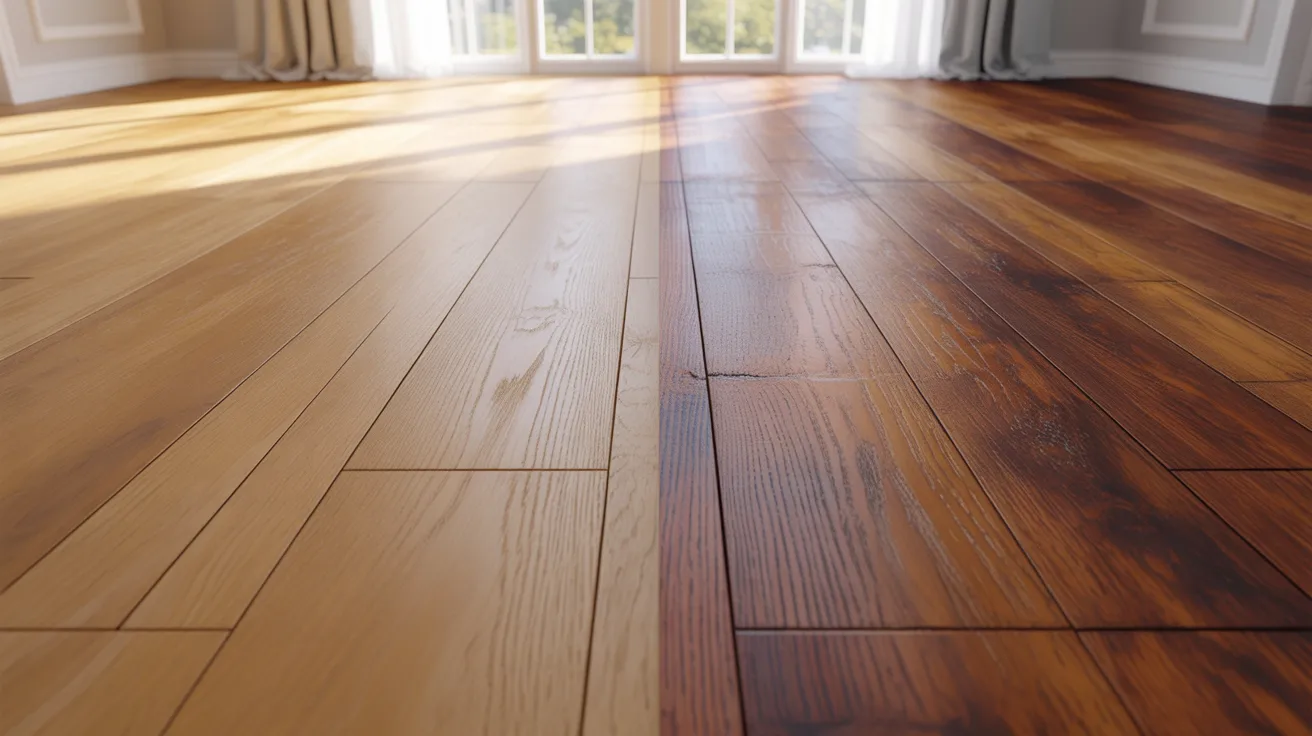
Side by side, these two methods have clear gaps in effort, results, and lifespan.
| Factor | Resurfacing | Refinishing |
|---|---|---|
| Level of Work & Time | Light work with simple tools. Usually done in 1–2 days. | Full sanding process with machines. Can take several days. |
| Durability & Lifespan | Adds a few more years to the floor. | Restores the floor and can last 10+ years with care. |
| Appearance & Design Options | Keep the current color and style. | Allows stain changes and a different floor look. |
How to Decide Between Hardwood Floor Resurfacing vs Refinishing
The right choice comes down to your floor’s condition, your budget, and your goals.
Evaluate the Condition of Your Floors
Get on your hands and knees and look closely. Surface scratches and dull finish? Resurfacing is likely enough.
Deep grooves, warped boards, or stains that won’t clean off? You need refinishing. You can also do a simple water drop test. If water soaks in fast, the finish is gone and refinishing is the better call.
Consider Your Budget and Timeline
If you need a quick fix on a tight budget, resurfacing is a solid short-term option. If you have more time and money, refinishing gives you a longer-lasting result.
Think about how long you plan to stay in your home too. Selling soon? A refinish can boost home value more noticeably.
When Replacement Might Be a Better Choice
If the wood is less than 3/4 inch thick after years of past sandings, neither option may work. Very thin boards can’t handle sanding without risking damage. In that case, replacing the floor entirely might be the smarter investment.
Tips to Maintain Hardwood Floors After Resurfacing or Refinishing
Simple habits after treatment go a long way in keeping your floors in great shape for years.
- Use a cleaner made specifically for wood floors and avoid anything with harsh chemicals
- Skip wet mops entirely and use a barely damp mop instead to protect the finish
- Dry any water or spills off the floor immediately to prevent warping or staining
- Place rugs in hallways, entryways, and kitchens to reduce wear in high-traffic spots
- Stick felt pads under all furniture legs to prevent scratches from everyday movement
- Lift furniture when moving it instead of dragging it across the floor
- Keep indoor humidity between 35 and 55 percent year-round to stop wood from expanding or cracking
Conclusion
Choosing between hardwood floor resurfacing vs refinishing does not have to be complicated. Light wear? Resurfacing saves you time and money. Deep damage or a full refresh? Refinishing is worth it.
I always say, look at your floor honestly before deciding anything. Match what you see to your budget and go from there. I refinished my own floors two years ago and the difference was night and day.
Have questions or want to share how your project went? Drop a comment below. I would love to hear how your floors turn out.
Frequently Asked Questions
Can I resurface my hardwood floors instead of replacing them?
Yes, resurfacing is a great option if the wood is still in solid condition. It refreshes the surface without the cost of full replacement.
How many times can hardwood floors be refinished?
Most hardwood floors can be refinished four to six times over their lifetime. It depends on the thickness of the wood planks.
How long does hardwood floor refinishing take to dry?
After the final coat, allow at least 24 hours before walking on the floor. Full cure time is usually three to seven days.
Is resurfacing the same as buffing hardwood floors?
Not exactly. Buffing is a light cleaning and polishing process. Resurfacing goes a step further by applying a new coat of finish to protect and refresh the wood.
Does refinishing hardwood floors add value to a home?
Yes. Refinished hardwood floors are a strong selling point. Buyers notice them, and real estate agents often recommend refinishing before listing a home.