I’ve rearranged my living room more times than I’d like to admit. Getting 2 couches in a living room with TV to work together isn’t always easy. You want good TV angles, space to talk with guests, and a room that just feels right.
In this article, I’ll walk you through the best layouts, space-saving tips, and styling ideas to make it all click. If your room is small or large, I’ve got practical solutions.
Let’s fix this together. 10+ years of interior layout experience backs every tip here.
Why Layout Matters for 2 Couches and a TV
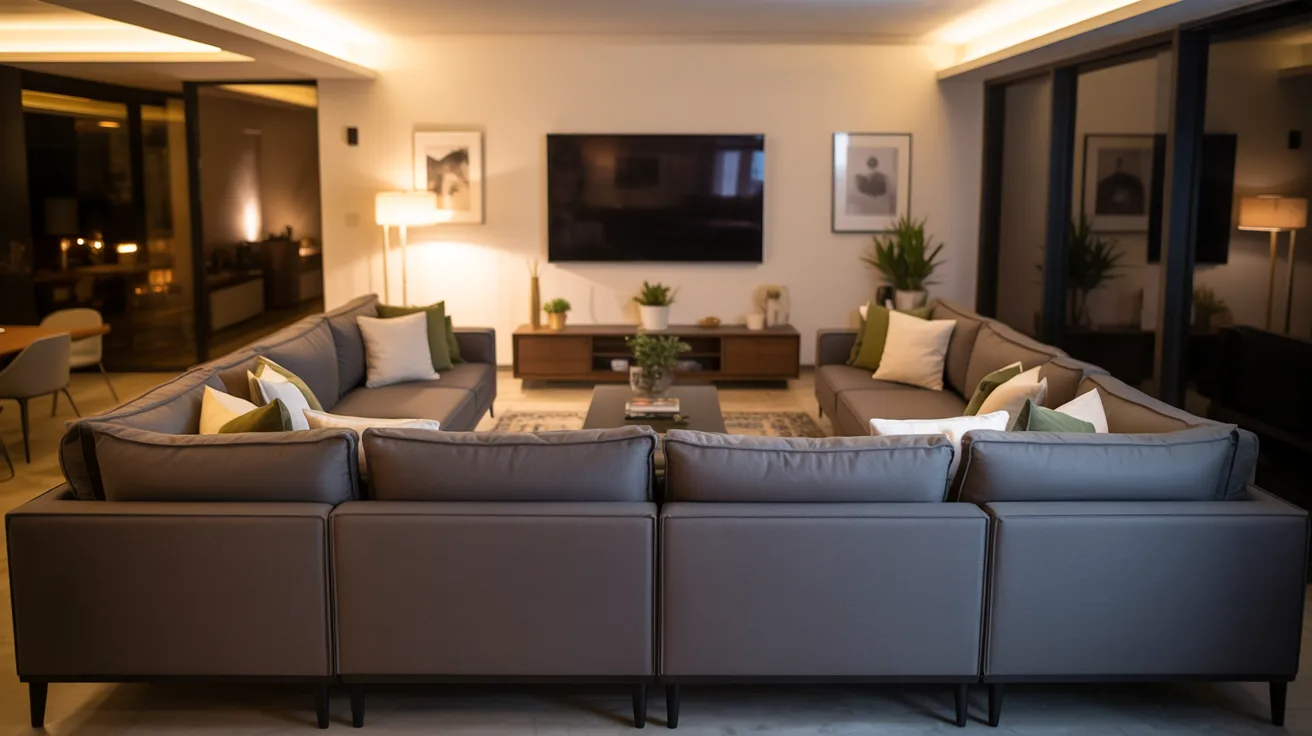
Furniture placement does more than fill space. It shapes how you use a room every day. A poor layout creates awkward walking paths, forces people to crane their necks at the TV, and makes conversation feel stiff and uncomfortable.
A smart layout does the opposite. It pulls people in and makes the room work for both movie nights and casual hangouts.
Two priorities often compete here: TV viewing comfort and face-to-face conversation. Knowing which matters more to you makes every decision easier.
Room size plays a big role too. In small rooms, every inch counts, so placement has to be intentional.
In larger rooms, the challenge is keeping the space from feeling cold or disconnected. Getting the layout right solves both problems at once.
Popular Layouts for 2 Couches with a TV
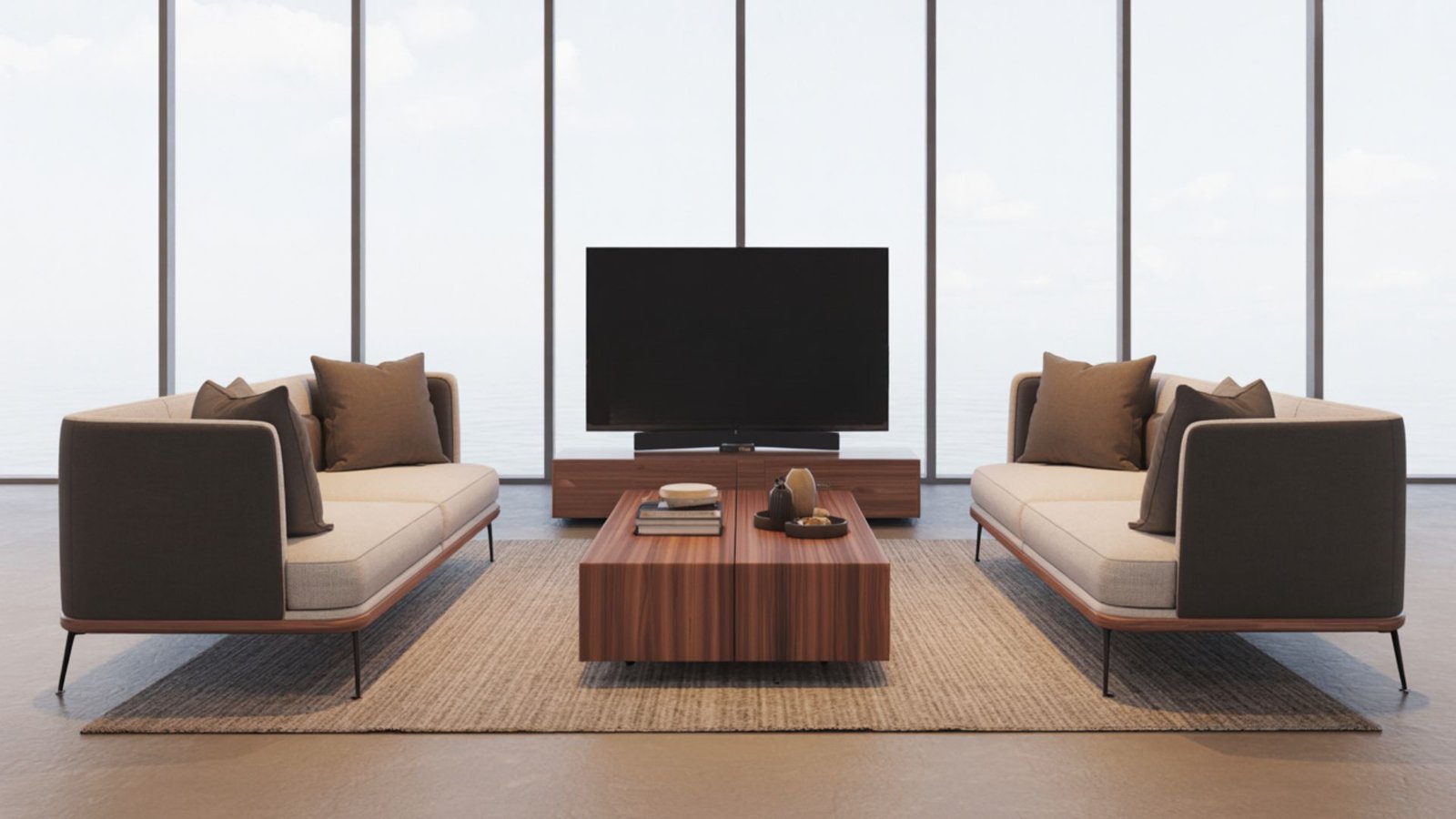
These tried-and-true arrangements work across different room sizes and lifestyles.
Side by Side and Facing Each Other Arrangements
The side by side arrangement places both couches parallel to each other, both facing the TV. It works best in rectangular rooms and gives everyone a clear view of the screen.
It’s simple and clean. Conversation can feel a bit distant though, so a coffee table in the center helps pull the space together.
The facing each other arrangement is the opposite approach. The two couches face each other with the TV on a side wall.
It feels cozy and makes conversation easy and natural. TV viewing isn’t the focus here, but if you host often, this layout works really well.
Hybrid Layouts and Floor Plan Ideas
A hybrid layout gives you two zones in one room. One couch faces the TV, the other sits at an angle for reading or relaxing. A rug under each zone defines the spaces nicely. It works great in larger or open-plan rooms.
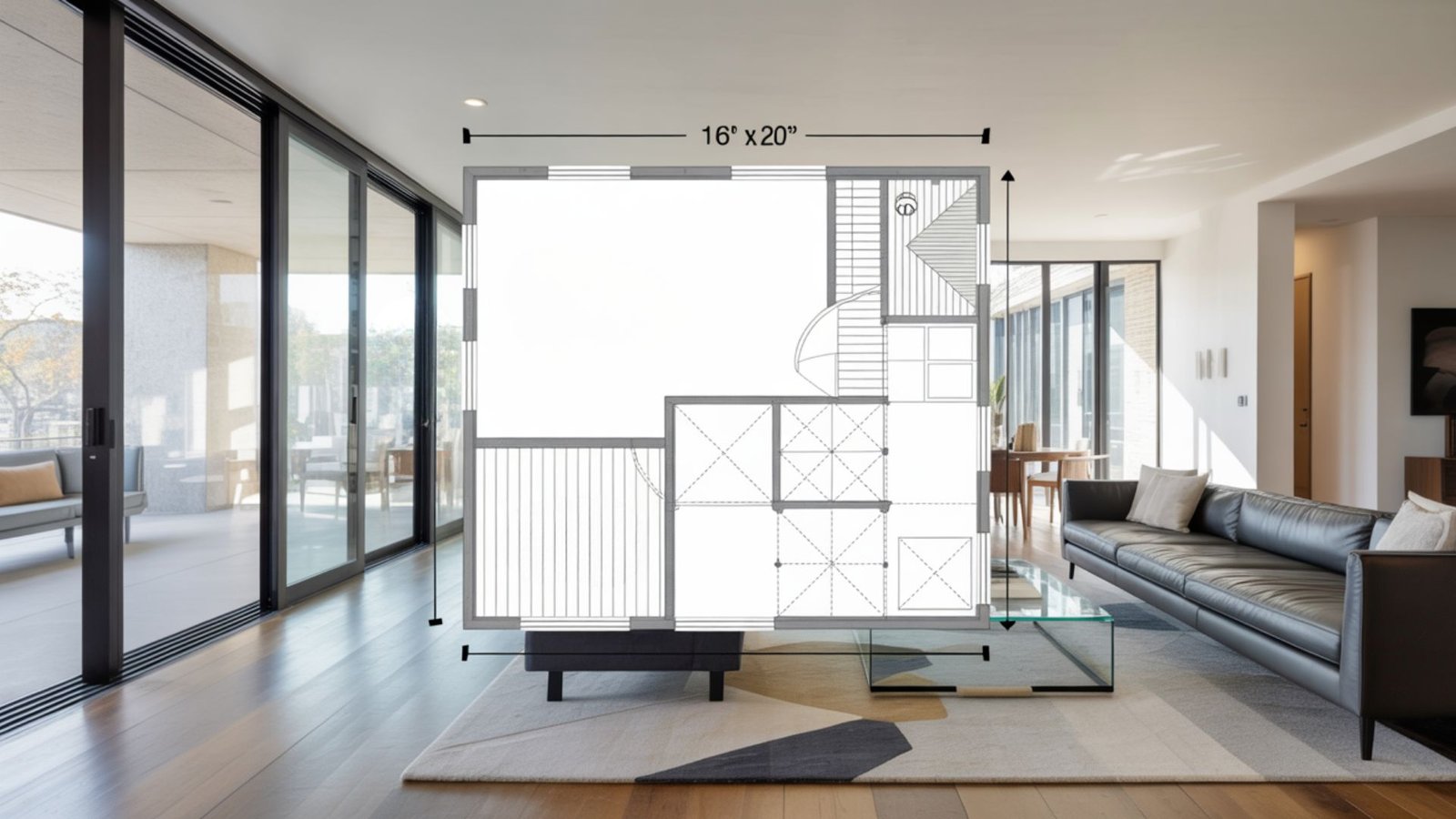
For a solid floor plan, center the TV wall with your main couch. Place the second couch at a 90-degree angle or across the room.
Put a coffee table between both couches to connect the seating areas. Always leave at least 30 inches of walking space. Sketching it out on paper before moving anything saves a lot of effort.
Creating a Cozy and Functional Seating Area
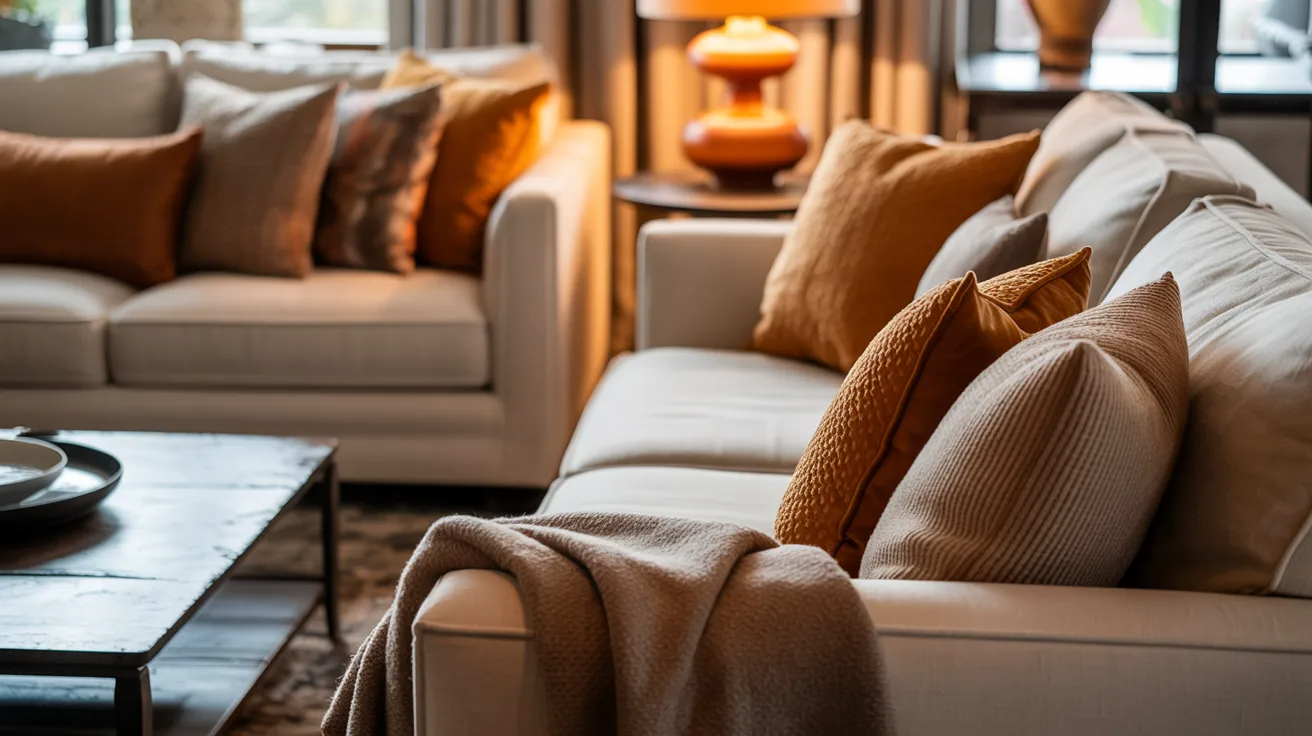
Small additions like tables and textures make a big difference in how a room feels.
Adding Coffee Tables and Side Tables
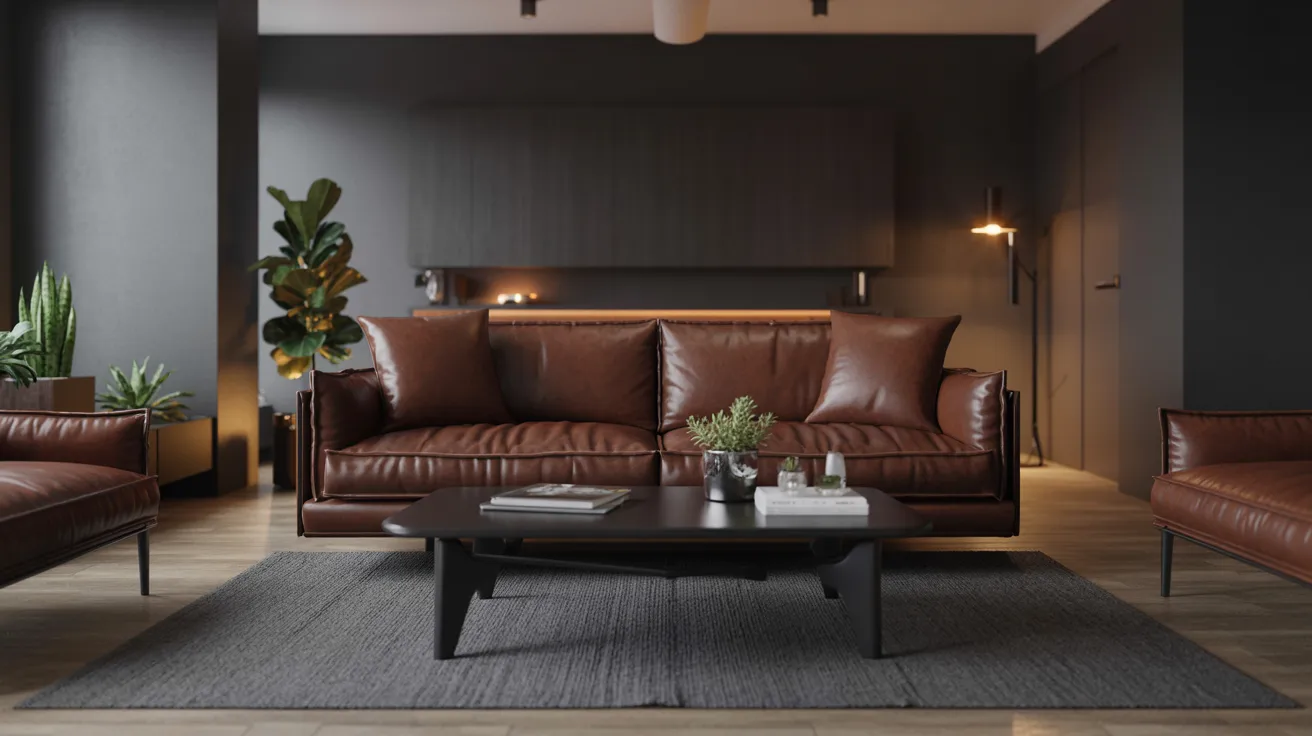
A coffee table anchors the whole seating zone. It gives both couches a shared focal point and pulls the layout together. Pick one that’s roughly the same height as your couch cushions for the most comfortable feel.
Side tables beside each couch add everyday convenience. Remotes, drinks, and books all have a place. For small rooms, a round coffee table is a smart choice. It reduces sharp corners and keeps the flow open.
Layering Textures and Accessories
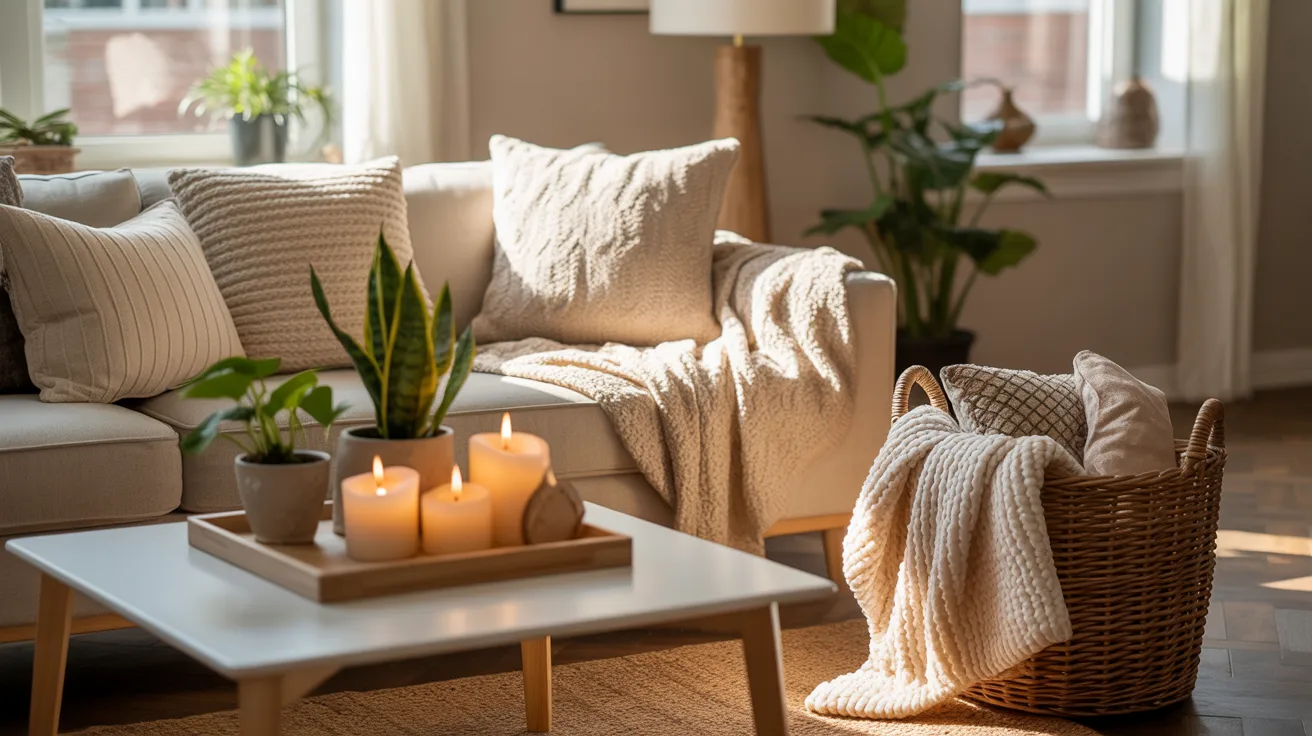
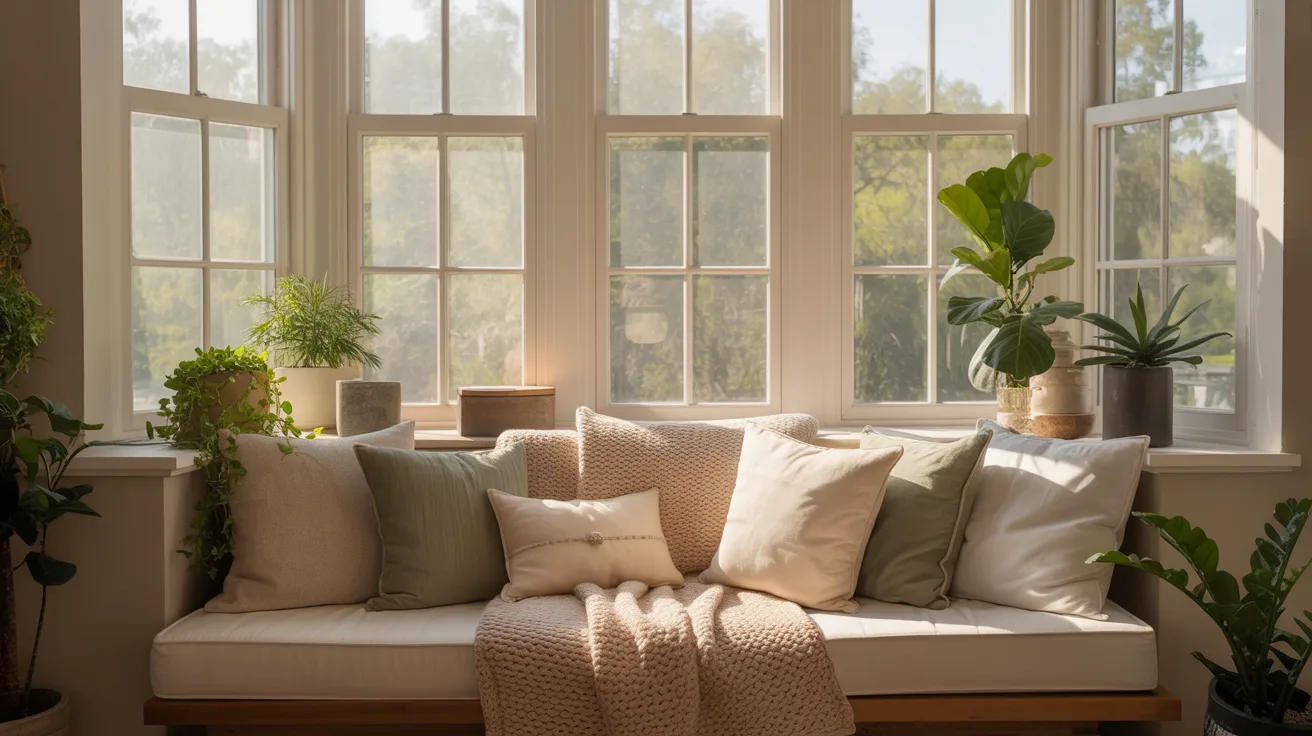
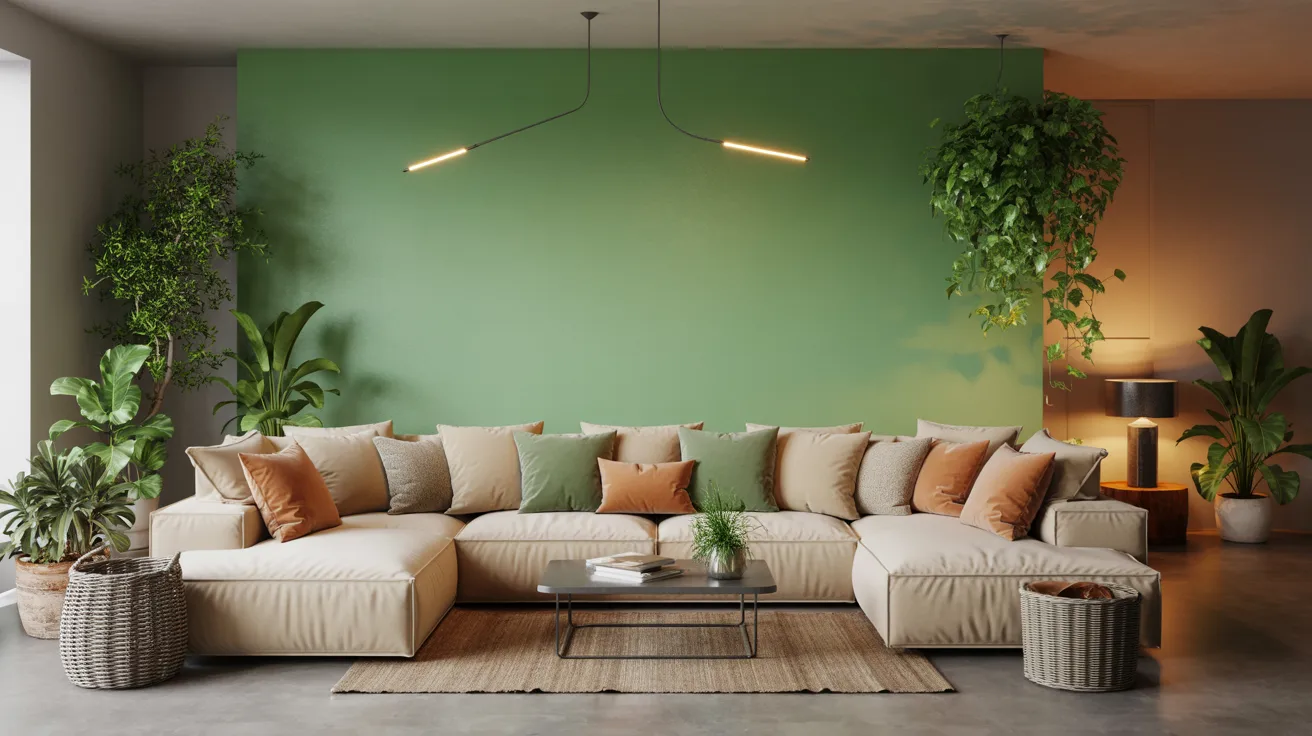
This is where the room gets its personality. Add throw pillows in 2 to 3 coordinating colors and mix textures like velvet, linen, and cotton. It adds depth without feeling overdone.
A rug placed under both couches visually ties the seating area together. It connects two separate pieces of furniture into one cohesive space.
Blankets draped over armrests add warmth, and a small plant in the corner brings the room to life. These little touches make a space feel genuinely lived-in rather than put together just for show.
Maximizing Space, Flow, and Flexibility
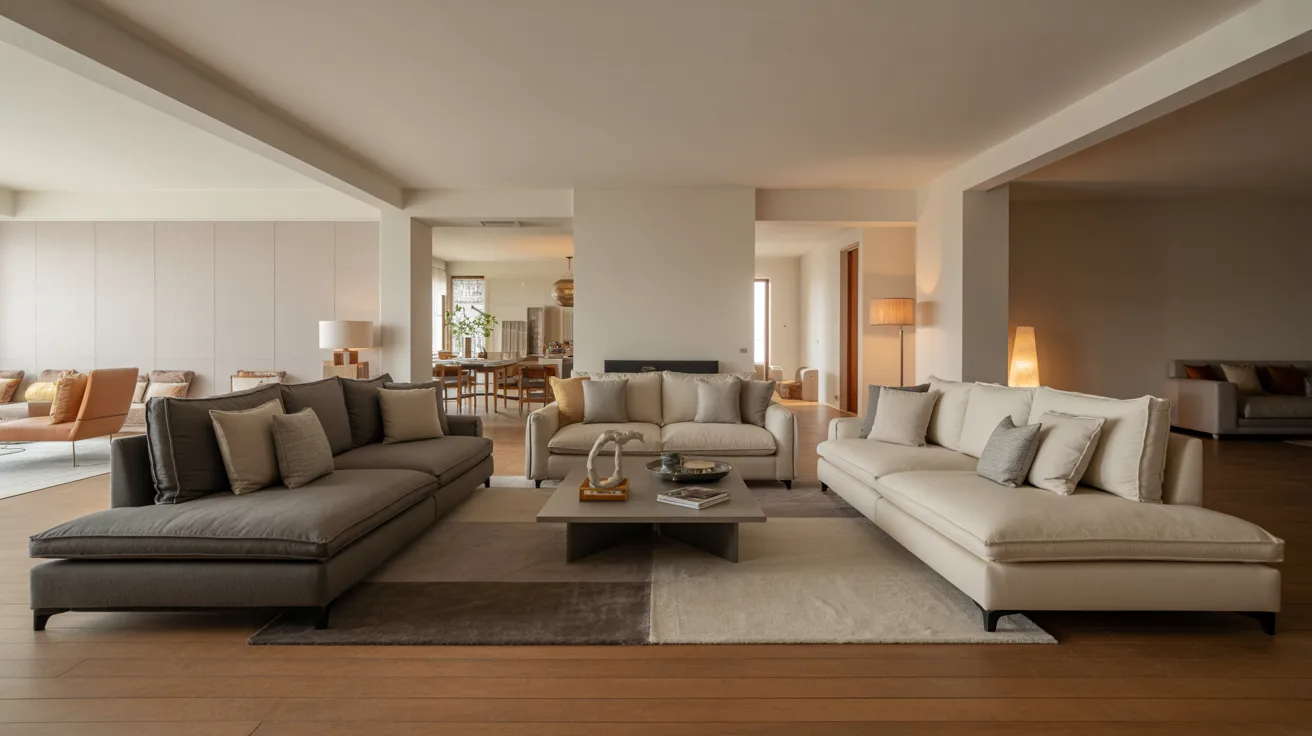
Smart furniture choices help even the smallest living rooms feel open and functional.
Traffic Flow and Walking Space
Always leave at least 30 inches between furniture and walls or pathways. This keeps movement easy and prevents the room from feeling cluttered.
If you find yourself squeezing past a couch to reach another room, the layout needs adjusting. Good flow matters just as much as good looks.
Modular or Slim Sofas for Small Spaces
Bulky couches overwhelm small rooms fast. Slim-profile sofas take up less visual and physical space. Modular sofas are even better since you can split or reconfigure them as needed.
If your room is under 12×14 feet, look for sofas with exposed legs. They keep the floor visible and make the space feel noticeably bigger.
Multi-Functional Furniture
An ottoman with storage works as a footrest, extra seating, and a place to store blankets all at once. A lift-top coffee table doubles as a work surface or casual dining spot.
Nesting tables are another great option. They tuck away when not needed and free up floor space. These smart swaps cut down on clutter without giving up any comfort.
Tips for Styling and Improving the Living Room
Lighting, decor, and color choices pull the whole room together with ease.
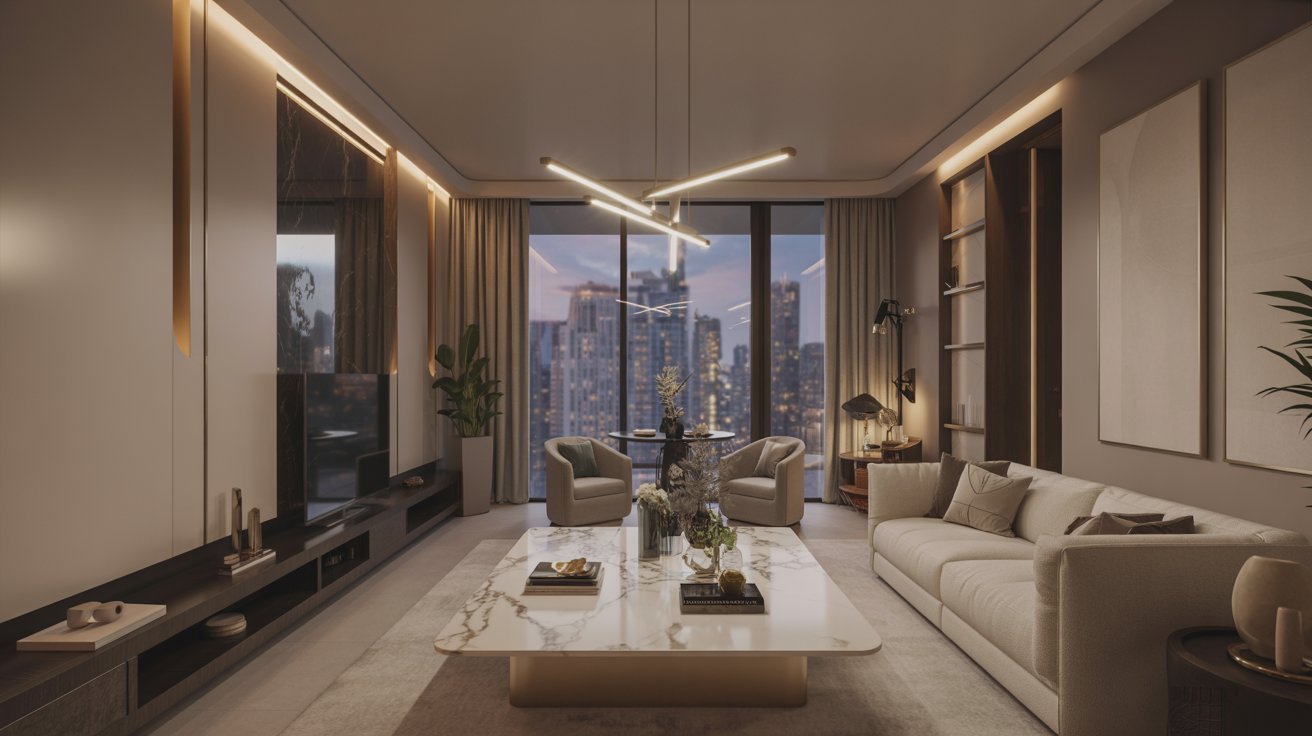
- Layer three types of lighting: overhead light for brightness, floor or table lamps for warmth, and dimmable options for movie nights.
- Place a large rug under both couches to create unity and define the seating zone.
- Add wall art above the TV or behind a sofa to bring character and depth to the room.
- Bring in at least one small plant. It adds freshness, softens hard lines, and introduces natural color.
- Stick to a 3-color palette across both couches, pillows, and decor so everything feels connected.
- Mix textures like cotton, linen, and knit across throws, rugs, and cushions to add warmth without adding clutter.
- Keep both couches in complementary tones so they feel like a matched set rather than two random pieces.
Conclusion
Arranging 2 couches in a living room with TV comes down to knowing how you use your space. I’ve found that once I stopped chasing a “perfect” layout and started thinking about how I actually live in the room, everything clicked.
Think about your daily routines. Host often? Face the couches toward each other. Big on movie nights? Prioritize TV sightlines. There’s no single right answer.
Try a layout, live in it for a week, then adjust. Drop a comment below and tell me which setup you’re trying. I’d love to hear how it goes.
Frequently Asked Questions
How far apart should 2 couches be in a living room?
Ideally, leave 3 to 4 feet between two facing couches. This keeps conversation comfortable and allows easy movement.
Can 2 couches face the TV at the same time?
Yes. Place them side by side or at slight angles so both have a clear, comfortable view of the screen.
What size rug works best with 2 couches?
A large rug at least 8×10 feet works well. It should sit under the front legs of both couches to visually connect them.
How do I arrange 2 couches in a small living room?
Use slim or modular sofas, keep one couch against a wall, and leave clear walking paths. An L-shaped setup can save significant space.
Should 2 couches match in a living room?
They don’t have to match exactly. Complementary colors or similar styles work well. Tie them together with matching pillows or a shared rug.