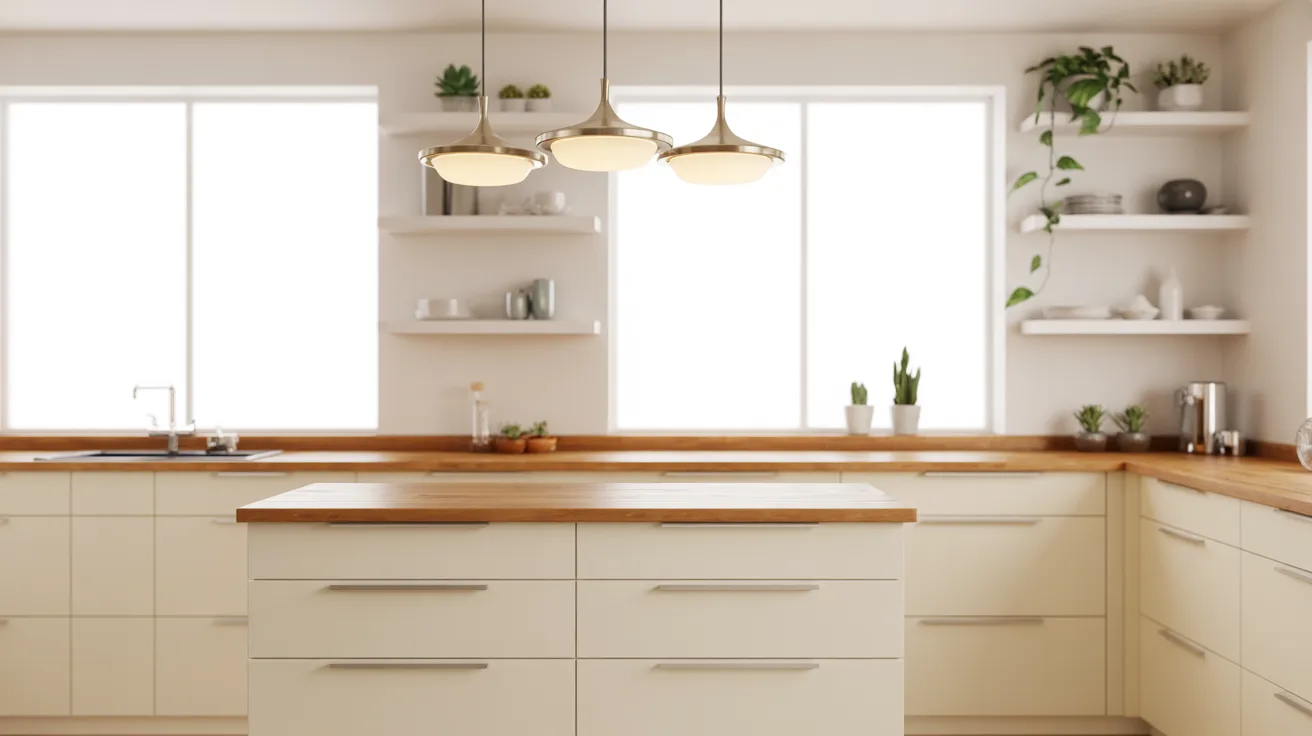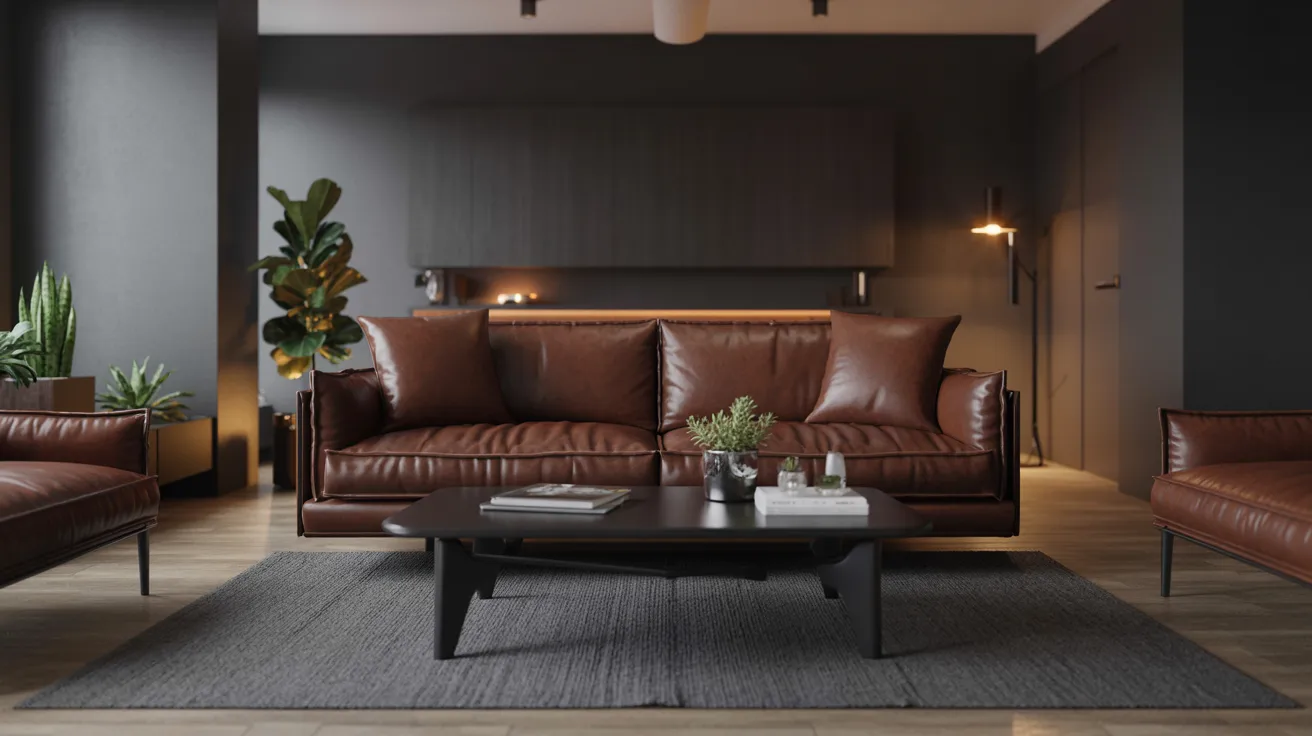
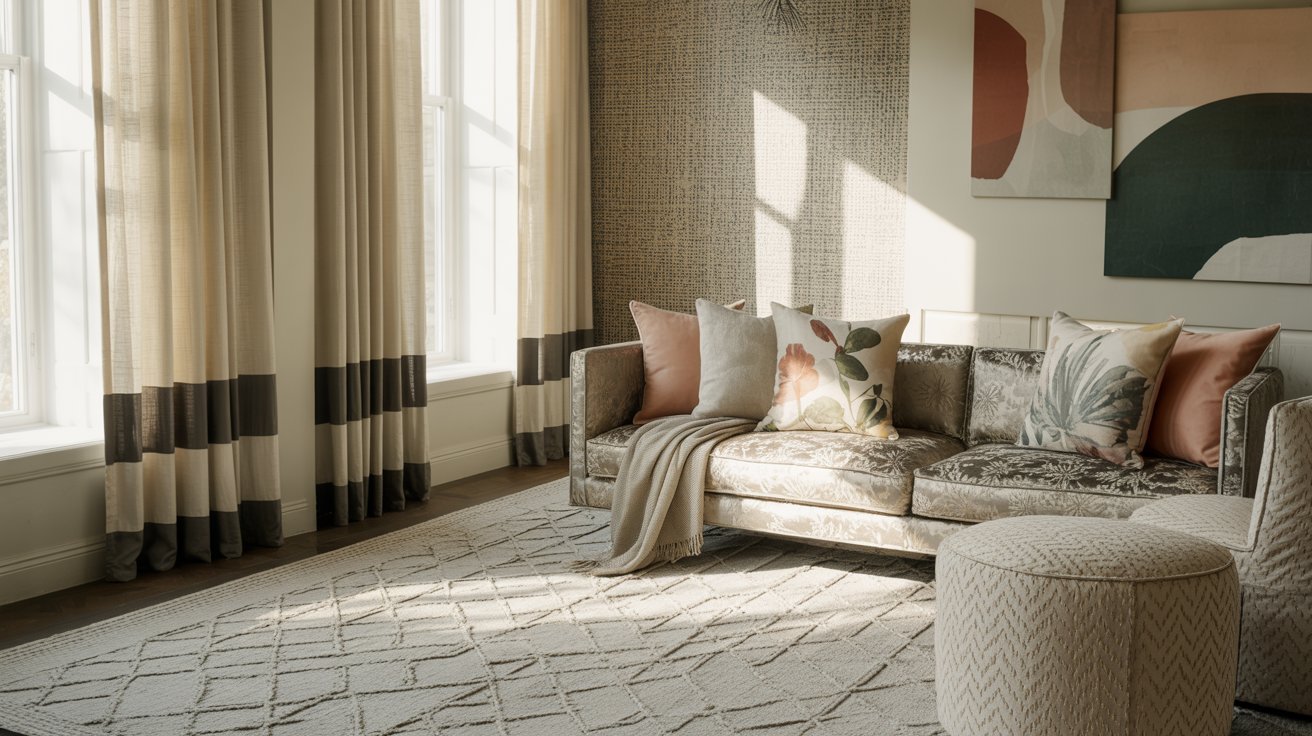
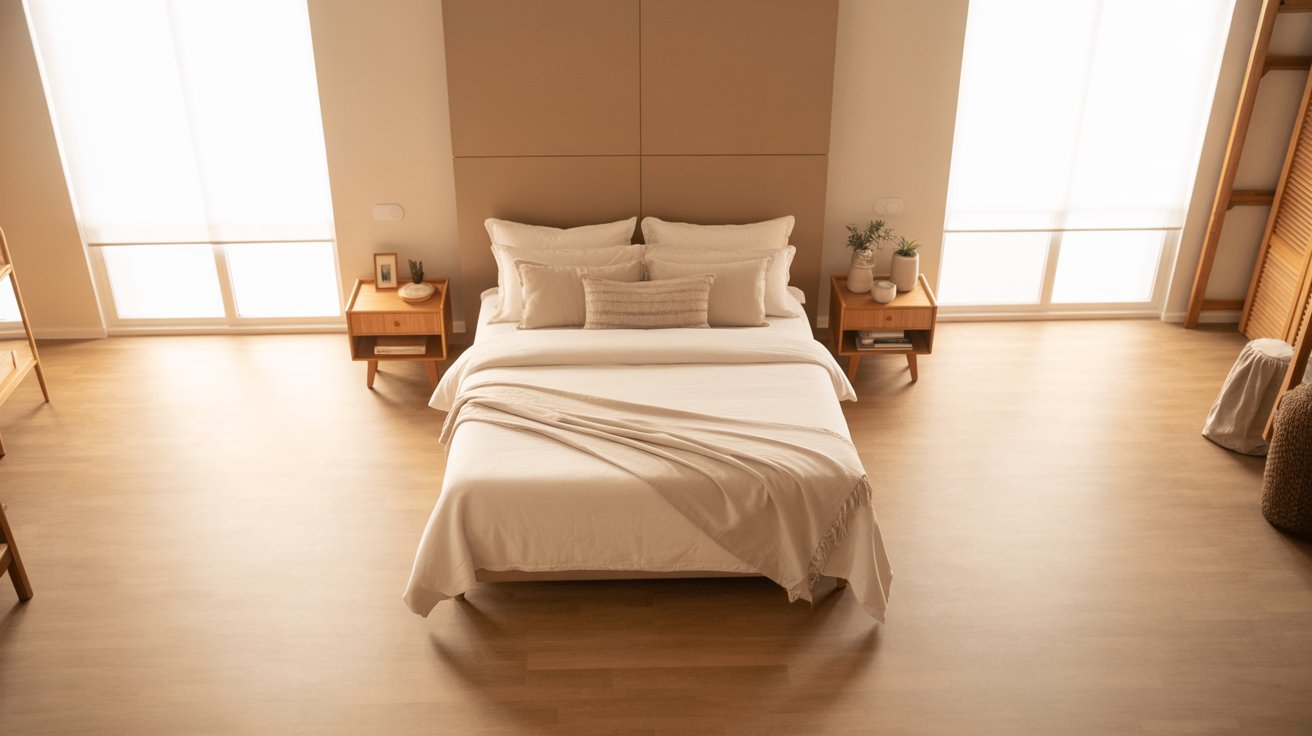
A small living room with sliding glass door arrangement can feel tricky at first. I’ve been there, staring at a compact space wondering where to even start. But here’s the thing: sliding glass doors are actually an advantage. They bring in natural light and connect your room to the outdoors.
In this article, I’ll share 11 practical arrangement tips to help your small living room feel bigger, brighter, and more functional.
These ideas are simple, tested, and easy to apply without a full renovation. Trust me, a few smart changes can make a real difference.
Key Principles for Small Living Rooms with Sliding Glass Doors
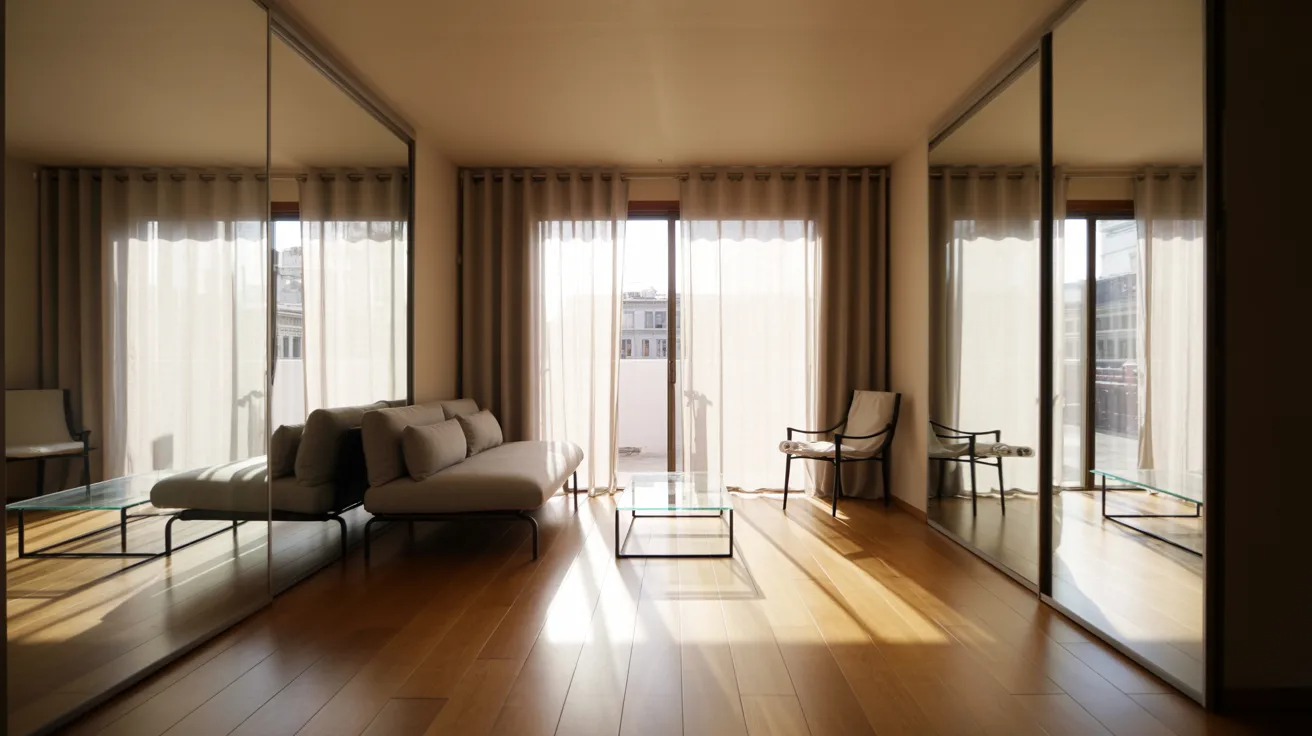
Before moving any furniture, get the basics right. Always leave a clear path to the sliding doors. A 30 to 36 inch walkway keeps the room easy to move through and prevents the space from feeling cramped or blocked.
Next, think about scale. Low-profile furniture keeps sightlines open and makes ceilings feel taller. Choosing pieces that fit the room rather than fill it makes a bigger difference than most people expect.
Then let light lead the way. Mirrors, sheer curtains, and reflective surfaces help spread natural light from the sliding doors across the whole room. Pair that with built-in shelves or wall-mounted units and you get a space that feels functional, open, and well put together without a single extra square foot.
11 Arrangement Ideas for Small Living Rooms with Sliding Glass Doors
These 11 ideas cover seating, storage, lighting, and layout to help you get the most from your space.
1. Modular and Low-Profile Seating
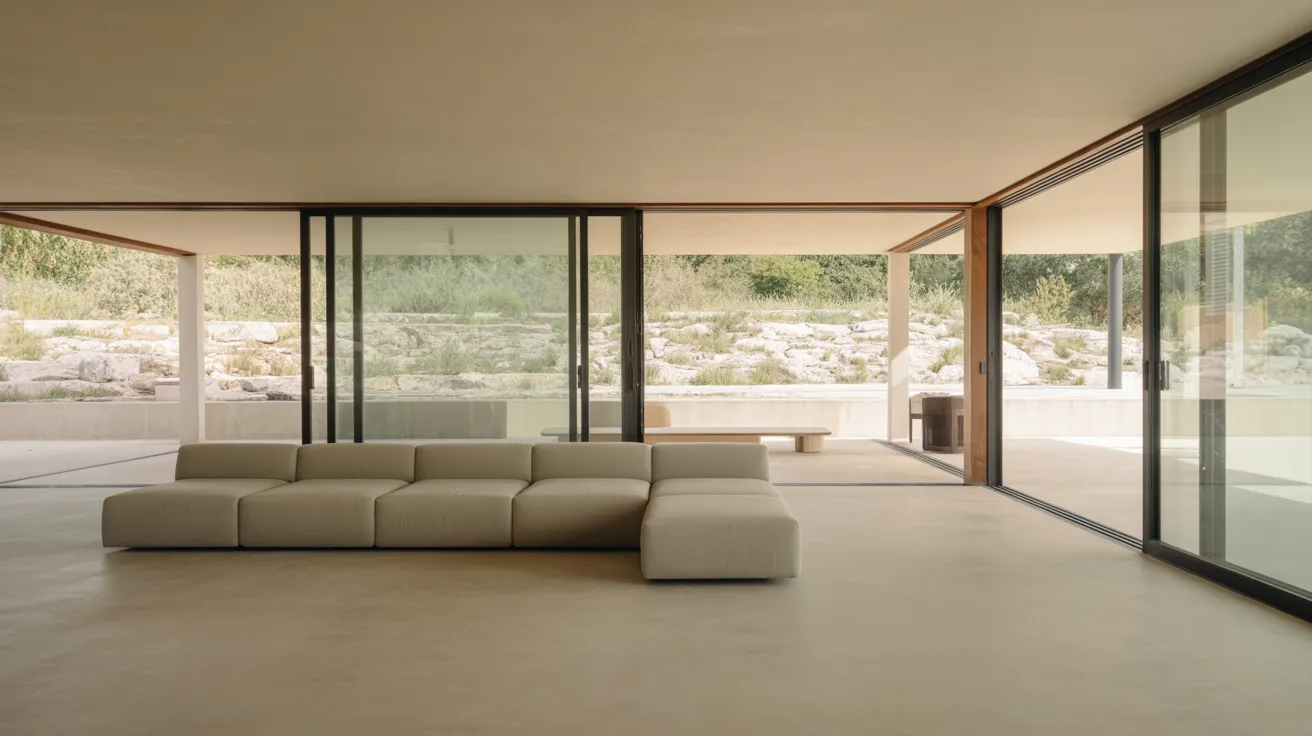
Choose sofas with clean lines and low backs. Armless modular pieces are flexible and easy to rearrange. They keep the view through the sliding door clear and make the room feel less crowded.
2. Built-In Benches or Window Seats
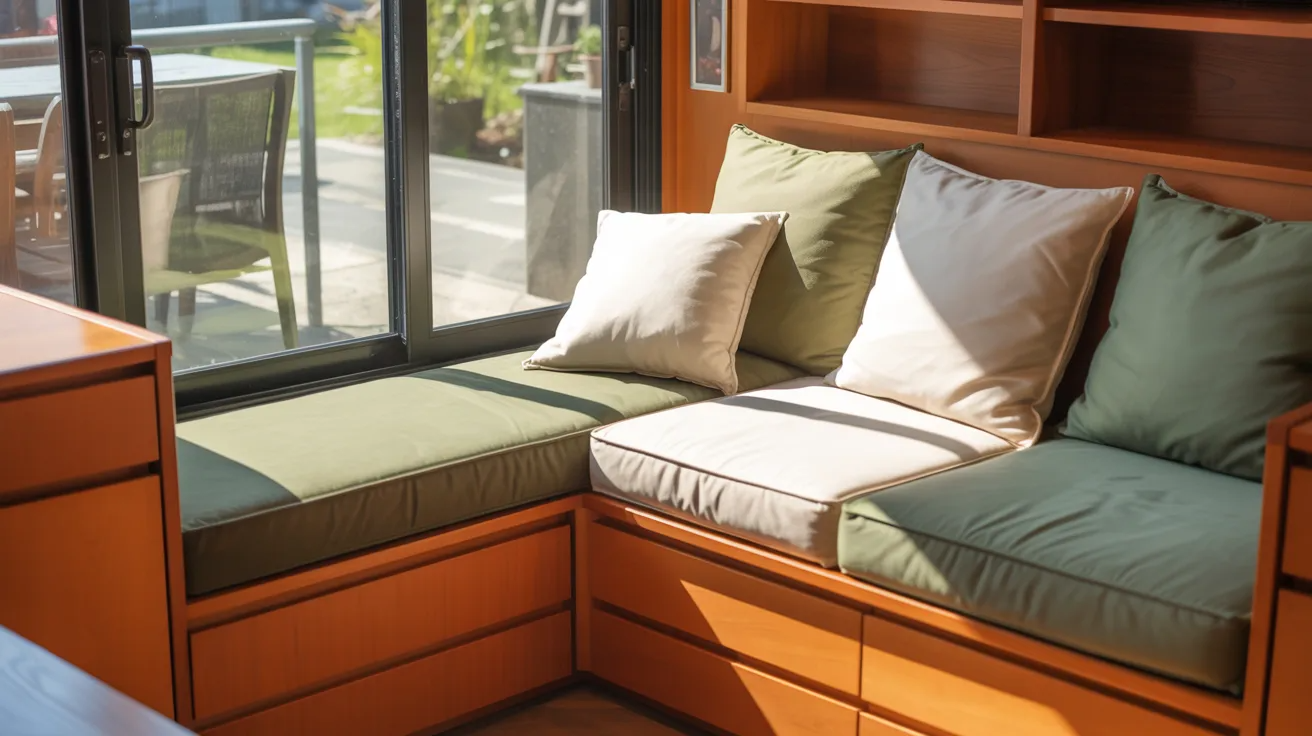
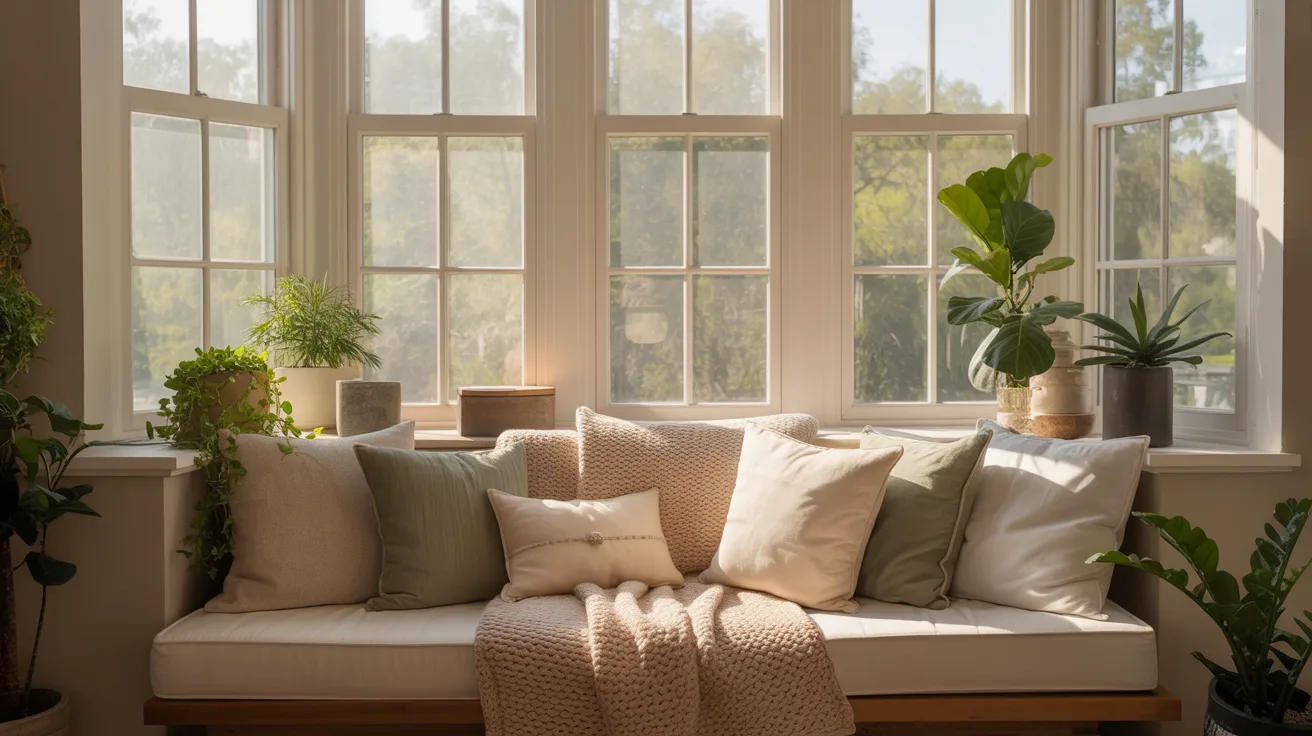
A built-in bench along the wall near the sliding door does two jobs at once. It gives you a seating spot and hidden storage underneath. It also anchors the space visually without blocking the door.
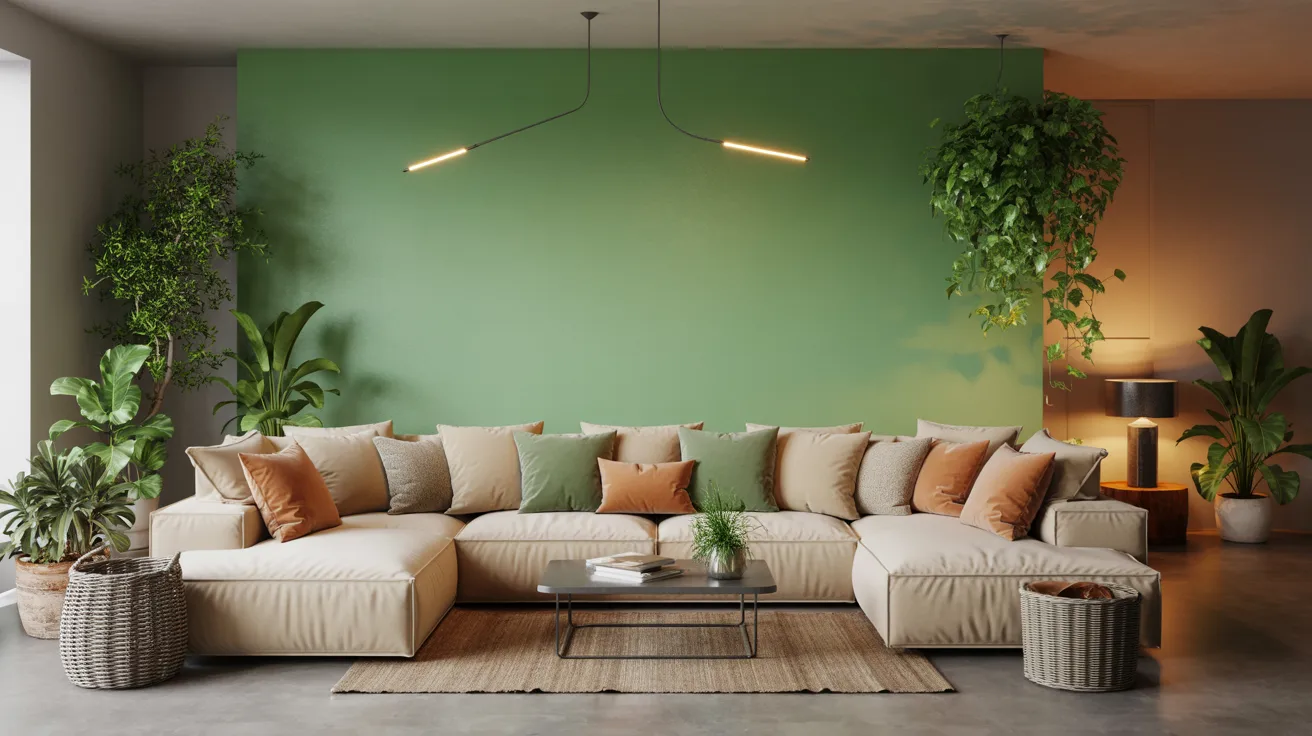
3. L-Shaped or Corner Seating Layouts
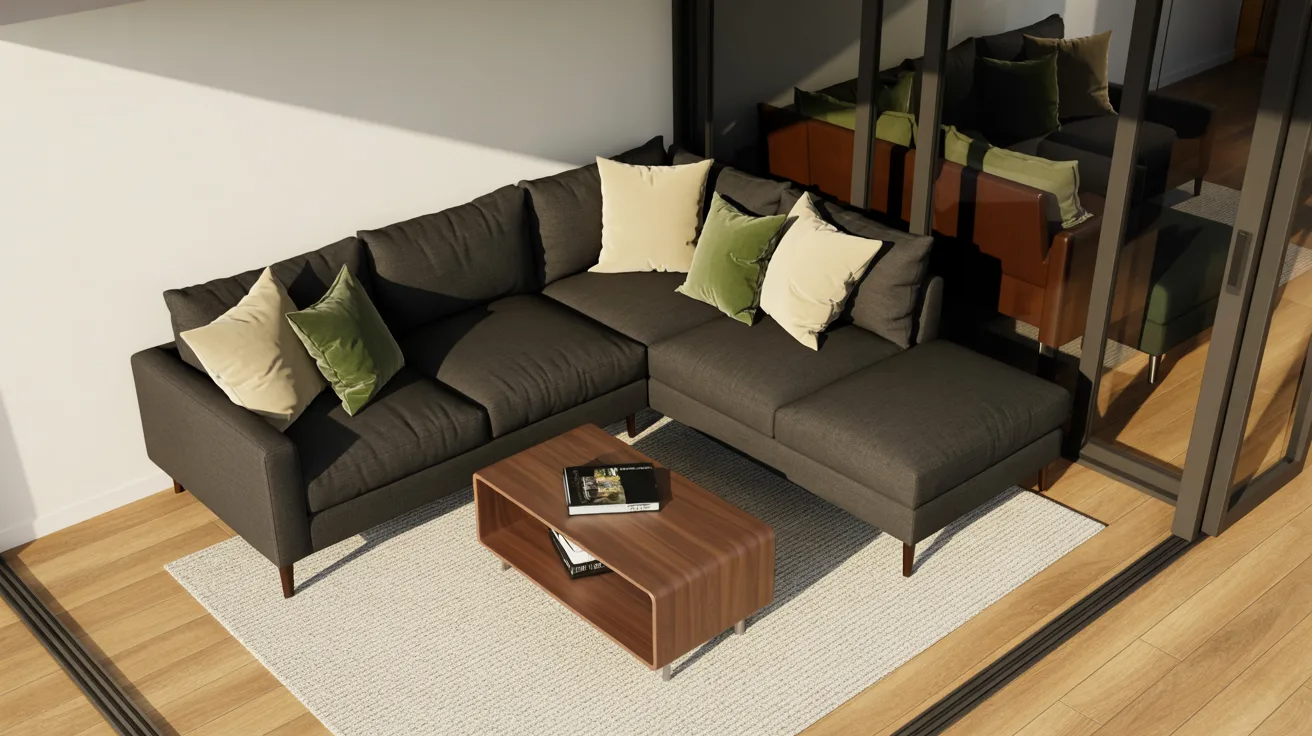
An L-shaped sofa or corner seating setup defines the lounge area clearly. It keeps traffic paths open and away from the sliding door. This layout works especially well in square-shaped rooms.
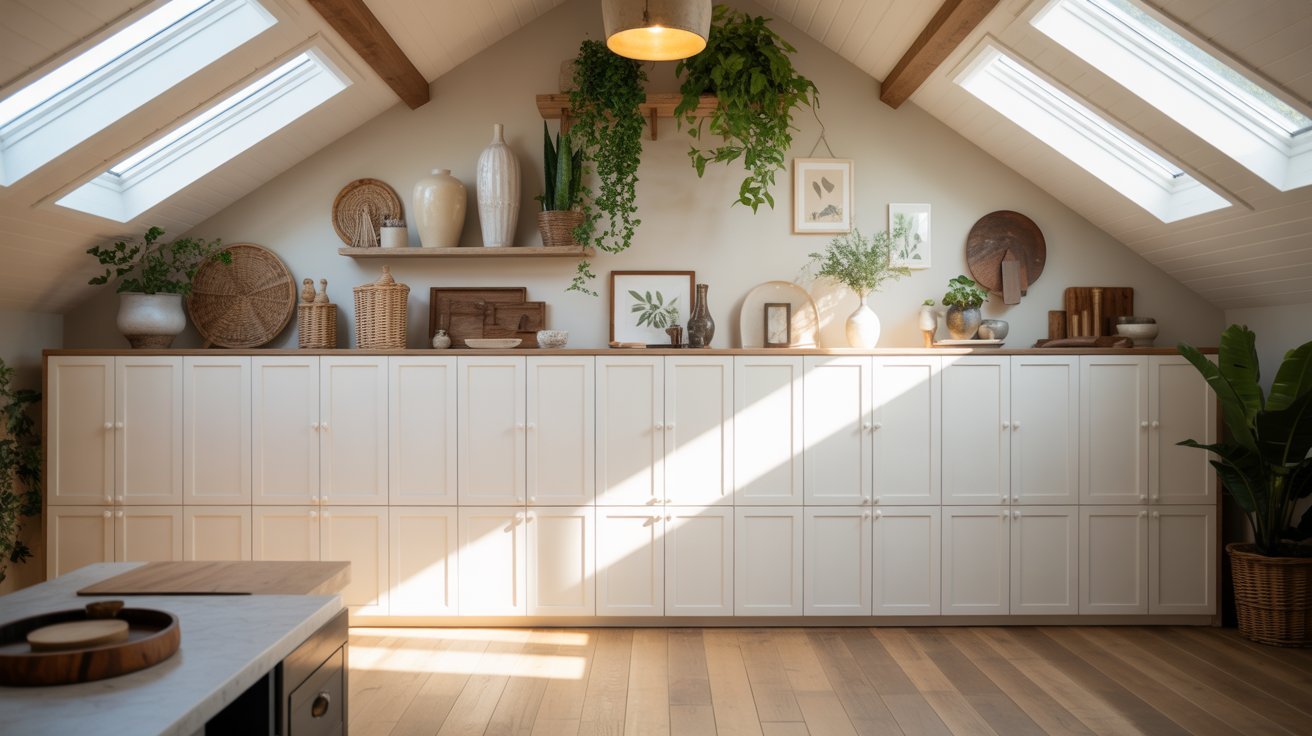
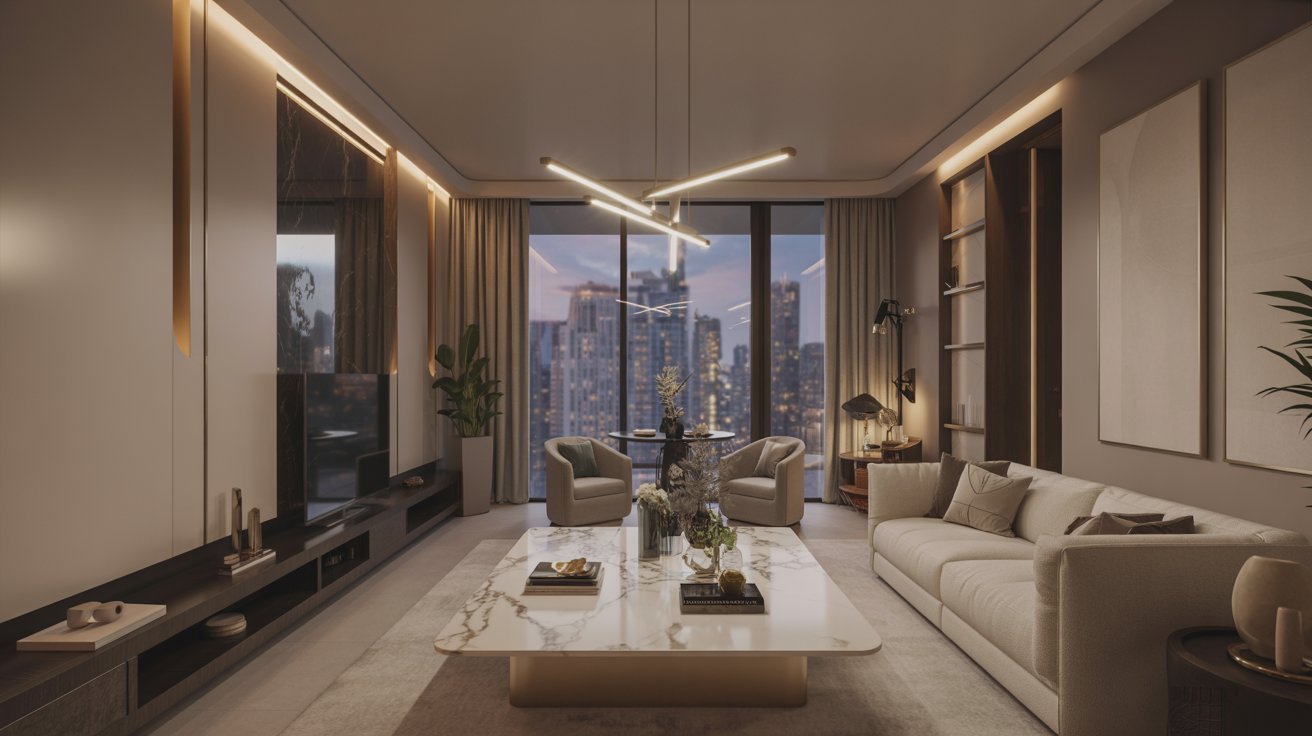
4. Floating Media Units and Wall-Mounted Shelves
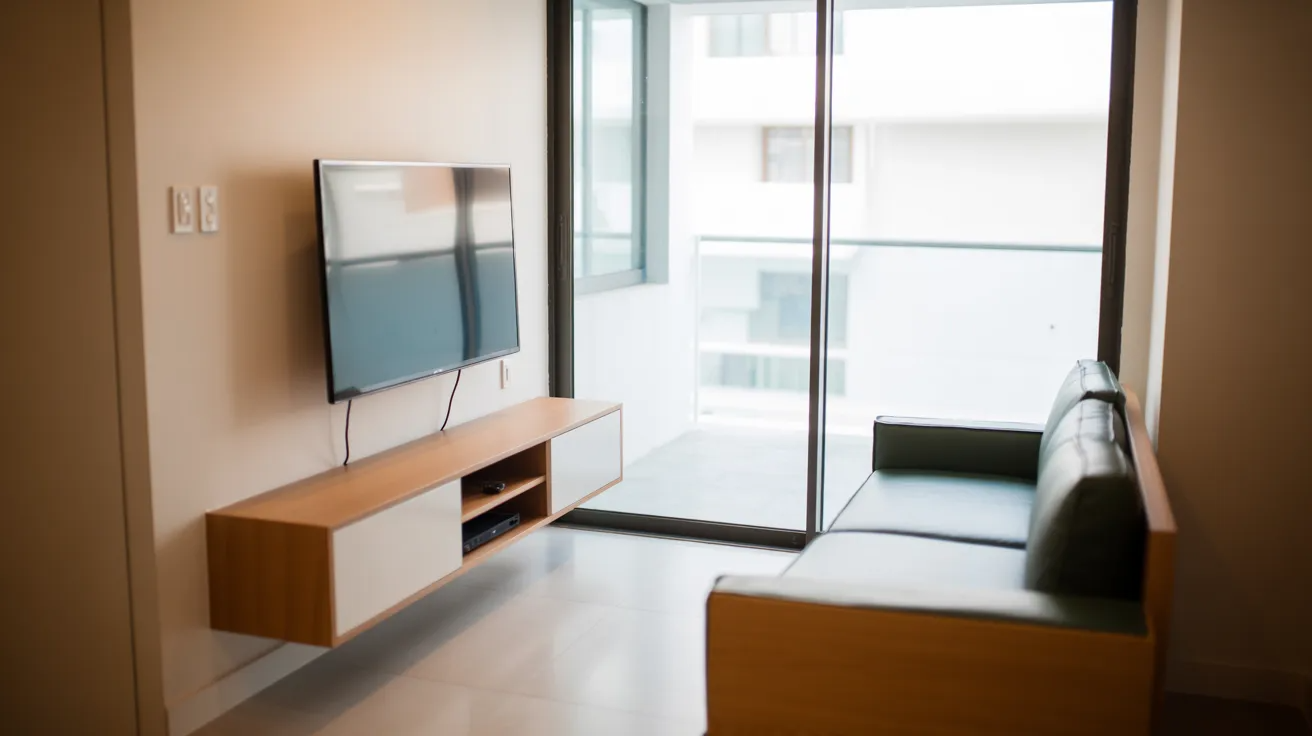
Mount your TV and shelves on the wall instead of using bulky furniture. This frees up floor space and keeps the room looking clean. Less furniture on the floor always makes a small room feel bigger.
5. Slim Console and Side Tables
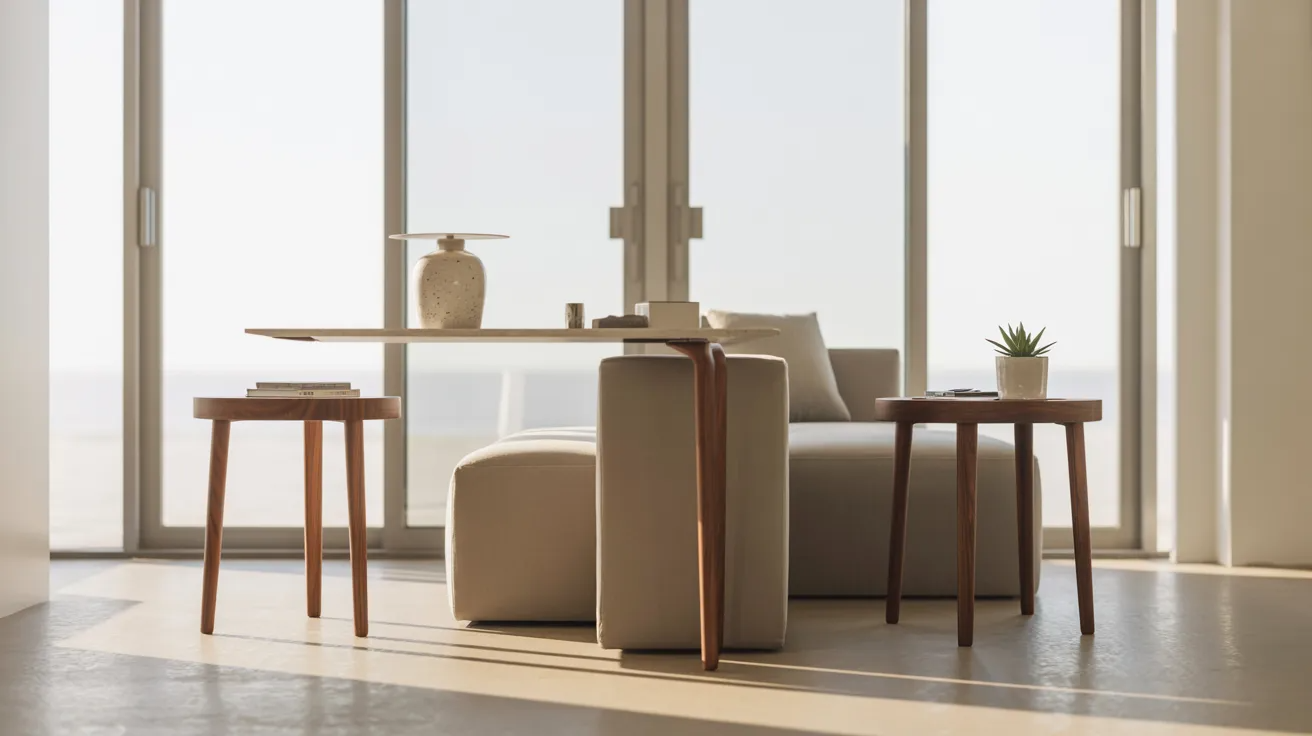
Place a slim console table near the sliding door for keys, plants, or a lamp. It adds function without blocking the path. Narrow side tables next to seating do the same job without crowding the room.
6. Layered Window Treatments
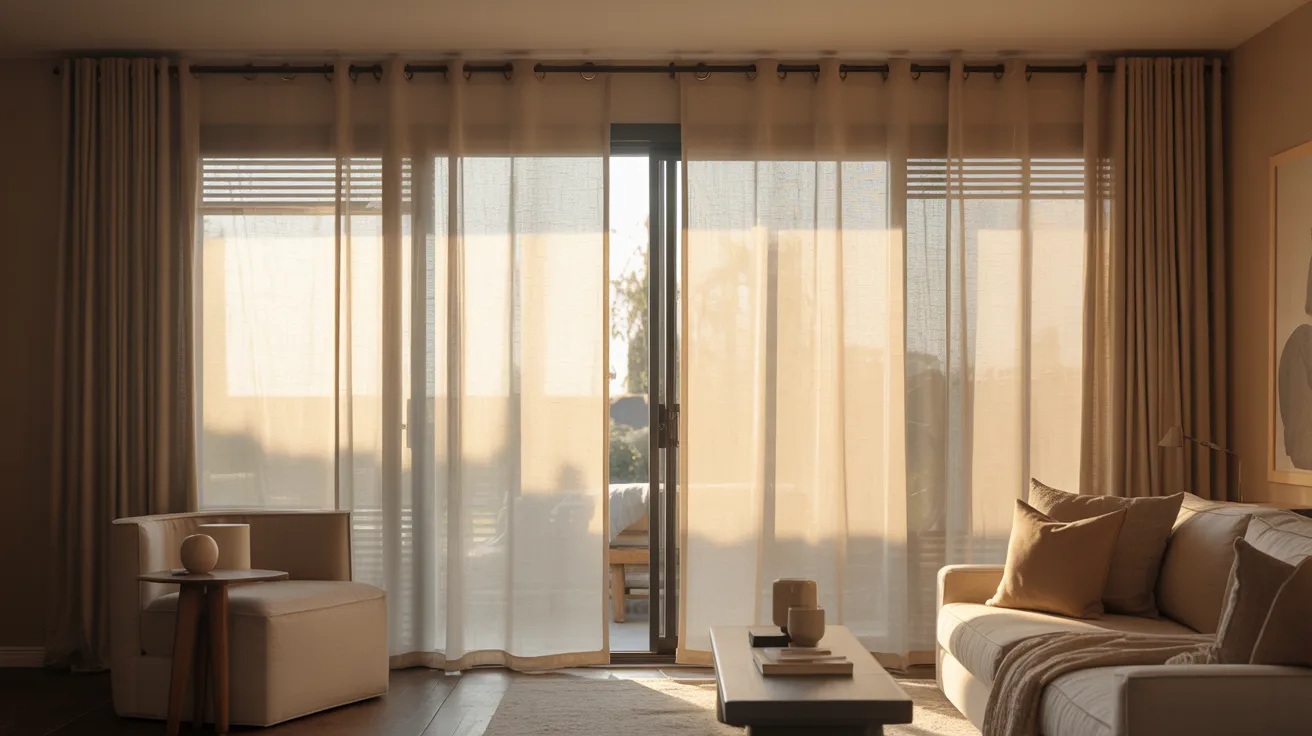
Use sheer curtains during the day for soft, diffused light. Add roller shades or frosted film for privacy at night. Layering treatments lets you control light and privacy without giving up one for the other.
7. Mirrors to Reflect Light
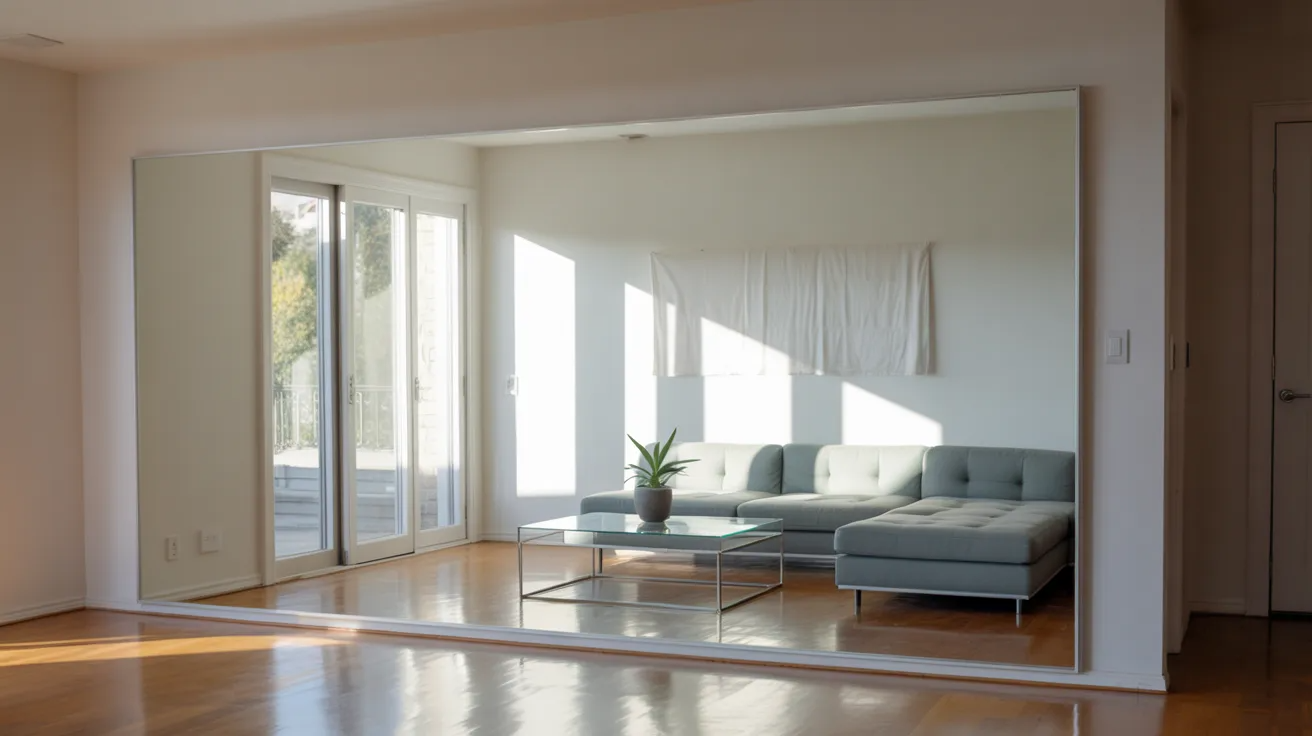
Hang a large mirror on the wall opposite the sliding door. It bounces natural light around the room and makes the space feel twice as large. Even a small mirror near the door helps.
8. Warm Wood Tones and Textures
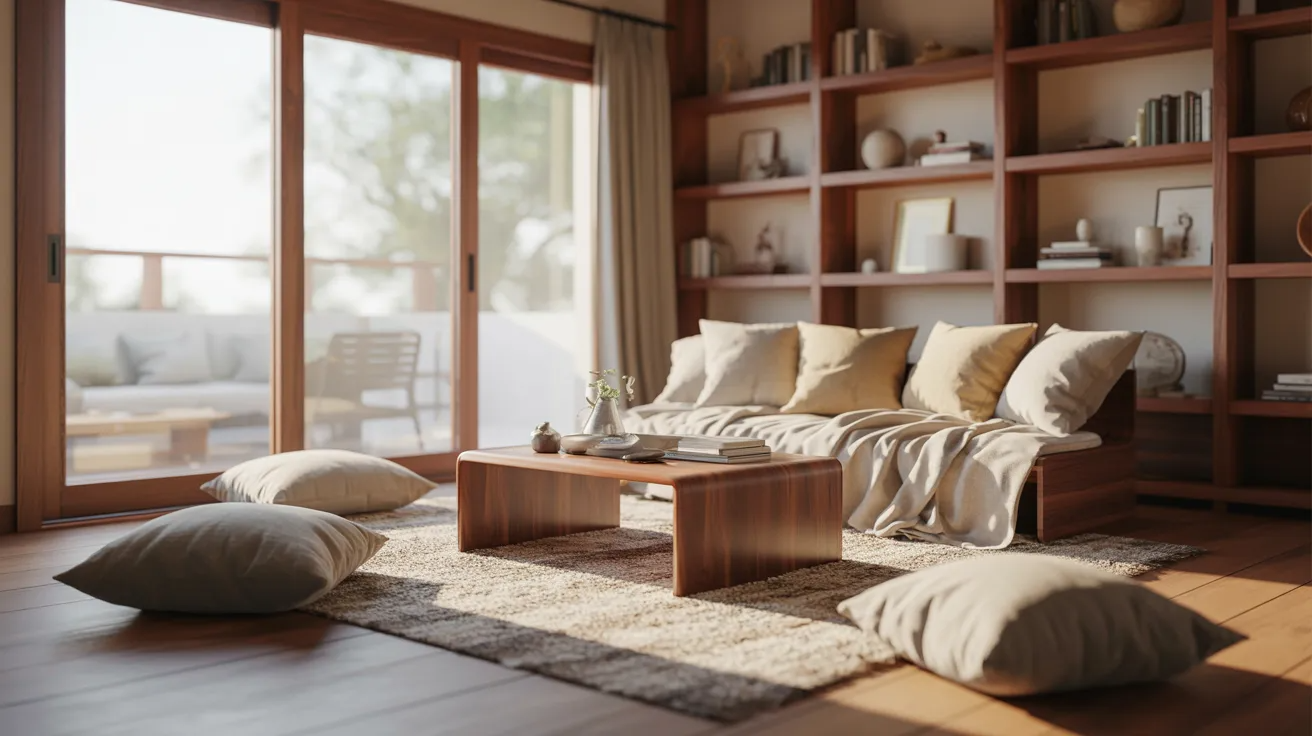
Bring in wood through a slim console, a small shelf, or a wooden coffee table. Add a rug and a few cushions for warmth. These small touches make the room feel cozy without adding visual clutter.
9. Multi-Functional Furniture
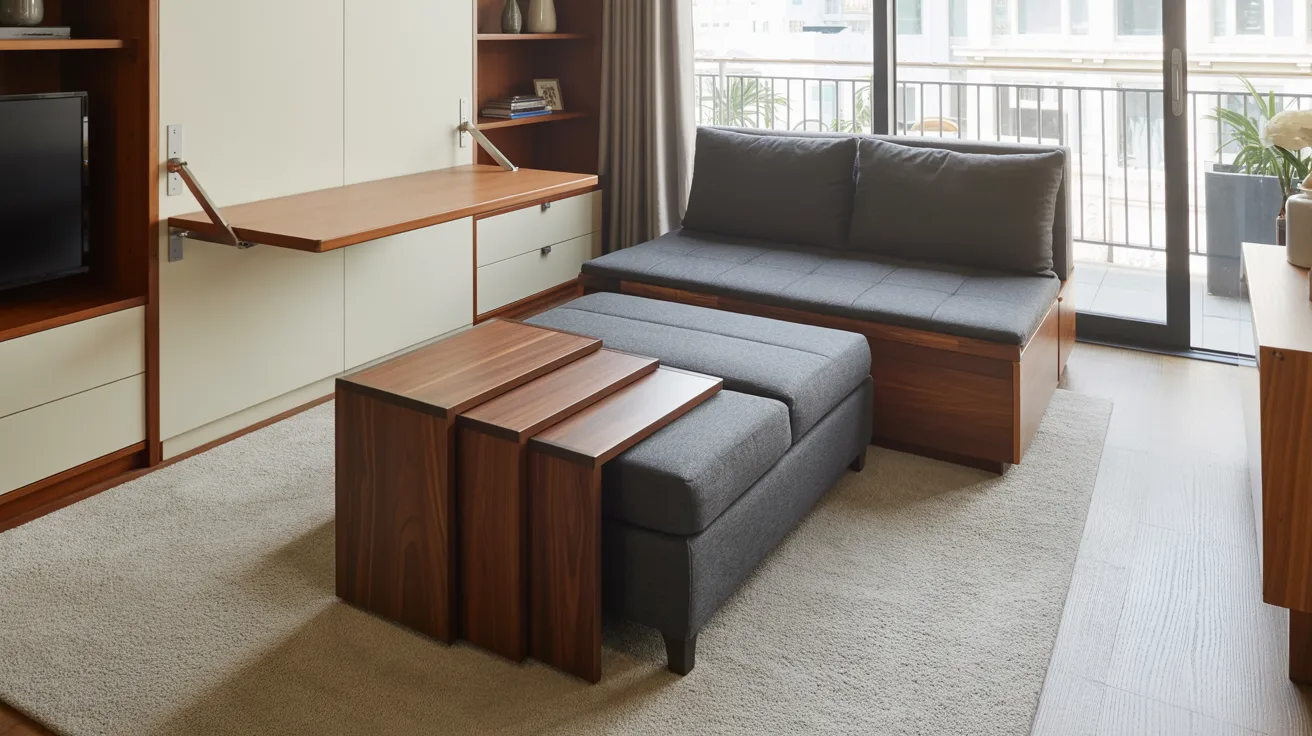
A storage ottoman can act as a coffee table, extra seating, and hidden storage all at once. Foldable tables and nesting pieces tuck away when not in use. Every piece should earn its spot in a small room.
10. Floor Space Planning
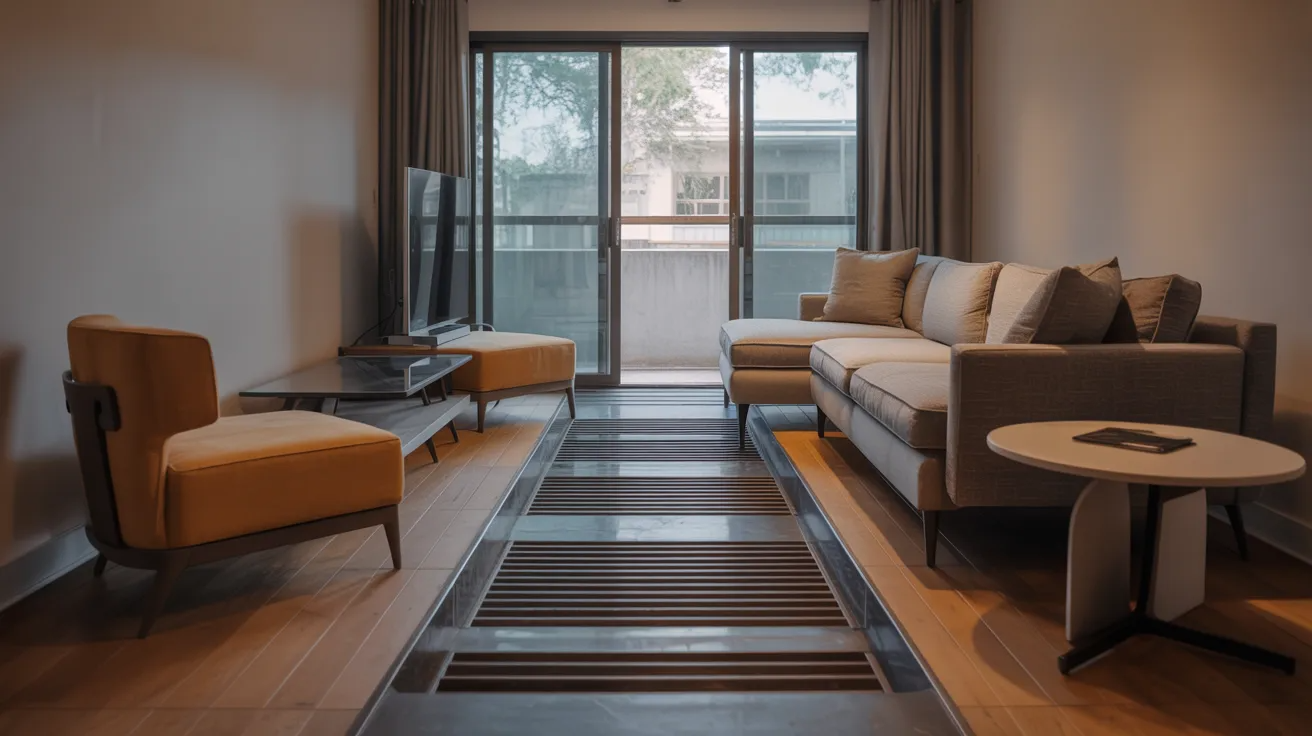
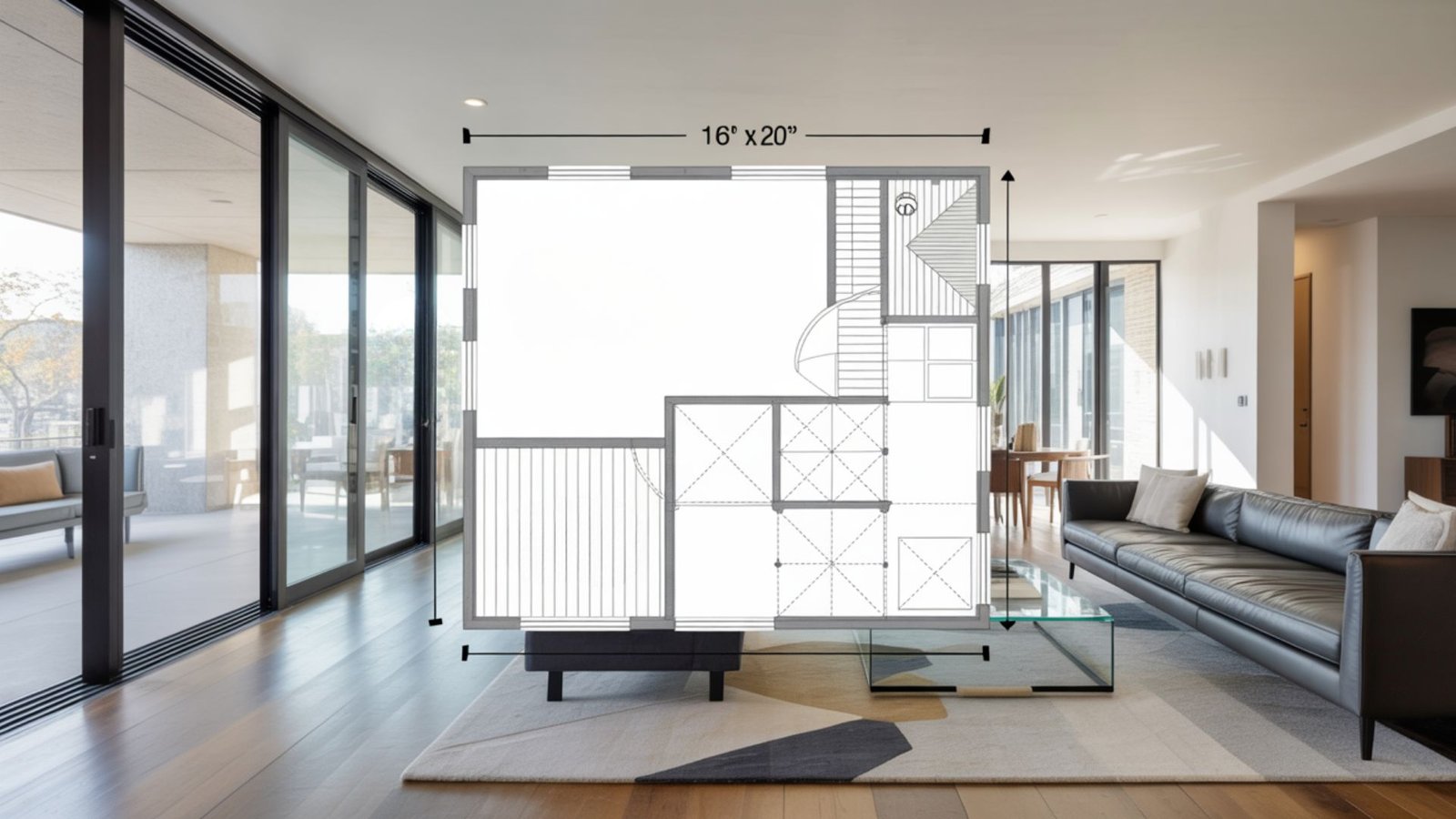
Before moving anything, map out the layout on paper or with painter’s tape on the floor. Mark the door swing and walkway zones clearly. This saves time and prevents you from buying furniture that doesn’t fit.
11. Experiment with 3D Layouts
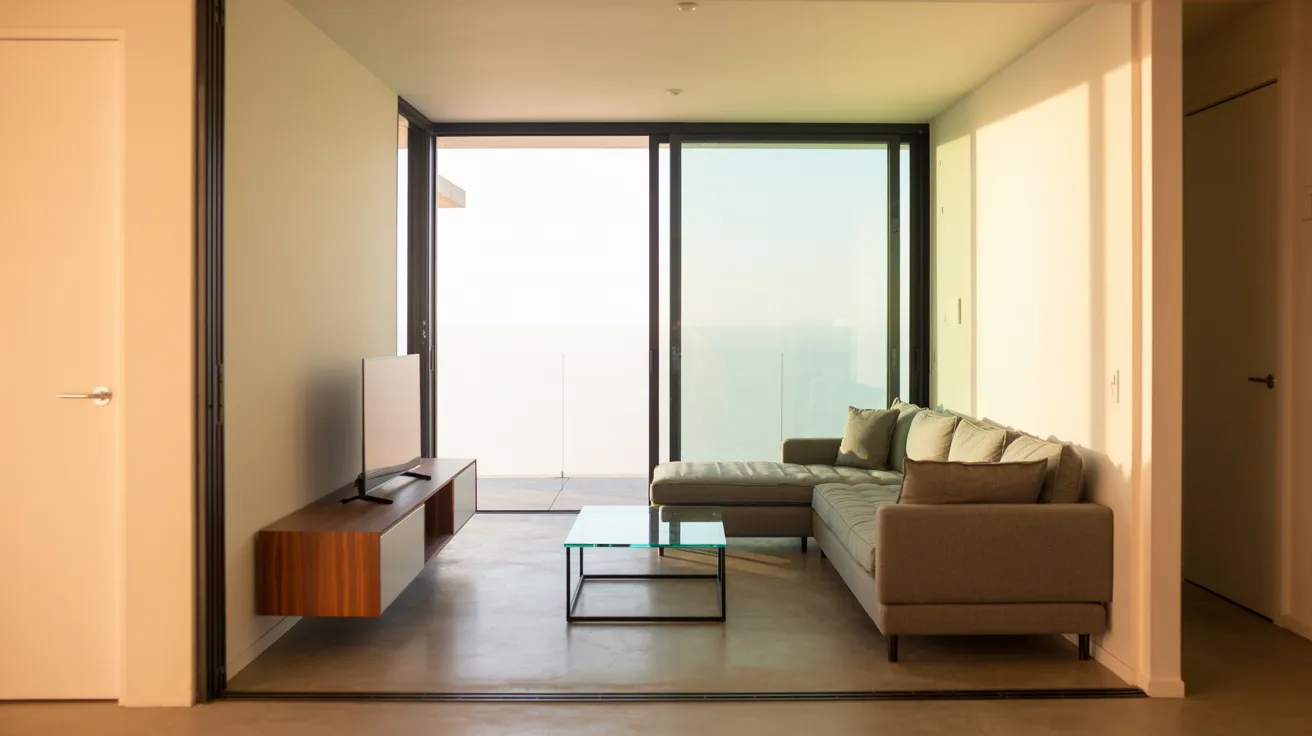
Use a free 3D room planner app to test different layouts before committing. You can check circulation, scale, and how the room feels from different angles. It’s a simple step that prevents expensive mistakes.
Upgrading Style and Functionality
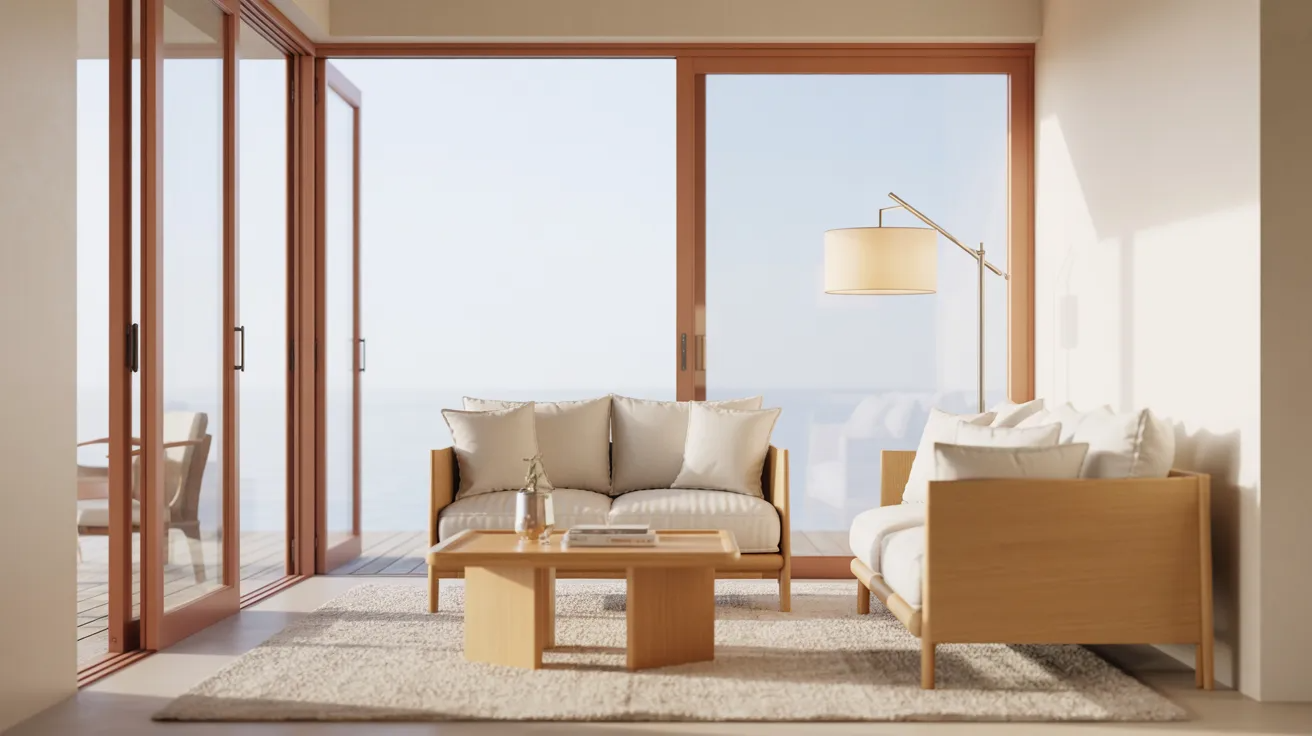
Smart finishes, layered textures, and small decor details turn a functional layout into a room that actually feels like home.
Choose Finishes and Define Zones
Once the layout is set, focus on making the room feel polished. Choose finishes that work with natural light. Light wood tones, soft whites, and warm neutrals reflect light well and keep the room feeling airy.
Then define zones without using walls or dividers. A floor lamp near the seating area and a pendant light closer to the sliding door create two distinct spots that feel intentional and separate without closing the room off.
Layer Textures and Add Small Decor
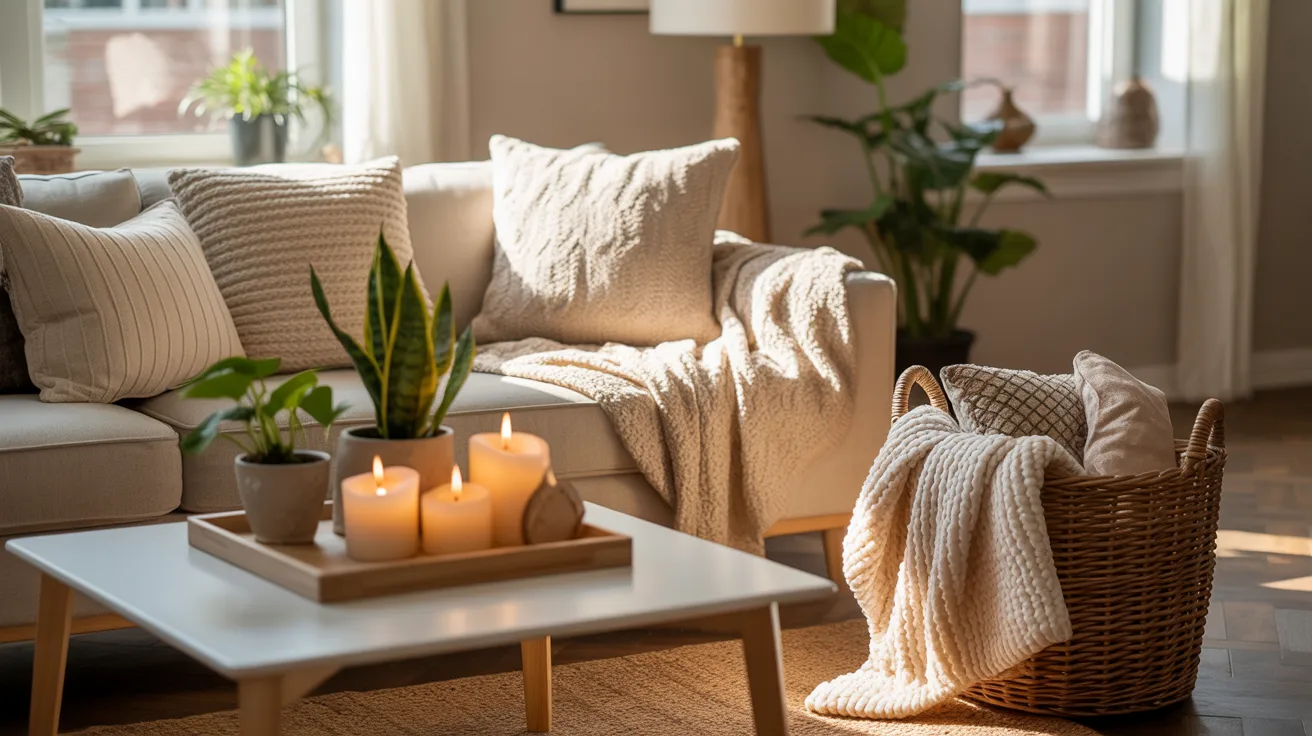
Layering textures adds warmth without adding clutter. A knit throw, a woven rug, and linen cushions bring depth to the room while keeping things calm and connected. Stick to colors in the same family so nothing feels out of place.
Then finish with compact decor items like a small plant, a slim book shelf, or a candle tray. These small details make the room feel complete without taking over the space.
Practical Tips Before You Buy
A little planning before shopping saves money and keeps your room looking its best long term.
- Avoid placing the TV directly opposite the sliding door to prevent glare
- Choose furniture with UV-protective finishes if it sits close to the glass
- Layer a sheer curtain with a blackout or thermal shade for full light and privacy control
- Pick lightweight, movable pieces so the layout stays flexible over time
- Skip the anti-glare screen if you can simply angle the TV toward a side wall instead
- Leave some corners empty open space makes a small room feel larger, not lacking
- Buy only what the room needs, not everything that fits
Conclusion
A small living room with sliding glass door arrangement doesn’t have to feel like a compromise. I used to think small spaces meant giving things up, but these tips proved otherwise.
The right layout, a few smart furniture choices, and some layered textures can make a small room feel genuinely comfortable and well-designed. Start with one or two changes and see how the space shifts.
I’d love to know which tip you’re trying first, so drop a comment below. And if this helped, share it with someone who needs it too.
Frequently Asked Questions
How do I arrange furniture in a small living room with a sliding glass door?
Keep at least 30 to 36 inches of clear space in front of the door. Use low-profile, scale-appropriate furniture and avoid placing large pieces directly in the path of the door.
What type of sofa works best near a sliding glass door?
A low-back sofa or an L-shaped modular piece works well. These styles keep sightlines open and allow natural light to move freely through the room.
How can I add privacy to a sliding glass door without blocking light?
Use sheer curtains during the day and add a roller shade or frosted film for nighttime privacy. Layering these treatments gives you control without sacrificing natural light.
Should I put a TV opposite a sliding glass door?
It’s best to avoid placing a TV directly opposite a sliding glass door due to glare. Angle the TV slightly or position it on an adjacent wall for a clearer, more comfortable viewing experience.
What furniture is best for a small living room with lots of natural light?
Choose pieces with light wood tones, reflective surfaces, and neutral fabrics. Multi-functional items like storage ottomans and nesting tables help keep the floor space open and uncluttered.