I’ve spent years looking at rooms that felt off, even when they looked “nice” on paper. The secret? Most people skip the basics. This blog breaks down Mintpalment, a design approach that puts comfort, color, and balance at the center of every room.
Using simple interior decoration tips and home upgrading advice, you can change any space without starting over.
I’ll cover color, texture, flow, and common mistakes. Whether you’re a beginner or just stuck, this guide gives you a clear, honest path forward.
Trust me, it’s simpler than you think.
Understanding the Core Principles of Mintpalment
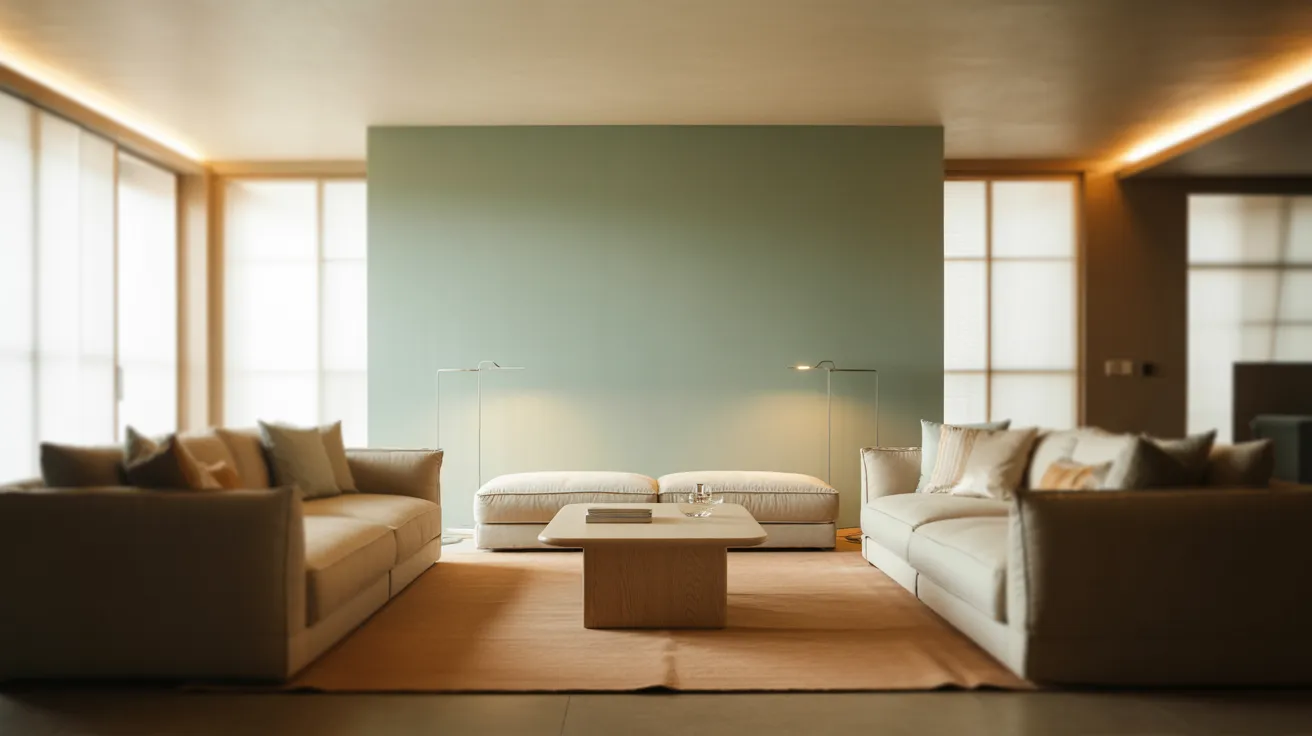
Good design comes down to three things: how a space feels, how it works, and how people move through it. A room can look great in photos and still feel wrong when you walk in.
Comfort goes beyond soft furniture. Lighting, furniture height, and wall color all shape your mood. Before picking a color, ask yourself how you want the room to feel.
Function and style have to work together. Choose furniture that fits your real life, not just your feed. And keep at least 30 inches between large pieces so the room feels open and easy to move through.
Color and Mood The Mintpalment Approach
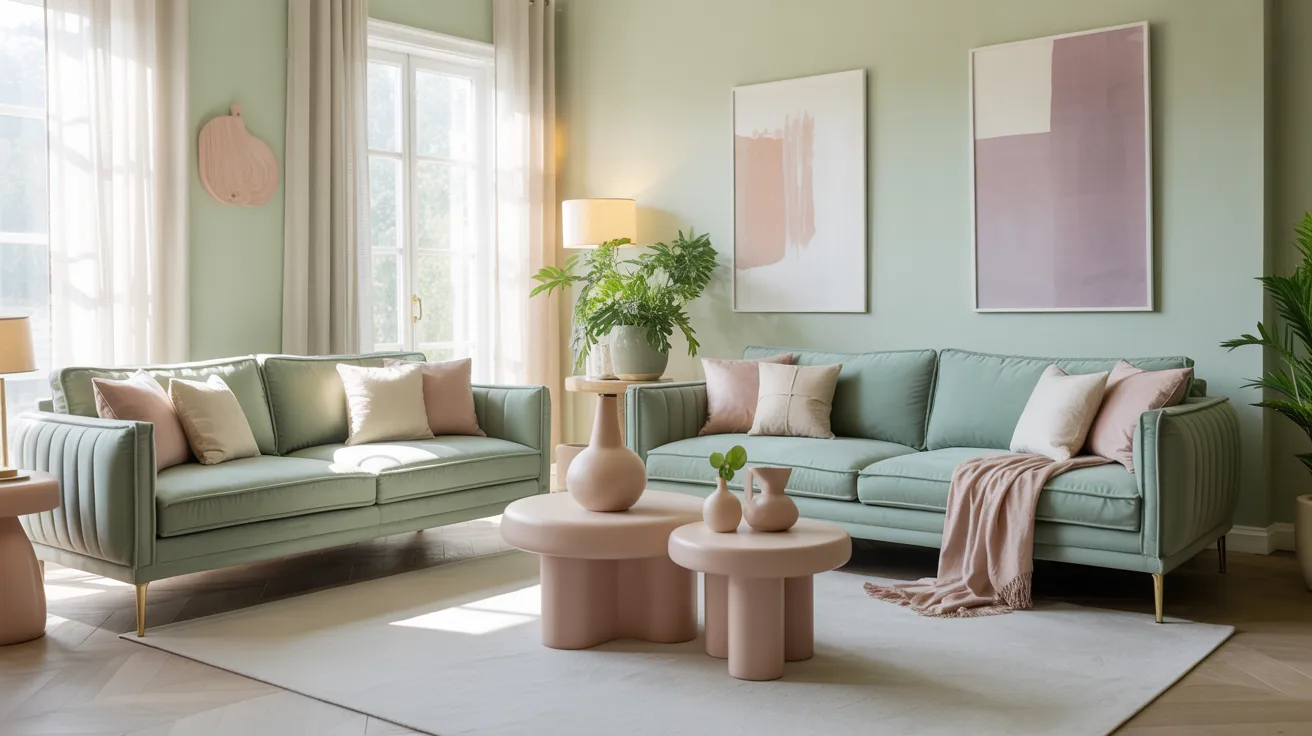
Color does more than decorate. It sets the tone for how every room feels and functions.
Choosing the Right Undertone
Mint green comes in many versions. Some lean cool with blue or gray in them. Others lean warm with yellow or white. This matters more than most people realize.
Knowing how to be better at interior design often comes down to understanding undertones. A cool mint works well in bright, north-facing rooms. A warm mint suits south-facing rooms with lots of natural light.
Color Pairings That Work
Mint works with more colors than you’d expect,
- Neutrals: like white, gray, and beige keep things calm and grounded.
- Pastels: like blush, lavender, and baby blue add softness without clashing.
- Contrasts: like navy, charcoal, and coral create energy and visual interest.
Pick one from each category at most. Too many colors compete for attention.
Room-Specific Color Guidance
In living rooms, mint works best as an accent, not the main wall color. In bedrooms, soft mint on one wall creates calm without closing the space in.
In kitchens, mint pairs well with white or light wood. In bathrooms, it brings a clean, fresh feeling that fits naturally.
Texture, Materials, and Accessories
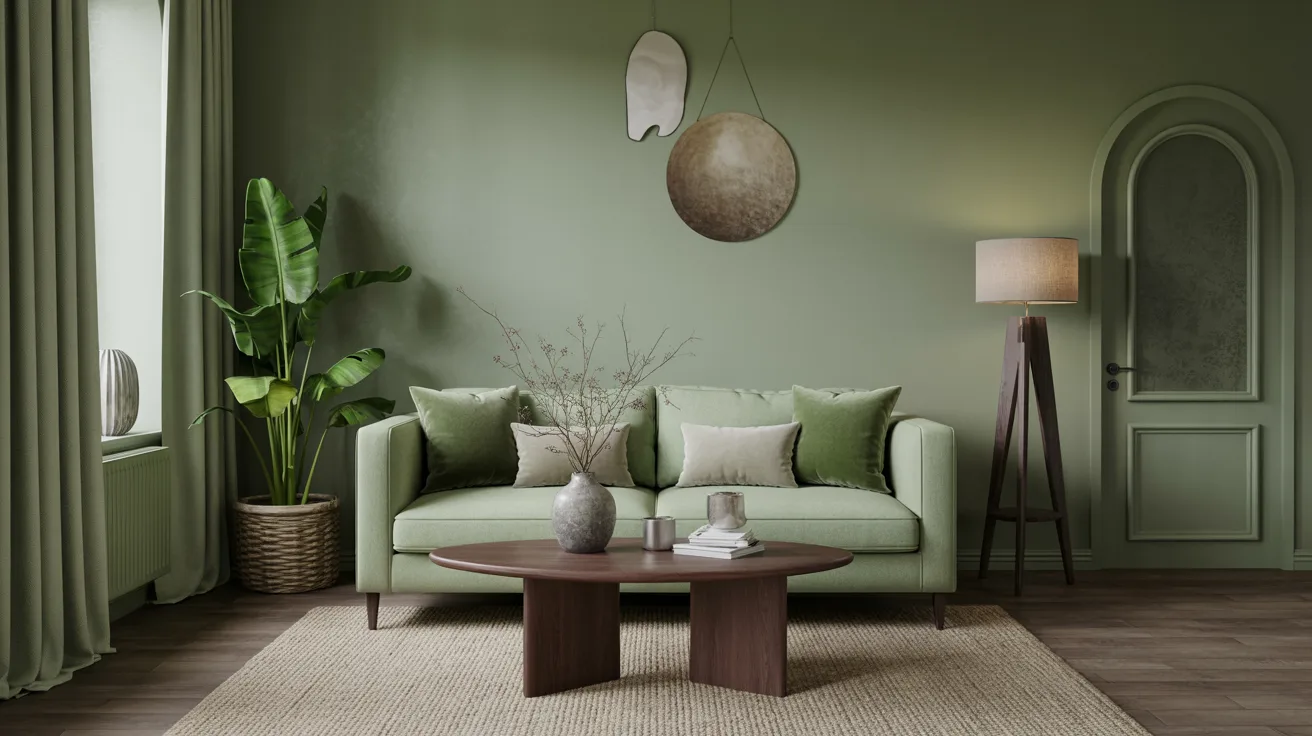
The right mix of textures and materials gives a room depth and makes it feel lived-in and real.
Layering Fabrics for Depth
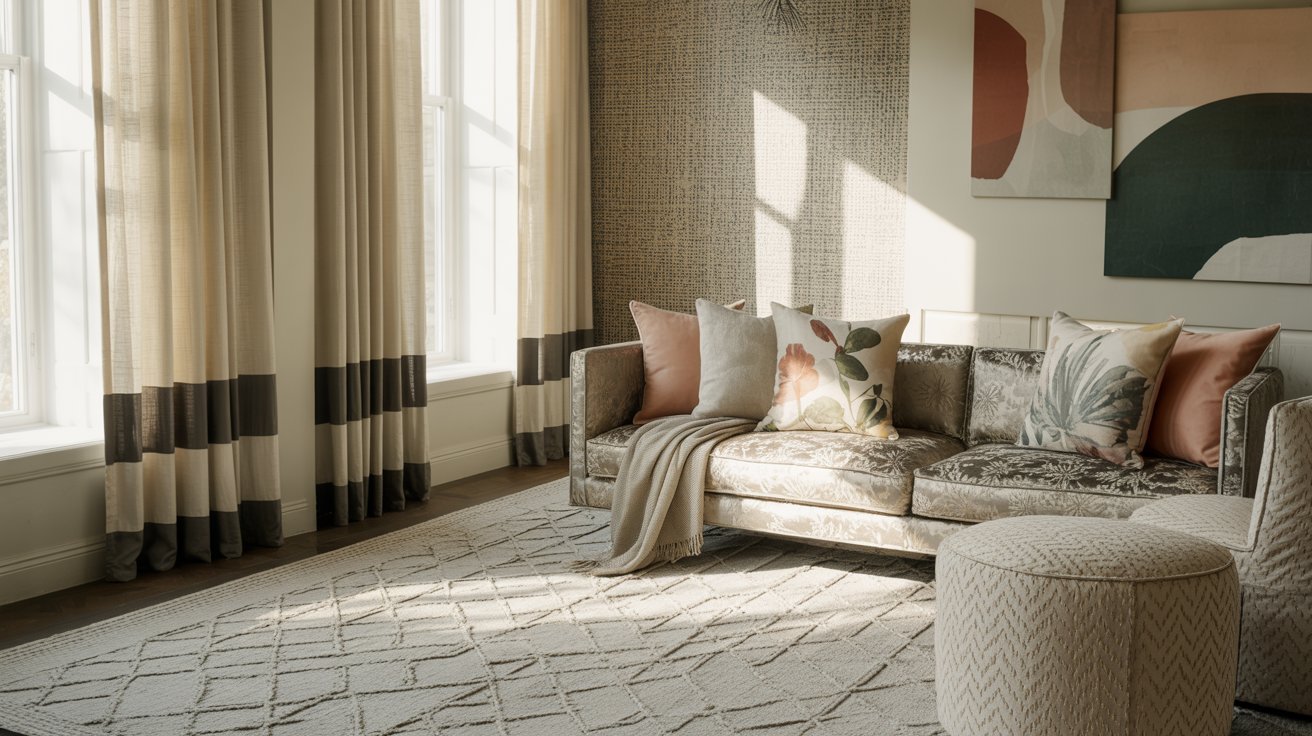
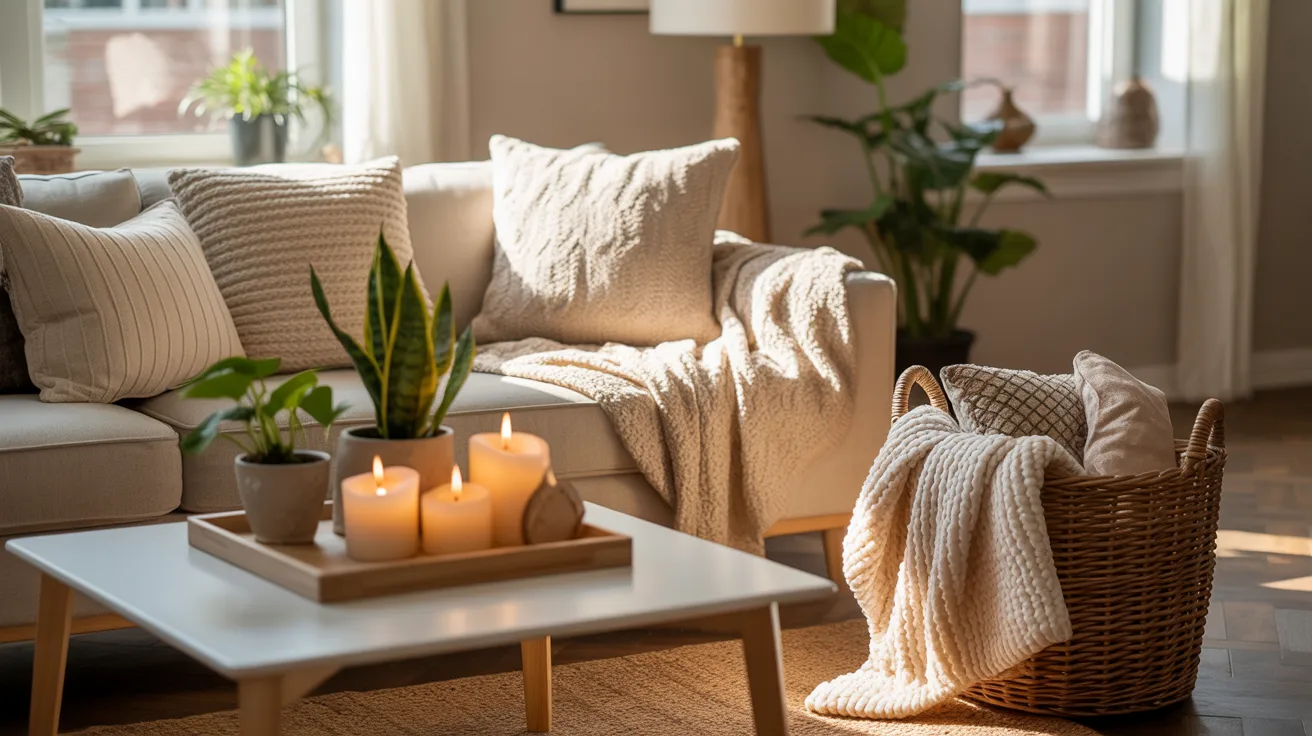
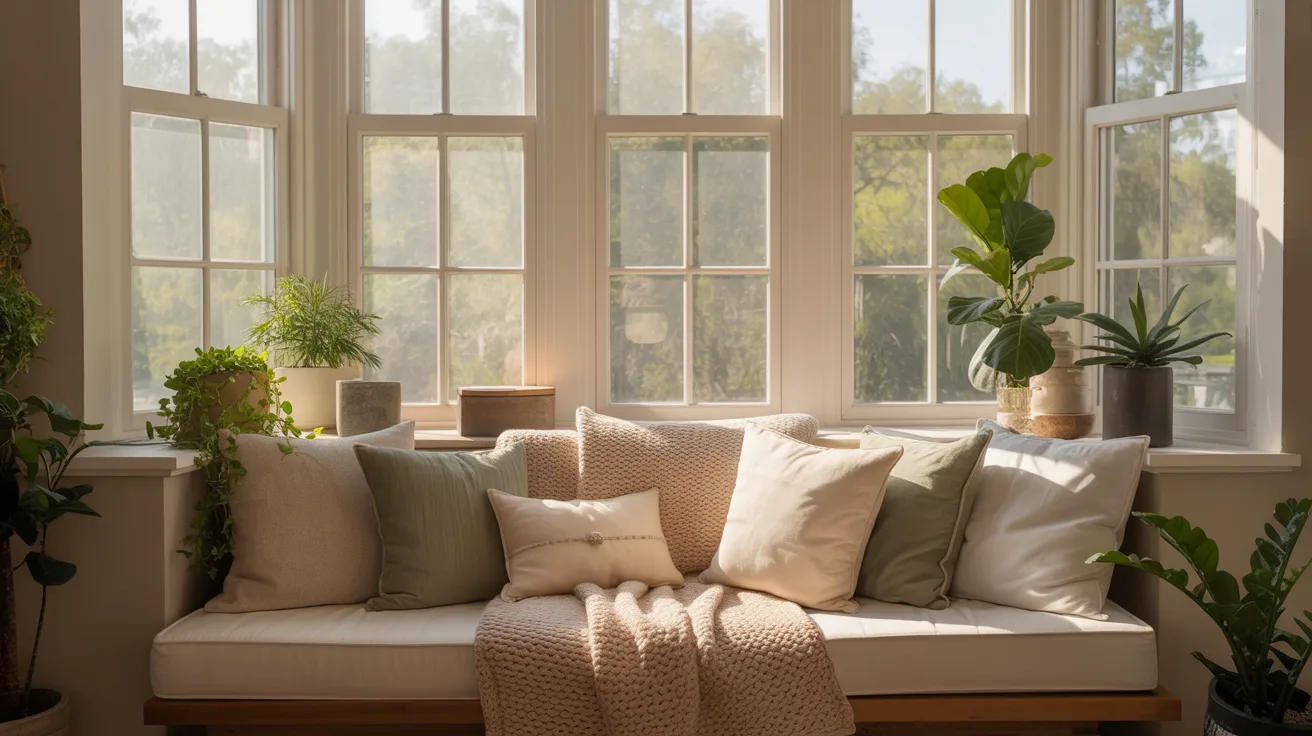
Flat, single-texture rooms feel one-dimensional and dull. Mixing fabrics is the easiest fix. Try linen curtains with a cotton throw and a velvet accent pillow. The contrast between soft and slightly rough textures adds depth without adding clutter.
Bold textures like chunky knit blankets work especially well against smooth mint walls. You don’t need much. Just three different fabric types can make a room feel layered and complete.
Wall Finishes and Paint Sheen
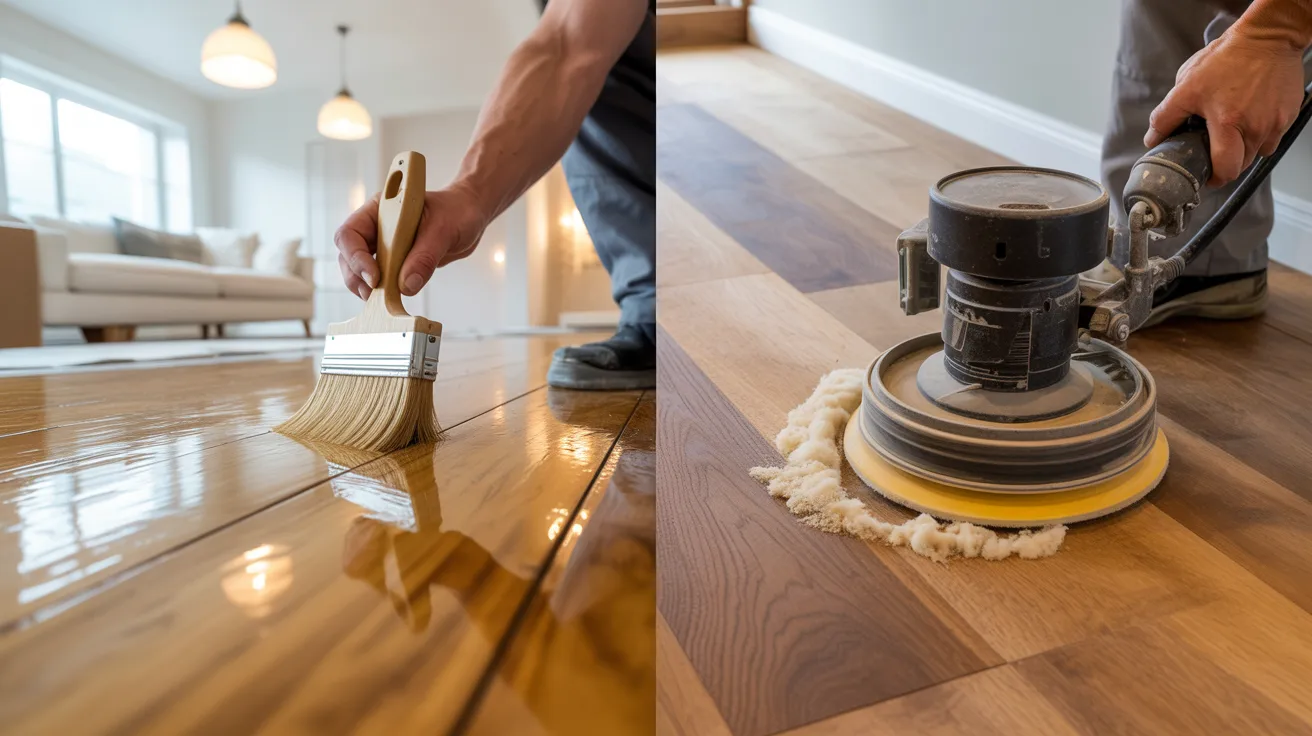
The finish on your paint matters more than most people think. Matte absorbs light and hides wall imperfections, making it a solid pick for bedrooms and older walls. Eggshell has a slight glow and works well in living rooms.
Semi-gloss reflects light and is easy to wipe down, so it suits kitchens and bathrooms best. Same color, different finish, and the whole feel of a room can shift.
Combining Mint with Metals and Natural Elements
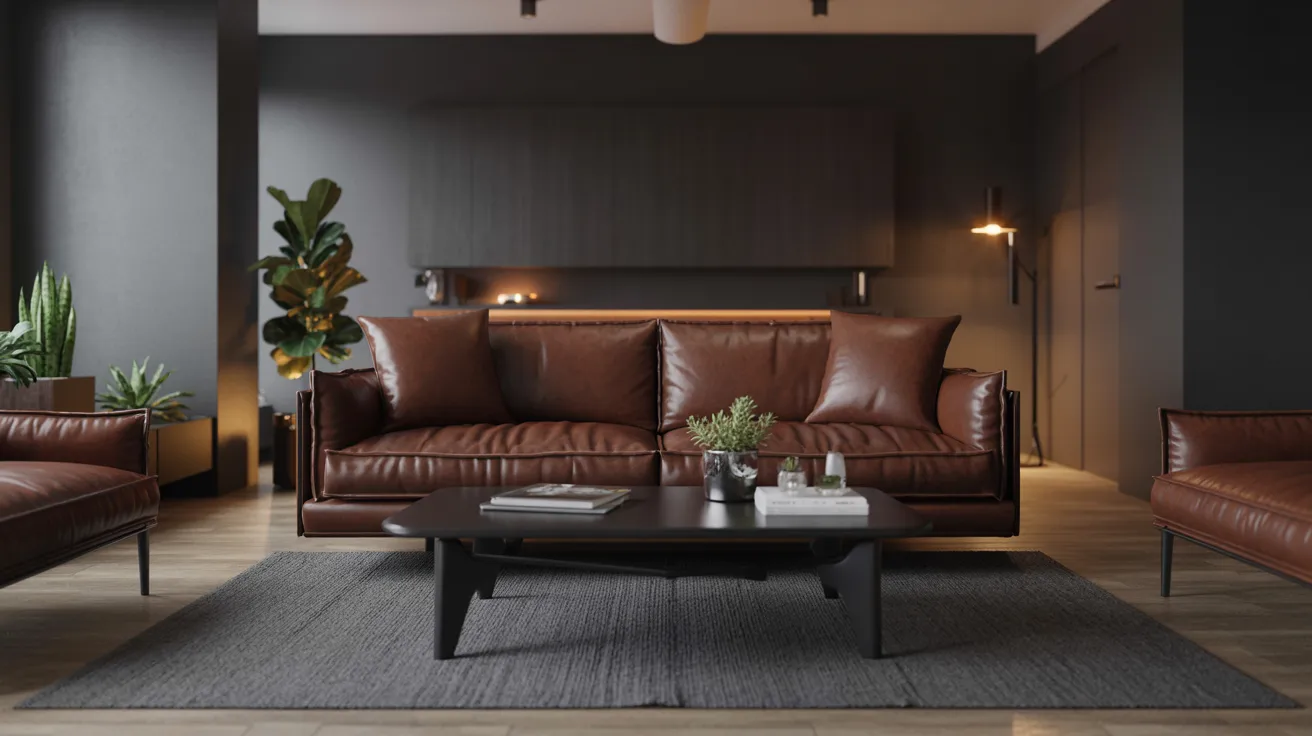
Mint pairs naturally with wood, leather, copper, and brass. Wood tones bring warmth. Leather adds texture and weight. Copper and brass feel warm and lived-in. Chrome and brushed nickel lean more modern and clean.
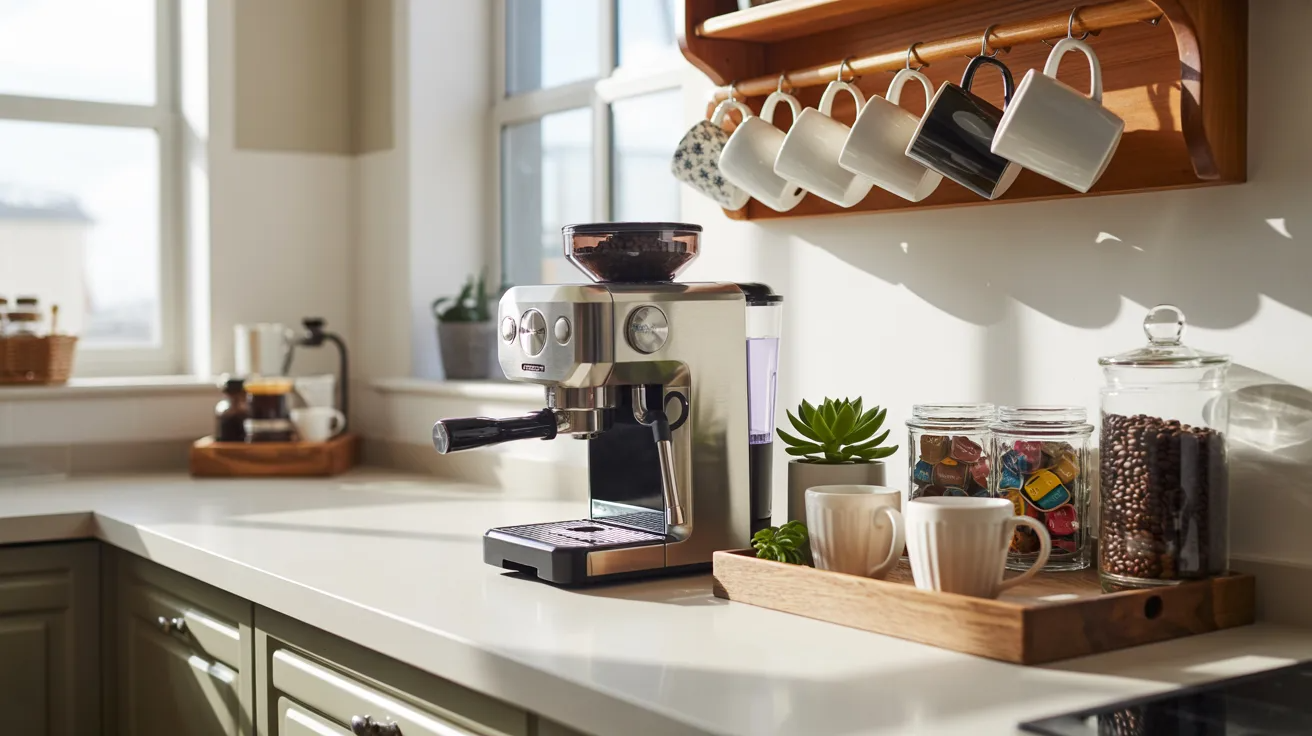
One of the simplest pieces of kitchen upgrading advice and home design updates is this: swap your old cabinet hardware for brass or copper pulls. It costs very little and changes the whole look of the space.
Common Mistakes to Avoid in Mintpalment Design
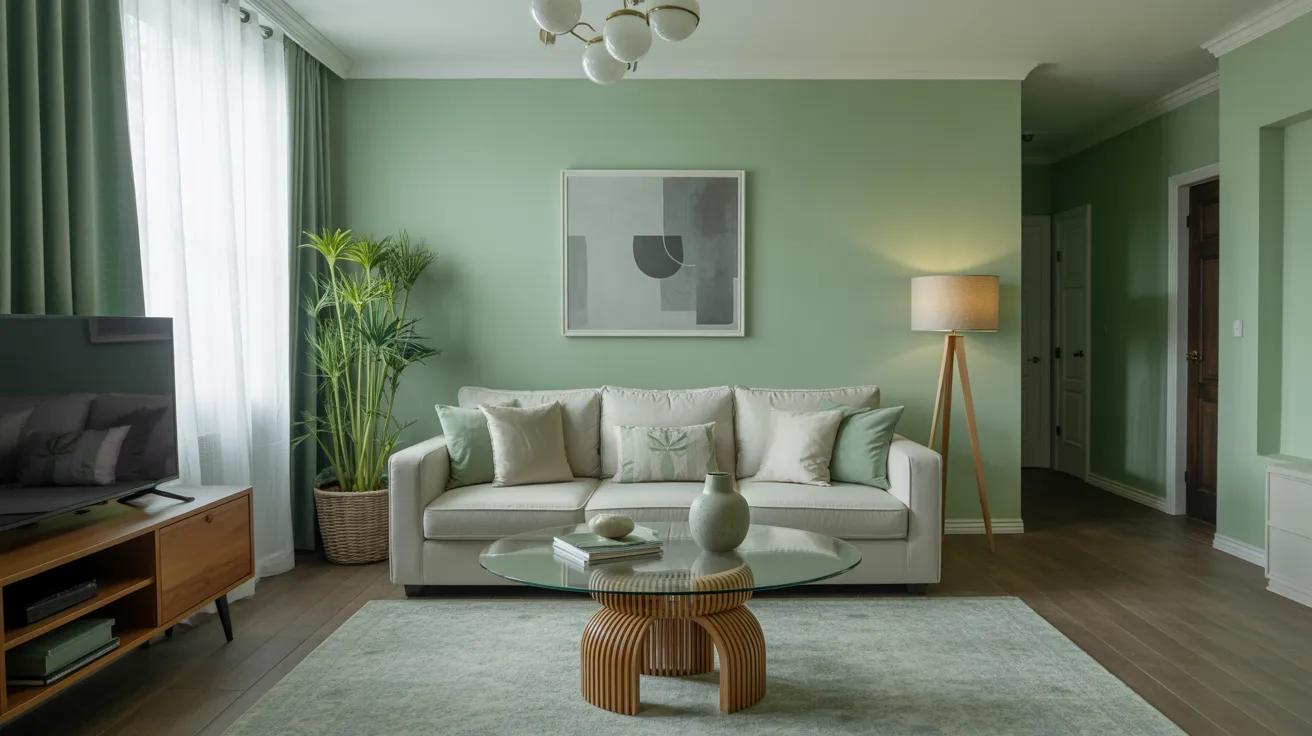
Knowing what not to do saves you time, money, and a lot of repainting.
Overusing Mint or Repeating Colors
Mint on every wall, mint furniture, mint curtains it becomes overwhelming fast. Use mint as an accent, not a blanket color. One or two focal points are enough. The color loses its impact when it shows up everywhere. Pick a spot, commit to it, and let the rest of the room breathe.
Ignoring Undertones or Light Conditions
A color that looks perfect in the store can look totally different at home. Natural light, artificial light, and even the colors of nearby furniture all change how mint reads on a wall.
Always test paint swatches in your actual room at different times of day before committing. This one step saves a lot of regret.
Forgetting Texture and Balance
This is where a lot of DIY rooms fall flat. Everything matches but nothing feels layered or warm. Good home upgrading advice to prevent common design mistakes always includes texture.
Add it through rugs, throws, plants, or wood accents. A room that has texture feels finished. A room without it just feels flat, no matter how well the colors go together.
Room-by-Room Mintpalment Strategies
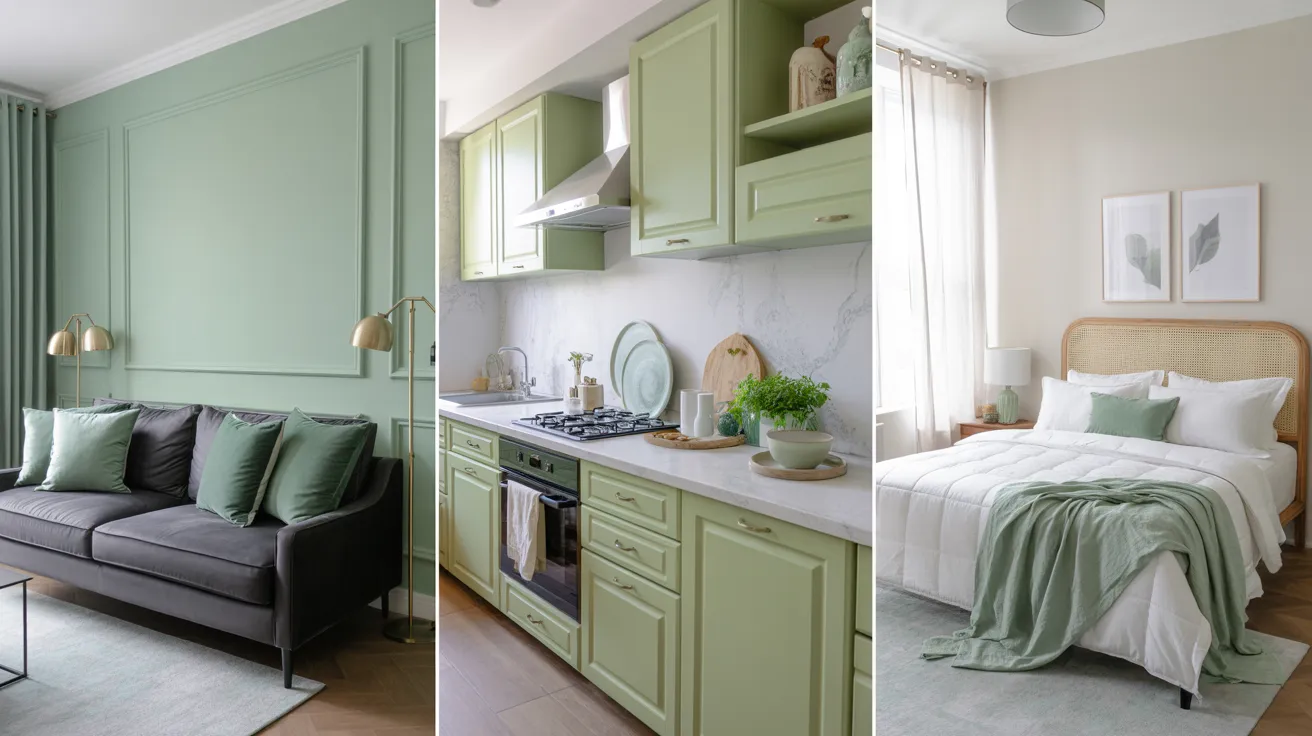
Each room has its own needs. Here’s how to apply Mintpalment in the spaces you use most.
Living Room
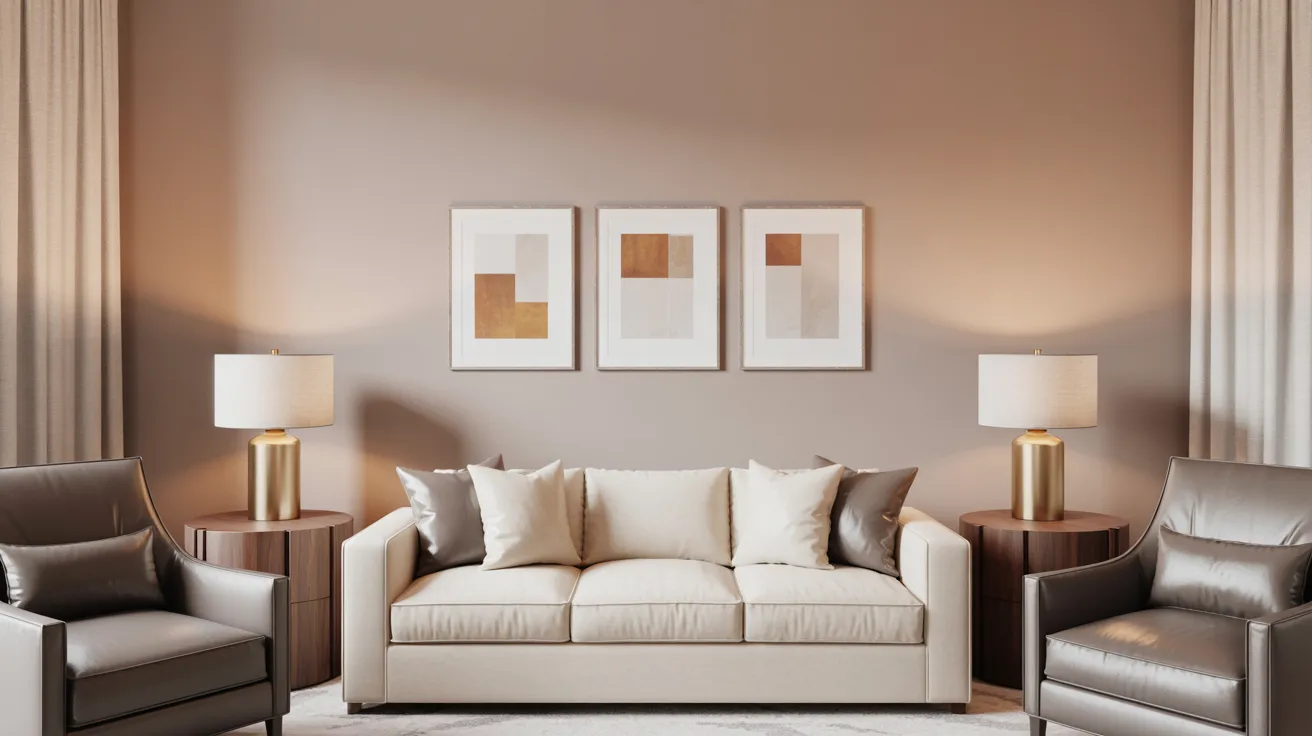
Use mint on one accent wall and keep the rest neutral. Add throw pillows in blush or navy to bring in color without overdoing it.
Choose a statement chair in a contrasting neutral like cream or warm gray. Grounding the room with white or gray keeps mint feeling fresh rather than loud.
Kitchen
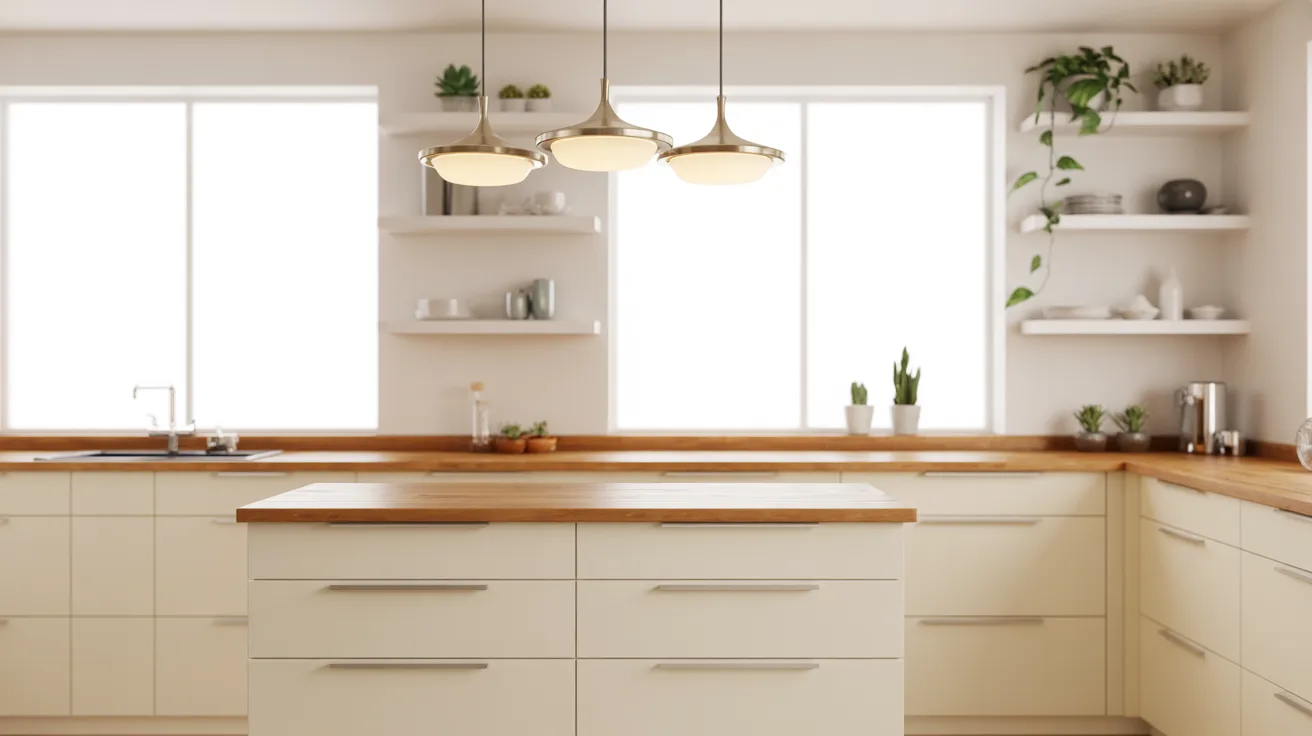
Mint cabinet doors with brass hardware create a look that feels both fresh and warm. A mint backsplash tile works well against white counters and natural wood shelving.
These are practical kitchen upgrading advice for a modern look changes that don’t require a full renovation. Small swaps like these go a long way in a kitchen.
Bedroom
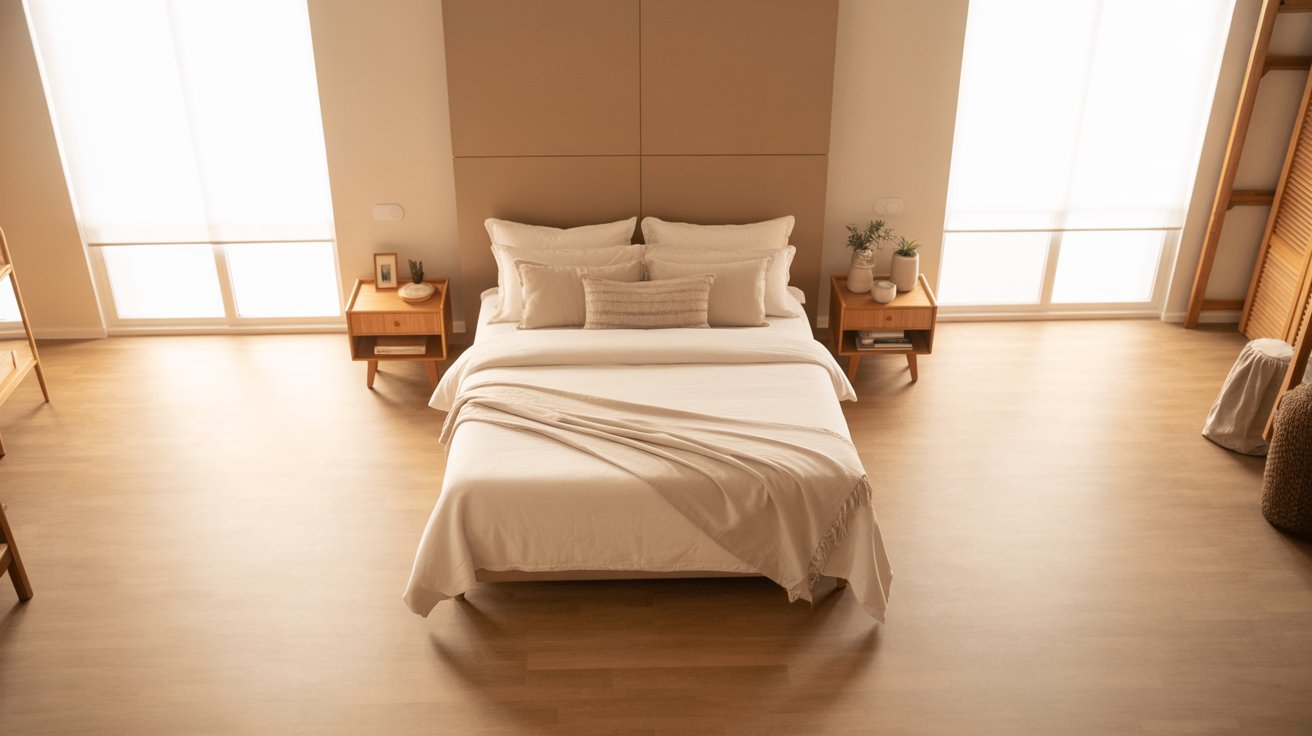
Soft mint on the wall behind the bed works as a calm focal point without closing the room in. Layer white and gray bedding with a textured throw for depth.
Add a wood nightstand to keep things grounded and warm. Skip relying only on overhead lighting. Lamps on either side of the bed create a much softer, more relaxing feel.
Bathroom
Mint tiles in a small bathroom feel clean and spa-like without being too bold. Pair them with chrome fixtures and white towels to keep the space feeling light. Add a small plant for a natural touch. Keep accessories minimal. In a bathroom, less really is more.
Top Interior Design Tips Using Mintpalment
Simple, practical steps to get started without feeling overwhelmed.
- Start with one small element like an accent pillow, a chair, or a single painted wall before going bigger.
- Pair mint with neutrals first, then slowly add pastels or natural materials once it feels right.
- Sit in the room at different times of day before buying paint or furniture. Light changes everything.
- Make sure storage is built in and surfaces are practical. A room that works always feels better than one that just looks good.
- Add things that mean something to you. A plant, a book, a photo. Personalization makes a space feel real, not staged.
- Build slowly. Rushed rooms always look rushed. Give each change time to settle before adding more.
Conclusion
Honestly, I used to overthink design. I’d buy things that looked good separately but never came together in a room. Mintpalment taught me to slow down and think about how a space feels first.
Comfort, balance, color, texture, and flow when these five things work together, a room feels peaceful, personal, and timeless.
You don’t need a big budget or a total makeover to get there. Start small and build from there. Use these interior decoration tips and home upgrading advice to start your Mintpalment-inspired design today.
I’d love to hear what you try first drop it in the comments!
Frequently Asked Questions
What exactly is Mintpalment in interior design?
Mintpalment is a design approach centered on mint green as a base tone, combined with balance, texture, and intentional color use to create calm, functional spaces.
Can I use mint green in a small room?
Yes. Soft mint on one wall or in small accents can make a small room feel open and airy without making it feel cold.
What colors go best with mint green?
White, gray, beige, blush, and navy all work well. Copper and brass metals also pair naturally with mint tones.
How do I pick the right shade of mint for my room?
Test at least two or three swatches in your actual room. Check them in morning light, afternoon light, and with your artificial lighting before deciding.
Is Mintpalment only for modern homes?
No. Mint works in traditional, farmhouse, and modern spaces. The key is in how you pair it with other colors, textures, and materials in the room.