Planning a living room can feel overwhelming. I’ve been there, staring at an empty room and wondering if my couch will even fit. That’s why I put together this guide on average living room size to help you plan smarter.
Here, you’ll find typical sizes in square feet and meters, tips for small, medium, and large rooms, and layout ideas that actually work.
I’ve spent time researching real home data so you don’t have to guess. From furniture selection to layout planning, this guide covers it all in one place.
Understanding Average Living Room Size
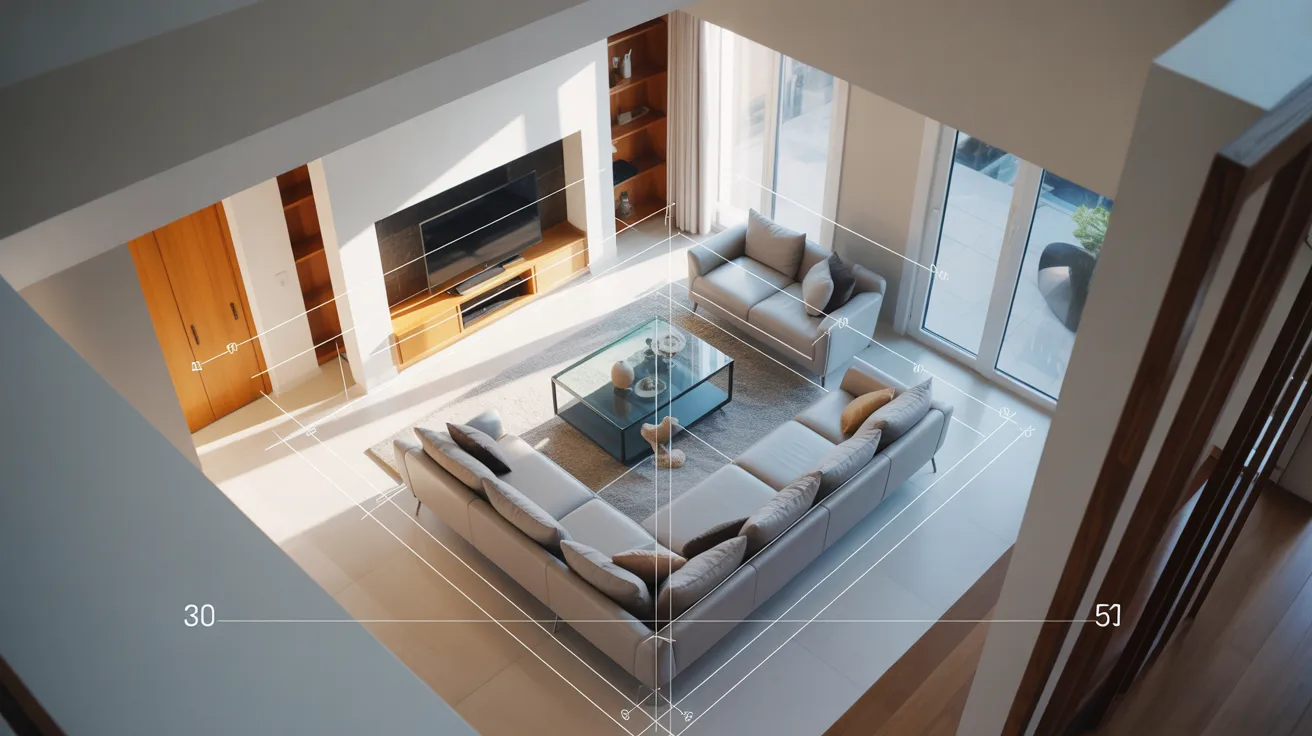
Living room sizes vary a lot depending on where you live. In most U.S. homes, the average living room size falls between 300 and 400 square feet (28 to 37 square meters). In cities like New York, where space is limited, living rooms often range from 200 to 300 square feet (19 to 28 square meters).
Small living rooms are usually under 250 square feet, around 10 × 13 feet. They seat 2 to 4 people and work best with light colors, mirrors, vertical storage, and multifunction furniture like storage ottomans.
Medium rooms range from 250 to 350 square feet and hold 4 to 6 people comfortably. Large living rooms go beyond 350 square feet and can seat up to 10 people, giving you room for multiple seating areas and bolder furniture choices.
What Is the Average Living Room Size in Modern Homes?
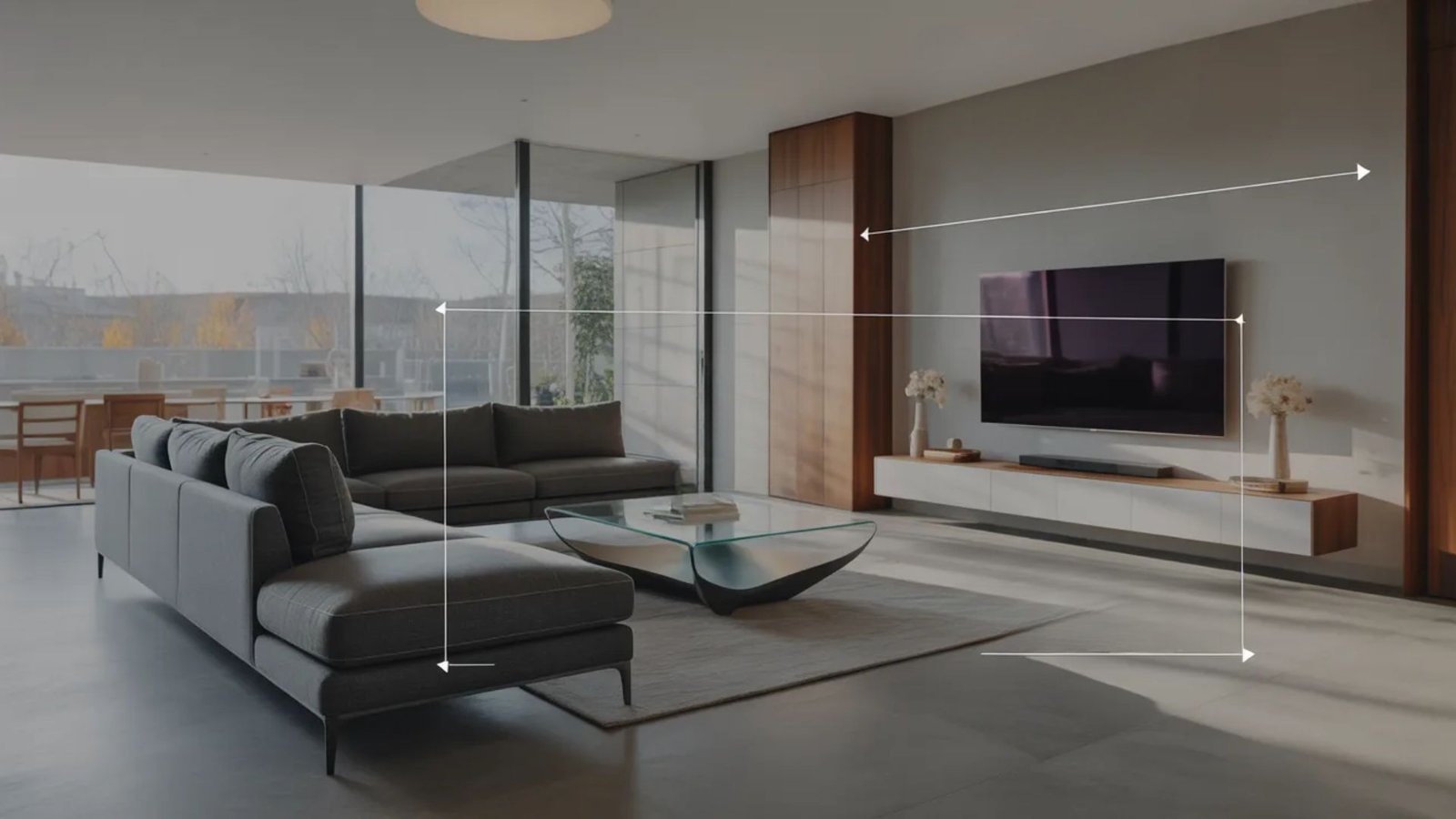
The average living room size in most U.S. homes falls between 300 and 400 square feet, though this varies based on home type, layout, and region.
Average Living Room Size in Square Feet
Most living rooms fall into one of three ranges. Small rooms come in under 250 square feet, while medium rooms sit between 250 and 350 square feet.
Large living rooms measure 350 square feet and above. The typical range for a standard U.S. home lands between 300 and 400 square feet.
Average Living Room Size in Feet
Knowing actual dimensions helps more than just the total area. A small living room is usually around 10 × 13 feet. A medium room runs about 12 × 18 feet. Large living rooms start at 15 × 20 feet and go up from there depending on the home.
Average Living Room Size in Square Meters
For those working in metric, the breakdown stays the same. Small rooms fall under 23 m², medium rooms sit between 23 and 32 m², and large living rooms go beyond 32 m².
Average Living Room Size in Different Units
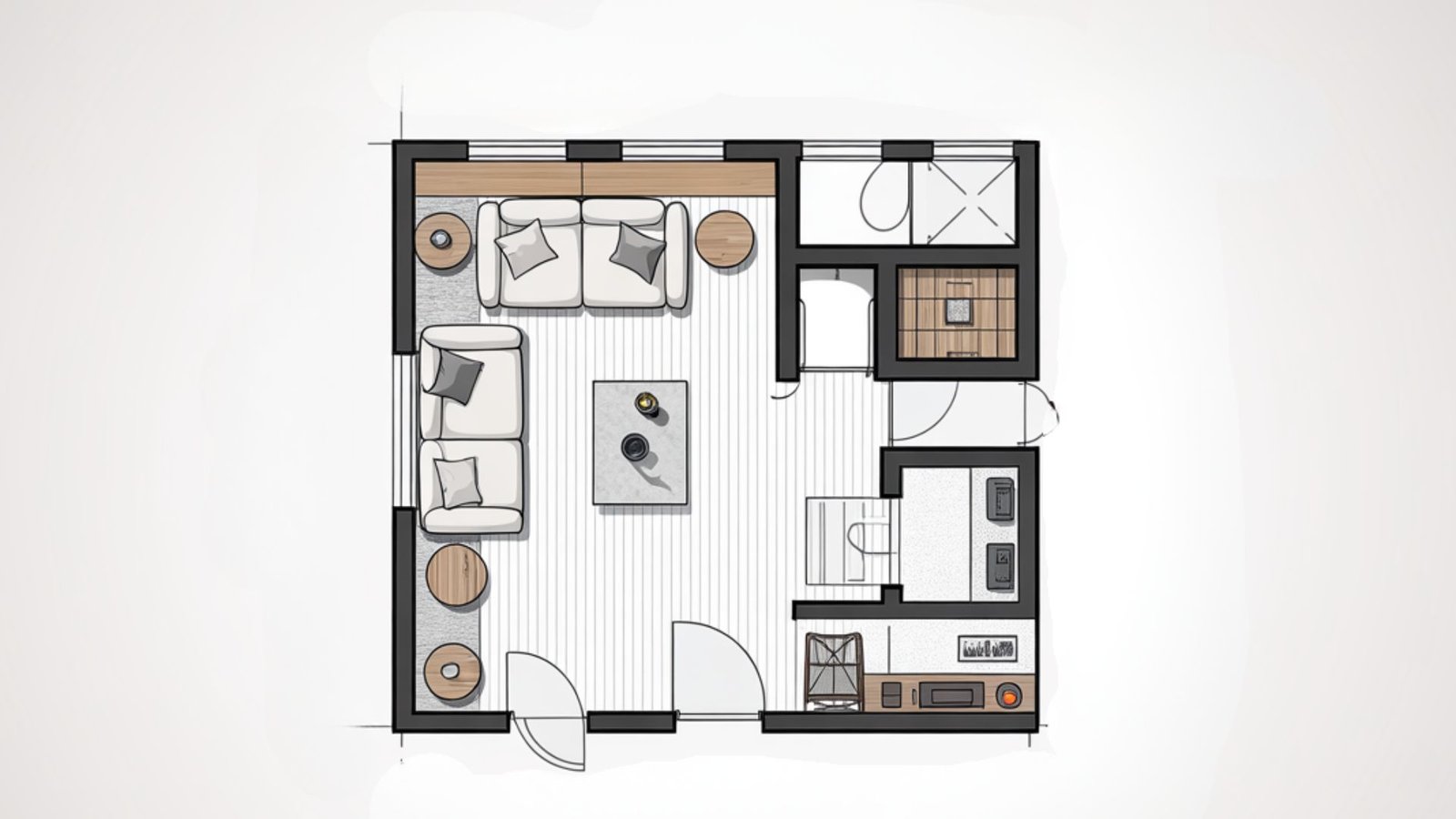
Here’s how common living room sizes translate across different measurements.
Small Living Room
A small living room typically measures around 10 × 13 feet, which comes out to roughly 130 square feet or 12 square meters. This size is common in compact apartments and starter homes.
It may feel tight at first, but with the right furniture choices it can still be very functional. Light colors and smart storage go a long way in making a small room feel more open and comfortable.
Medium Living Room
A medium room usually runs about 16 × 20 feet, totaling around 320 square feet or 30 square meters. This is the most common size found in standard U.S. homes and gives you a solid amount of flexibility.
You can fit a full sofa set, a coffee table, and still have room to move around freely. Most furniture arrangements work well in this size without feeling forced or cramped.
Large Living Room
Large living rooms start at 20 × 25 feet or bigger, covering 400+ square feet or 37+ square meters. These rooms give you the freedom to set up multiple seating areas and use bigger furniture pieces.
Knowing these numbers before buying furniture saves a lot of frustration. I learned that the hard way after ordering a sectional that didn’t fit through the door, so always measure first.
How to Plan Your Living Room Based on Size
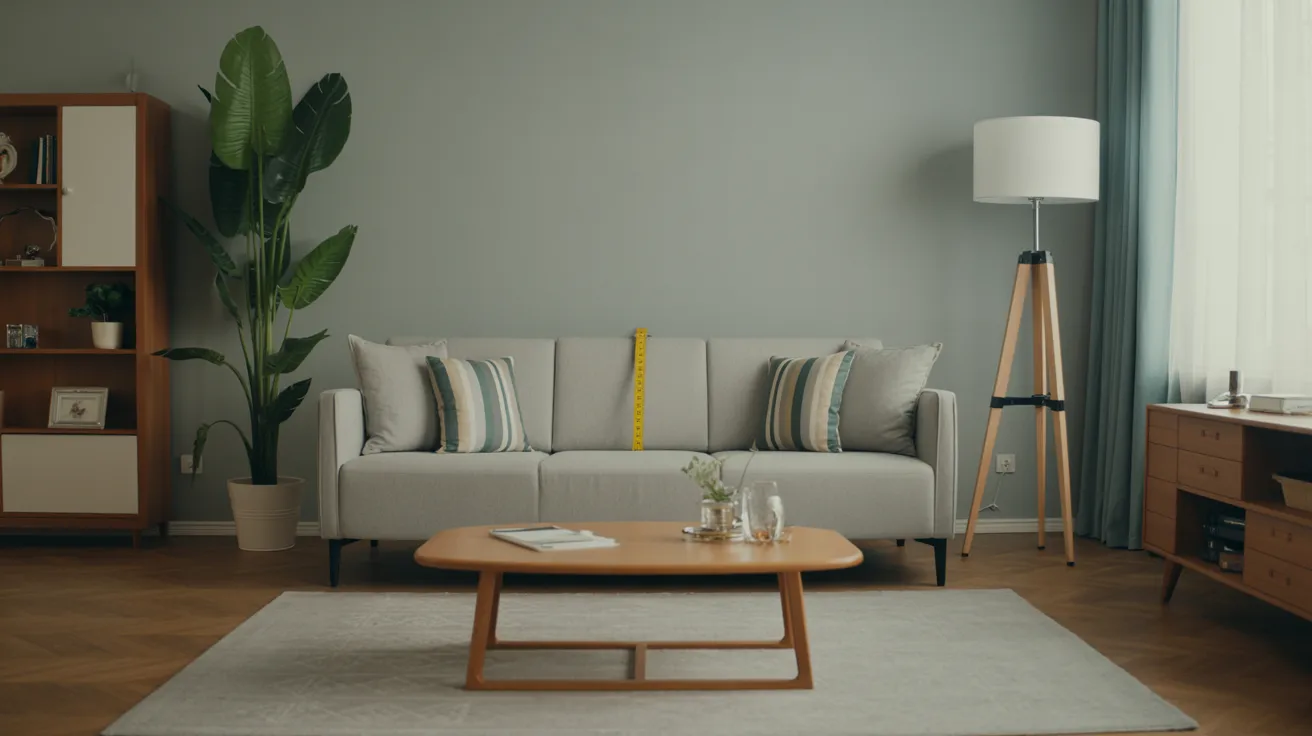
Smart planning starts with knowing your dimensions before buying a single piece of furniture.
Furniture Selection
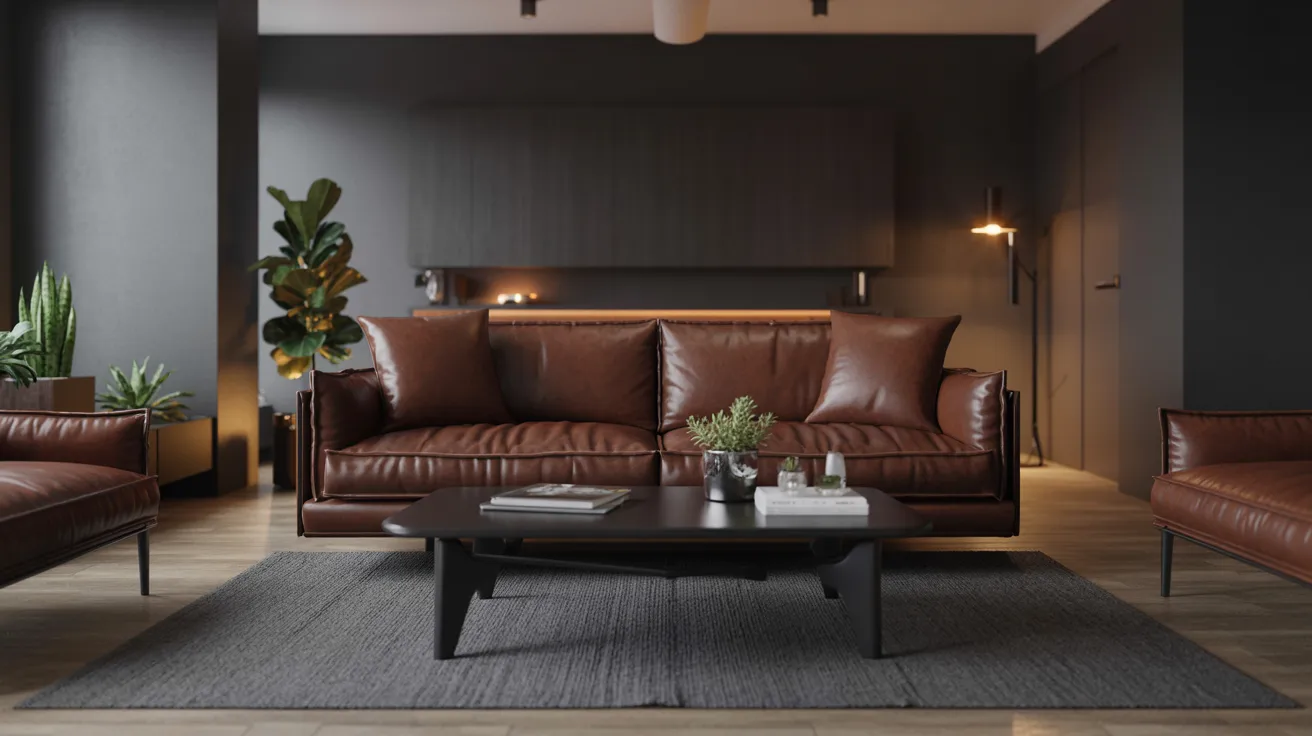
The right furniture depends on your room size. Small rooms do best with sleek, low-profile pieces.
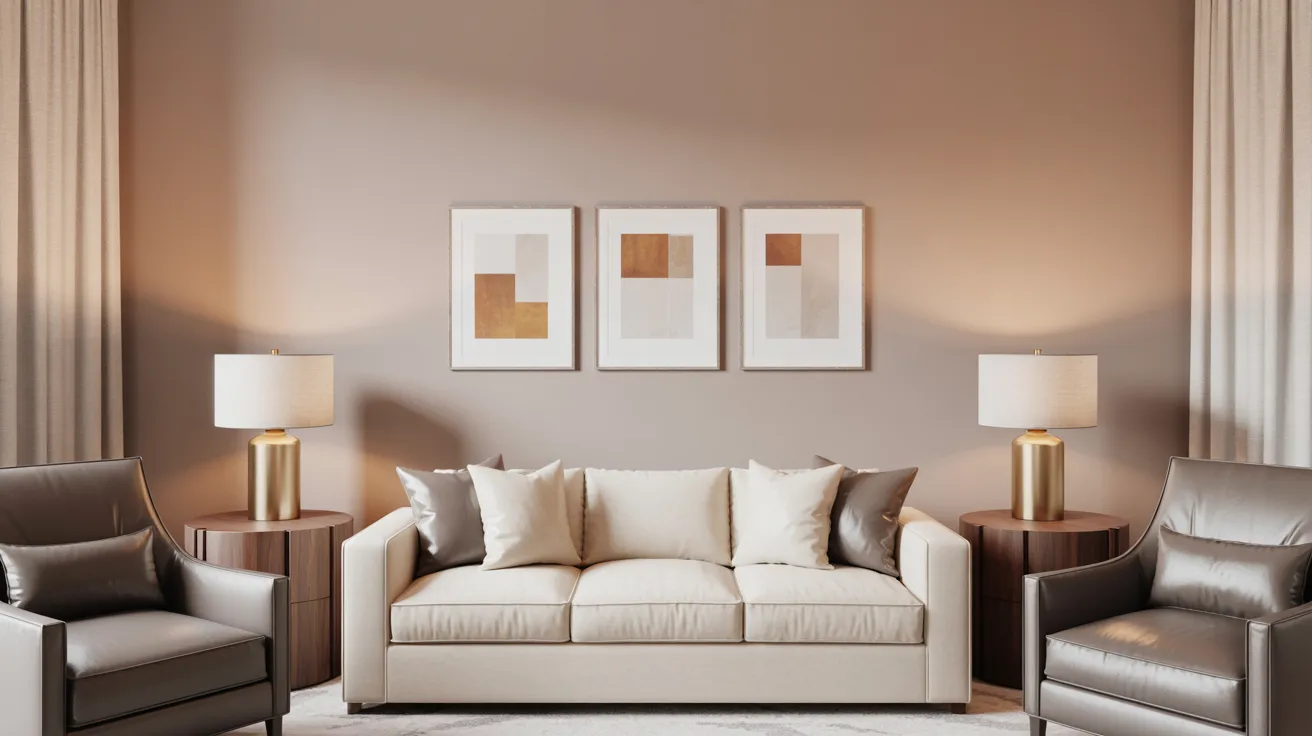
Look for sofas with exposed legs and tables that fold or stack to save space. Medium rooms allow for more variety, so you can mix a sofa with accent chairs and still have room to move around.
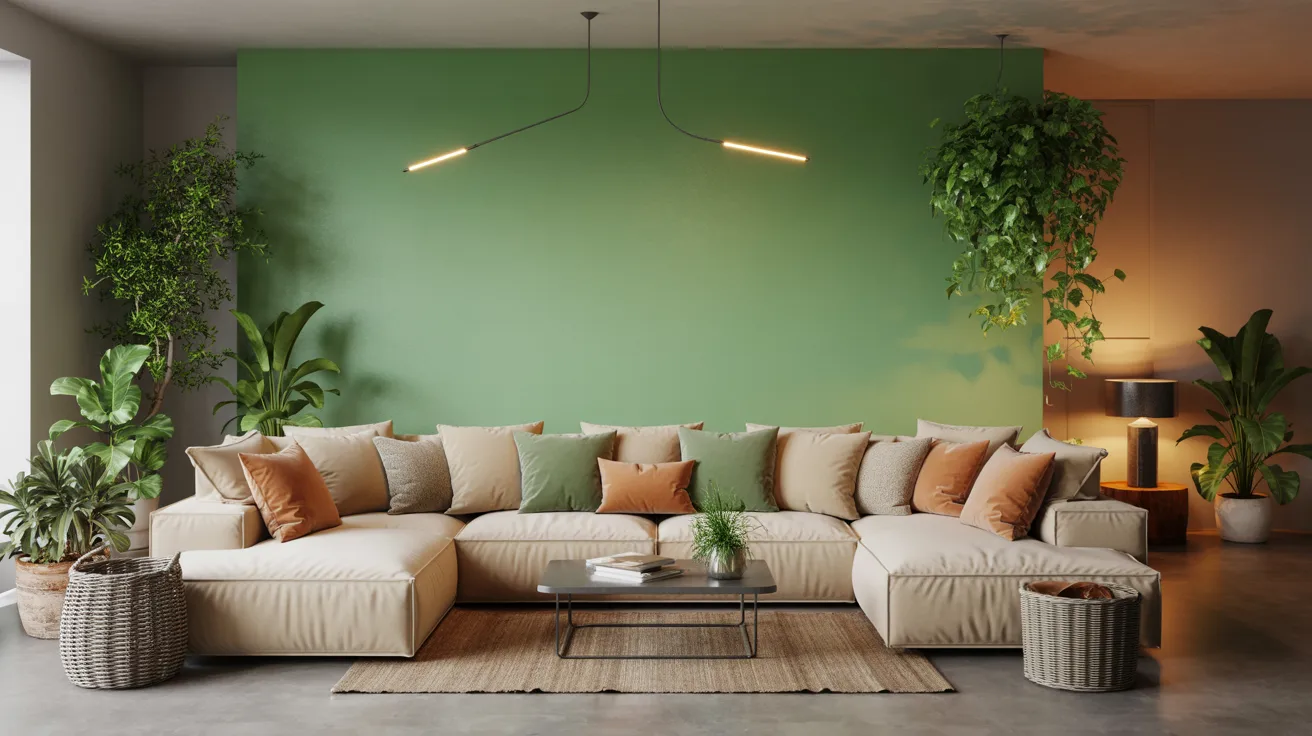
Large rooms can handle bigger pieces like sectionals, oversized coffee tables, and multiple seating zones without feeling crowded.
Layout Tips
- Layout sets the tone for how a room feels day to day. In small rooms, keep the floor clear, use vertical storage, and make sure every piece serves a purpose.
- Medium rooms work well when divided into zones, one area for lounging and one for work or entertainment, with a simple rug helping to separate each zone.
- Large rooms need rugs and furniture groupings to define spaces properly. Without that structure, even a big room can feel cold and disconnected.
Room Arrangement and Design Ideas
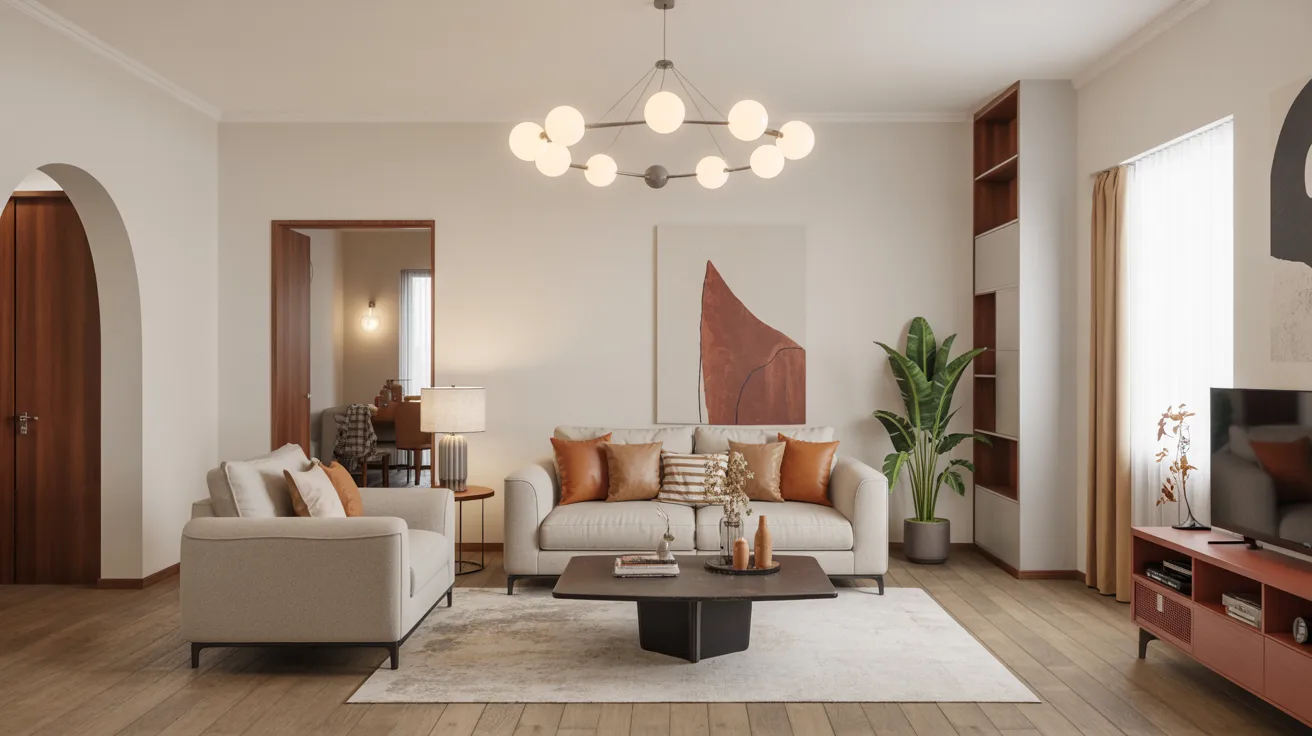
Practical ways to arrange your space and create a room that feels pulled together.
Defining a Focal Point
Every room needs a focal point to anchor the space. This could be a fireplace, a TV wall, or a large window that draws the eye.
Arrange your seating so it faces or frames that point naturally. This creates a clear flow through the room and gives everything a sense of purpose and structure.
Color and Texture
Stick to a cohesive color palette to keep the room feeling calm and intentional. Neutrals work well as a base, and you can add one or two accent colors through cushions, art, or a rug.
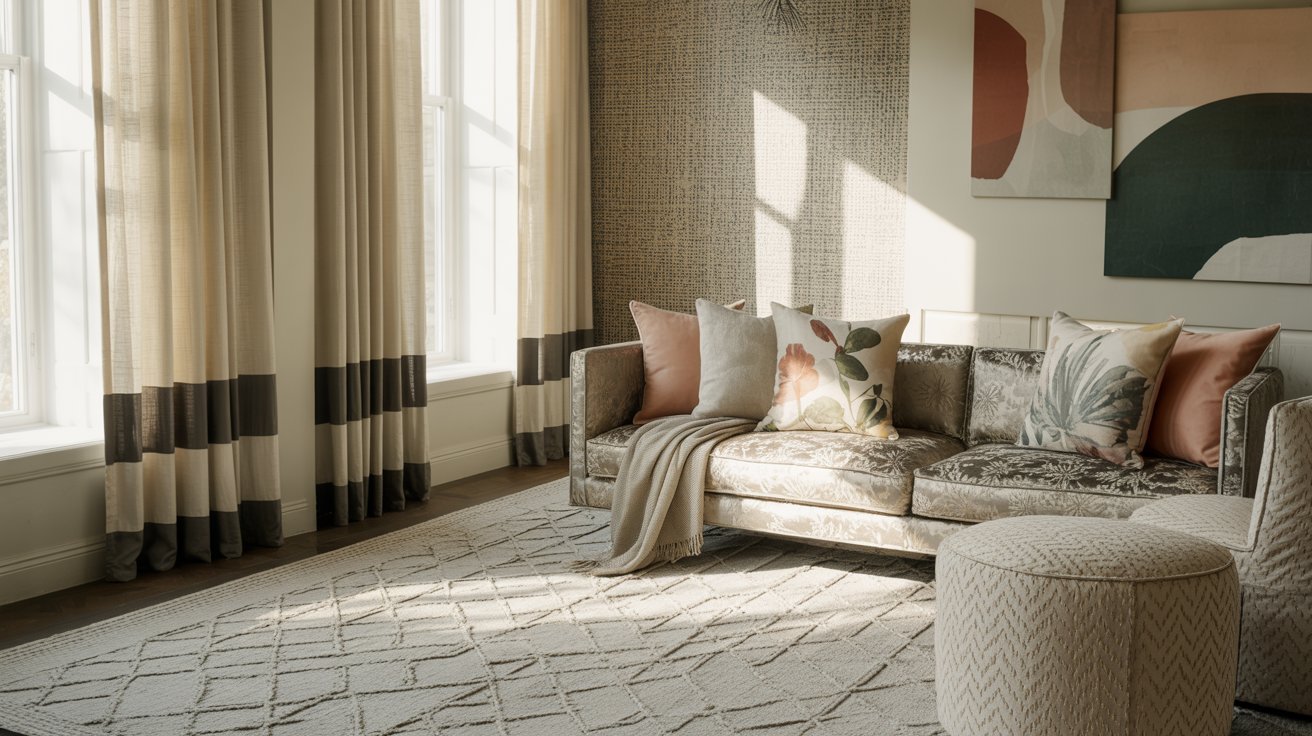
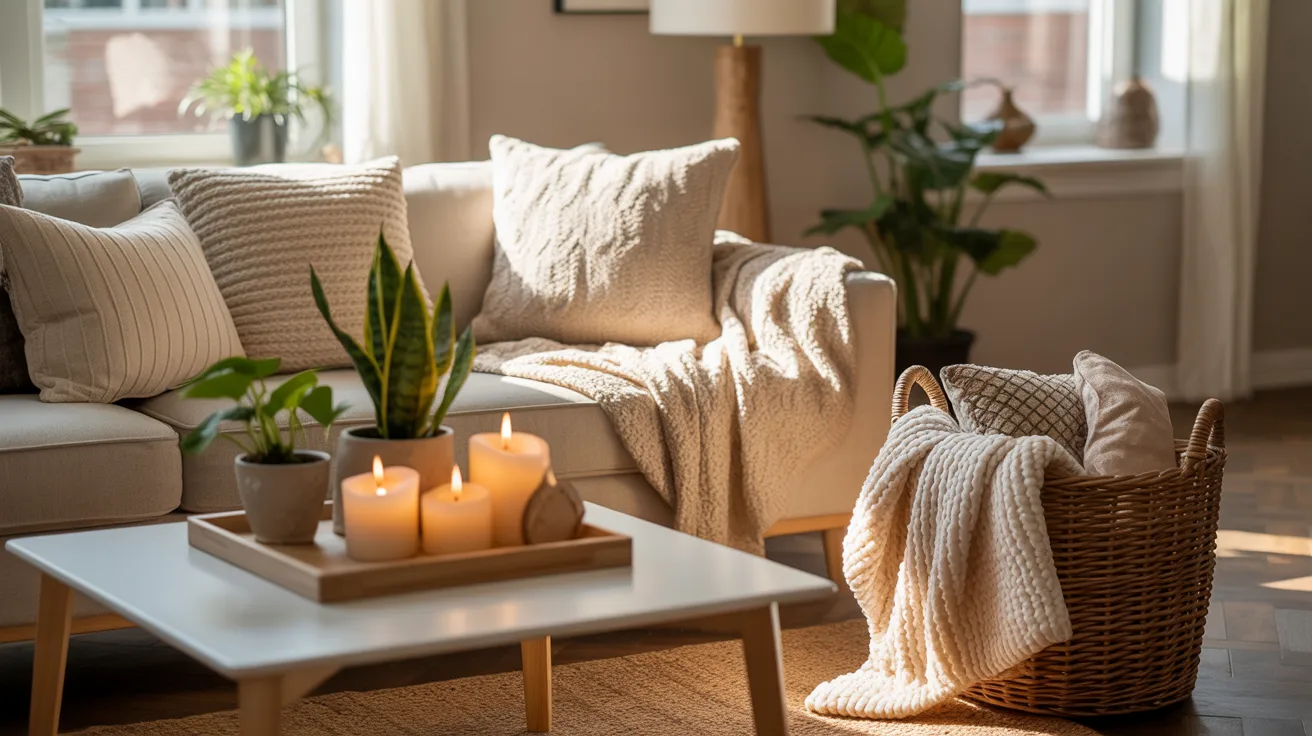
Layering different textures adds depth without adding clutter. Think a woven rug underfoot, soft throw blankets on seating, and a mix of wood, metal, and fabric across your furniture pieces.
Lighting
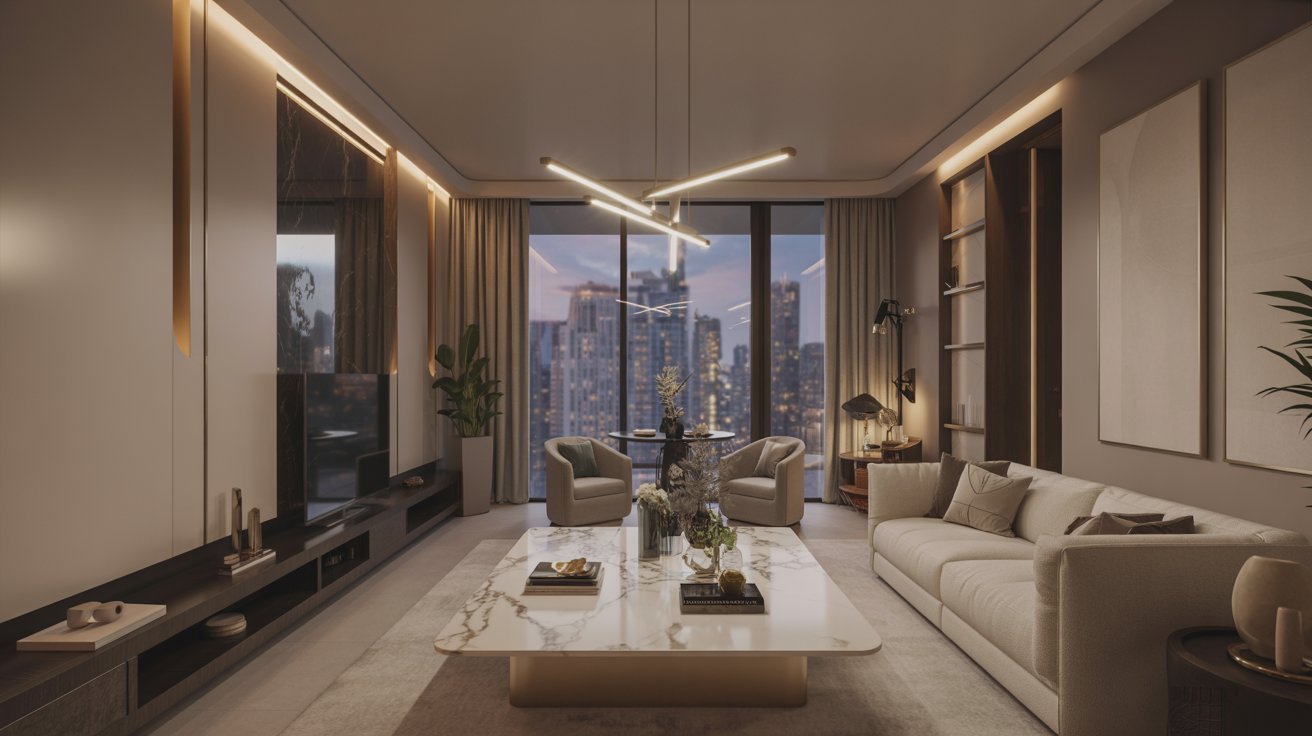
Good lighting changes how a room feels more than most people realize. Use three layers to get it right. Ambient lighting handles overall brightness, task lighting covers reading or work spots, and accent lighting highlights art or architectural details.
A statement floor lamp or pendant can also add a lot of character to the room without taking up any floor space.
Personal Touches
Add artwork, photos, and objects that mean something to you. These are the details that make a room feel lived in and real. Just keep balance in mind as you go.
A few well-chosen pieces always look better than a wall covered in clutter. Proportion matters just as much as style when pulling a room together.
Tips for Maximizing Your Living Room Space
Simple strategies that make any size living room feel more functional and comfortable.
- Use mirrors on walls to reflect light and make small rooms feel larger
- Stick to lighter paint colors to open up tight spaces
- Keep furniture slightly off the walls instead of pushing it all the way back
- Define zones with rugs and furniture placement in medium rooms
- Add storage pieces that double as decor, like a bookshelf or storage bench
- Pull furniture toward the center of large rooms to create warmth and balance
- Use a large area rug to anchor the main seating area in any size room
Conclusion
Understanding the average living room size has genuinely changed how I approach room planning. Once you know your numbers, everything else gets easier. You make better furniture choices, layouts come together faster, and the room just feels right.
I hope this guide gives you a clear starting point. If you’re still unsure, talking to an interior designer can help you get a layout made for your specific space.
Drop a comment below and let me know your room size. I’d love to help you figure out your next step.
Frequently Asked Questions
What is the average living room size in a U.S. home?
Most U.S. living rooms measure between 300 and 400 square feet. This gives enough room for a sofa, coffee table, and entertainment setup without feeling cramped.
What is the average living room size in square meters?
The average falls between 28 and 37 square meters for standard U.S. homes. Apartments in dense cities often have smaller rooms, typically 19 to 28 square meters.
What size living room is considered small?
A living room under 250 square feet is generally considered small. Common small room dimensions are around 10 × 13 feet, which works well for 2 to 4 people.
How do I make a small living room feel bigger?
Use light paint colors, mirrors, and furniture with exposed legs to open up the space. Keeping the floor clear and using vertical storage also helps a small room feel larger.
Do I need an interior designer to plan my living room layout?
You don’t need one, but it can help if you’re unsure about furniture placement or room flow. A designer can look at your specific dimensions and give advice that fits your lifestyle and budget.