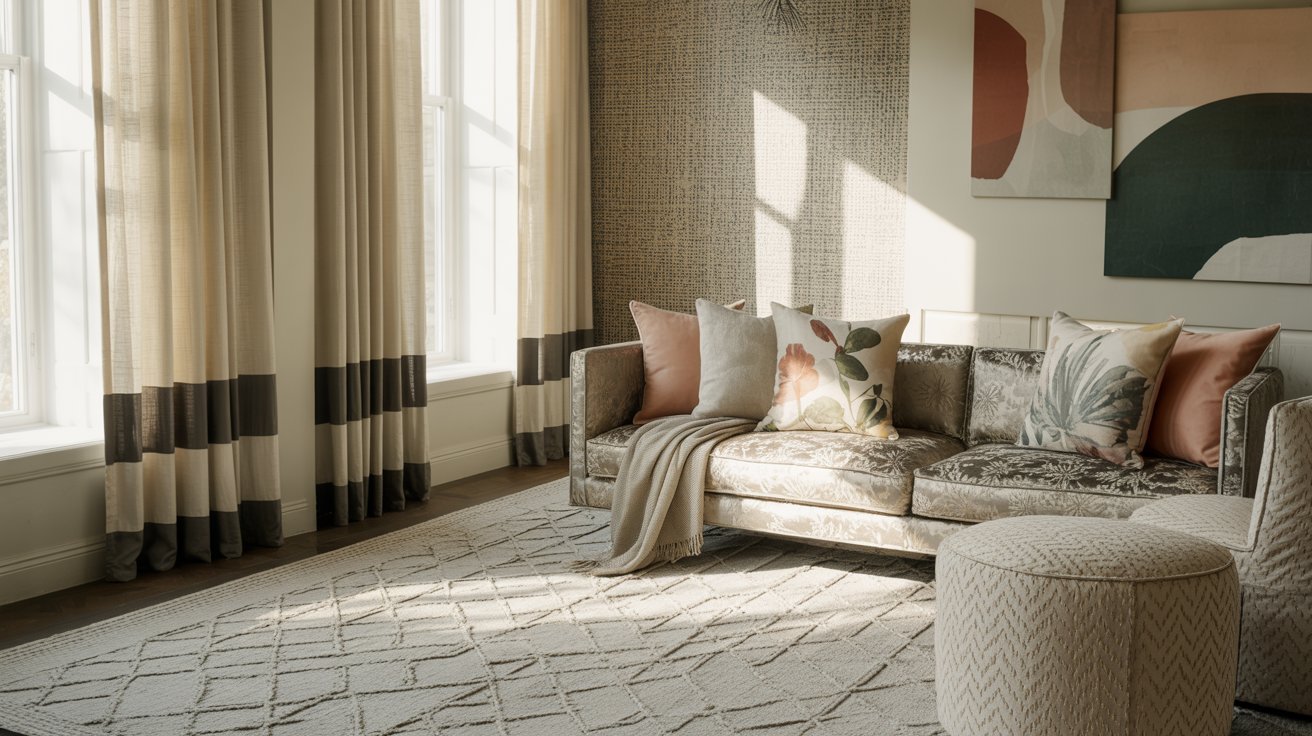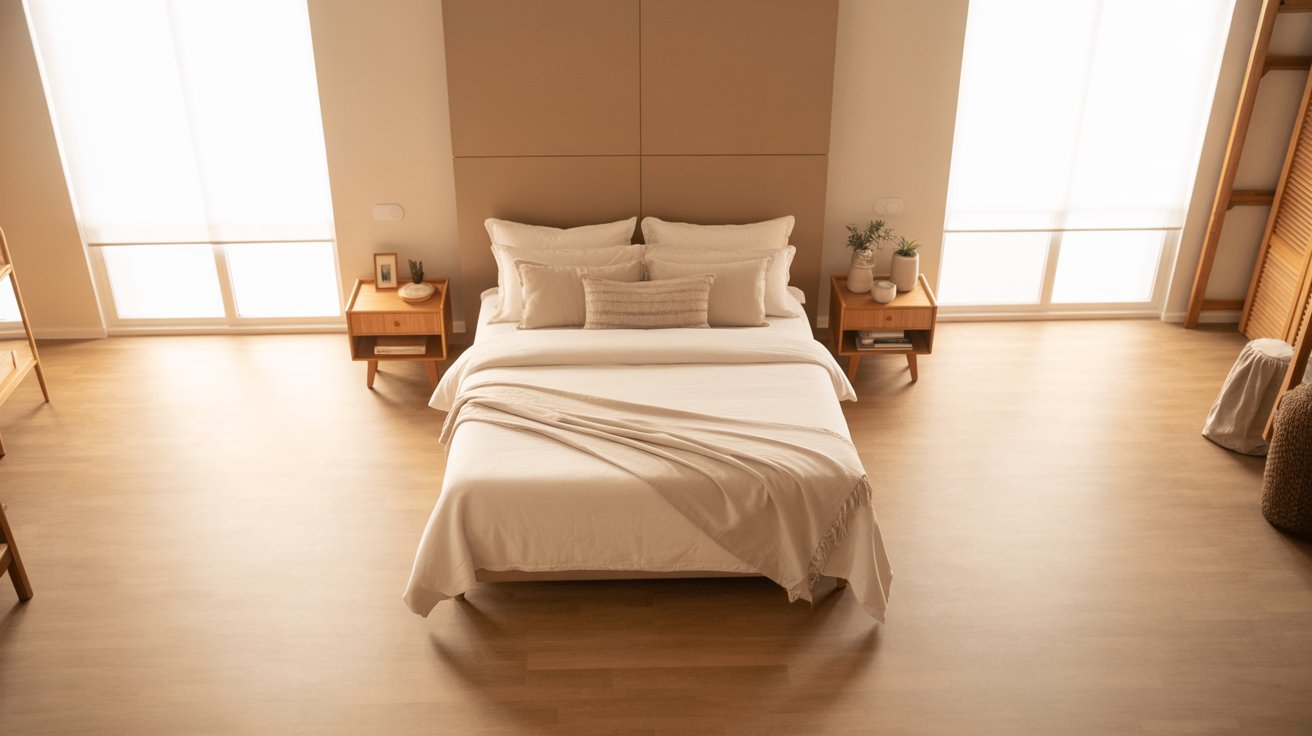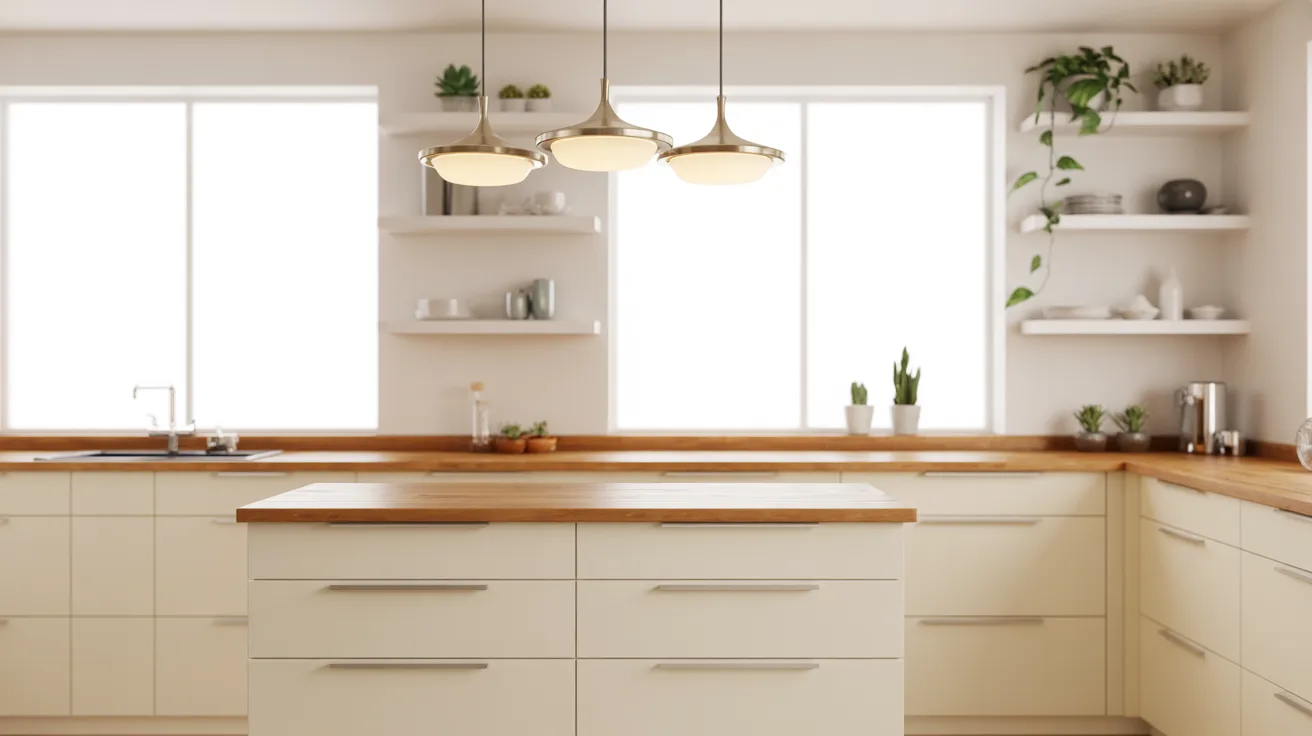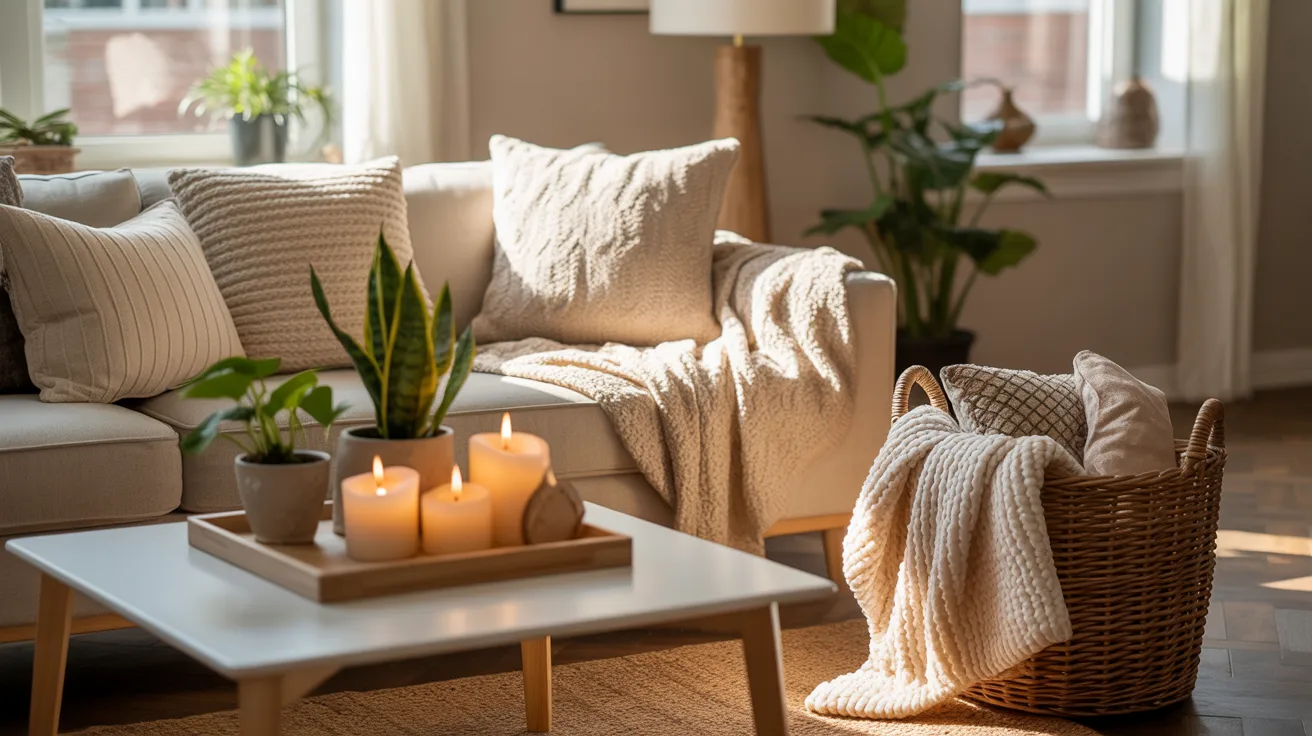
I have always believed that a well-balanced room just feels right the moment you walk in. Symmetrical balance in interior design is one of the simplest ways to get that feeling.
In this article, I will cover what it means, the key principles behind it, real-life examples, and practical tips you can use today.
I have helped many people rearrange their spaces using these ideas, and the results speak for themselves.
By the end, you will know exactly how to bring more order, calm, and structure into any room in your home.
What Is Symmetrical Balance in Interior Design?
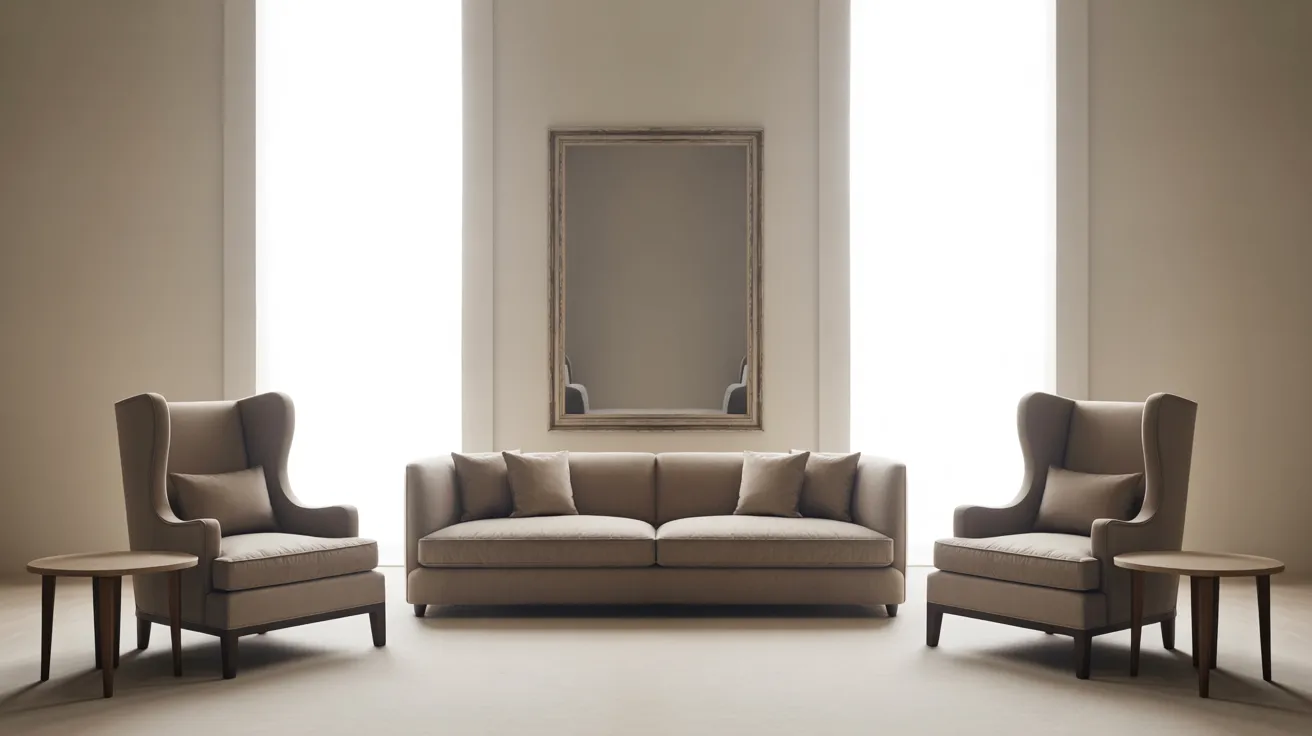
Symmetrical balance in interior design means arranging objects so both sides of a room look equal. You pick a center point, then mirror items from one side to the other. It creates a sense of order that most people find pleasing right away.
When a room feels balanced, your eyes move around it without effort. Nothing looks out of place. This is why symmetry has been used in homes and public buildings for hundreds of years. It gives any space a calm, structured feel.
Our brains naturally like patterns. A room with symmetrical balance gives the brain less work to do. The result is a space that feels relaxing and easy to be in. Most people cannot explain why they love a room. Often, it simply comes down to balance.
Key Principles of Symmetrical Balance in Interior Design
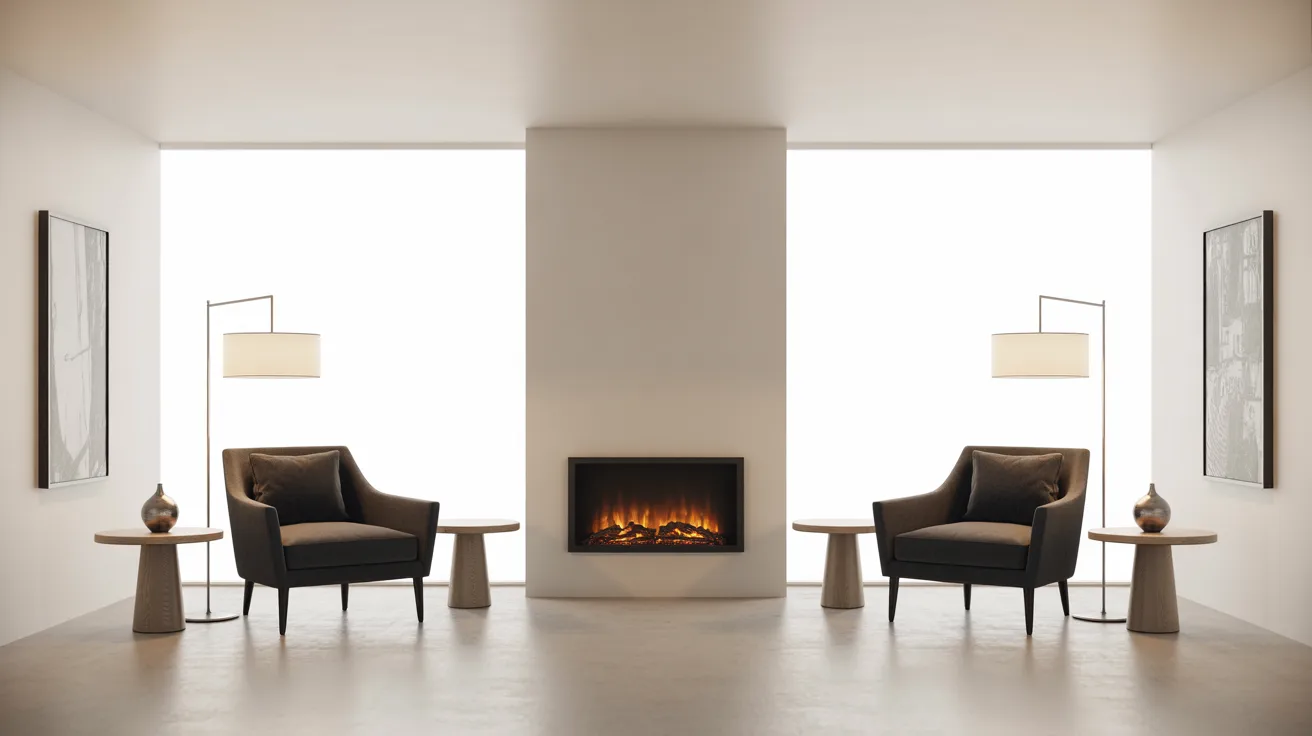
The simple rules that make symmetry work well in any room.
Using a Central Axis or Focal Point
Every symmetrical room needs a center. This could be a fireplace, a window, a bed, or a piece of art.
Everything else in the room is arranged around that point. Without a clear focal point, the symmetry has nowhere to start.
Mirroring Furniture and Decorative Elements
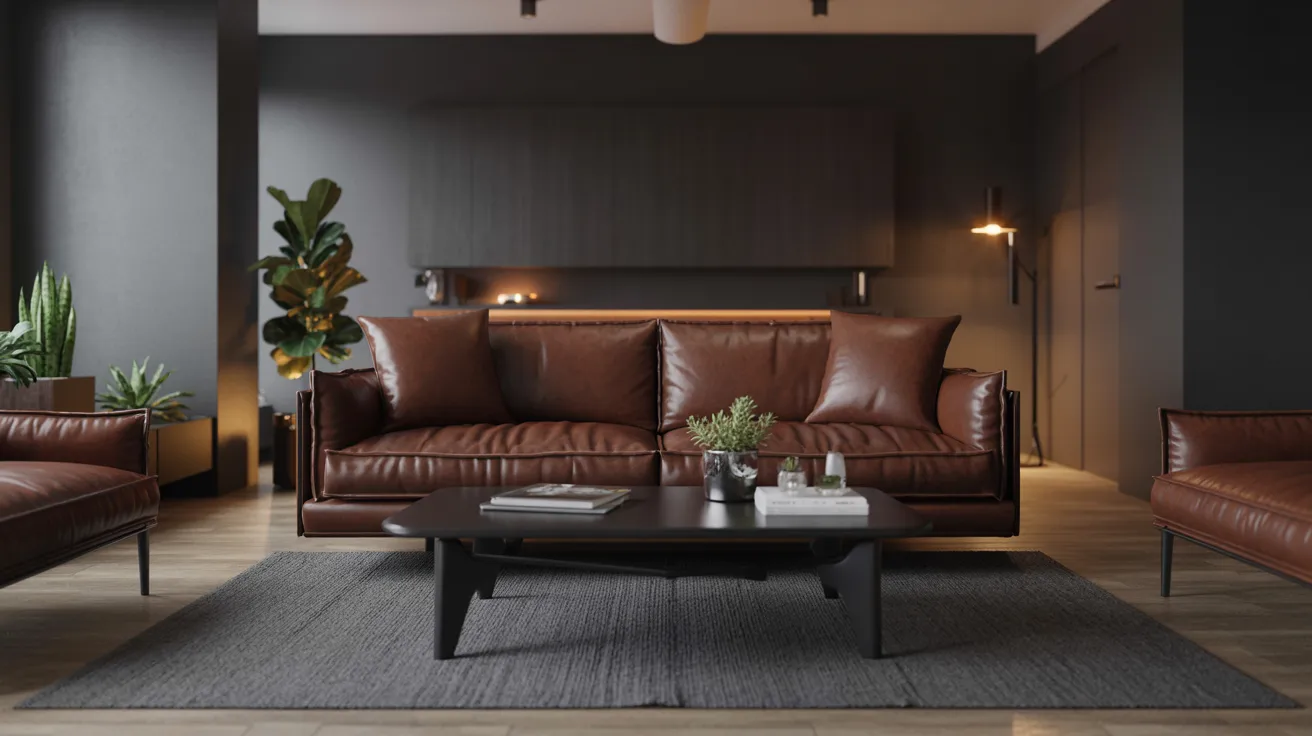
Mirroring means placing the same or similar items on both sides of your focal point. Two matching chairs.
Two identical lamps. Two framed prints of the same size. The items do not have to be identical, but they should feel equal in size and weight.
Maintaining Equal Visual Weight in a Room
Visual weight is how heavy something looks, not how heavy it actually is. A dark sofa looks heavier than a light one.
A large plant looks heavier than a small one. In symmetrical balance, you keep the visual weight equal on both sides of the room.
Importance of Proportion and Scale
A tiny lamp next to a large sofa will break the balance. Items on both sides need to be in proportion with each other and with the room.
Scale matters a lot. Getting this right makes the whole space feel pulled together.
Examples of Symmetrical Balance in Interior Design
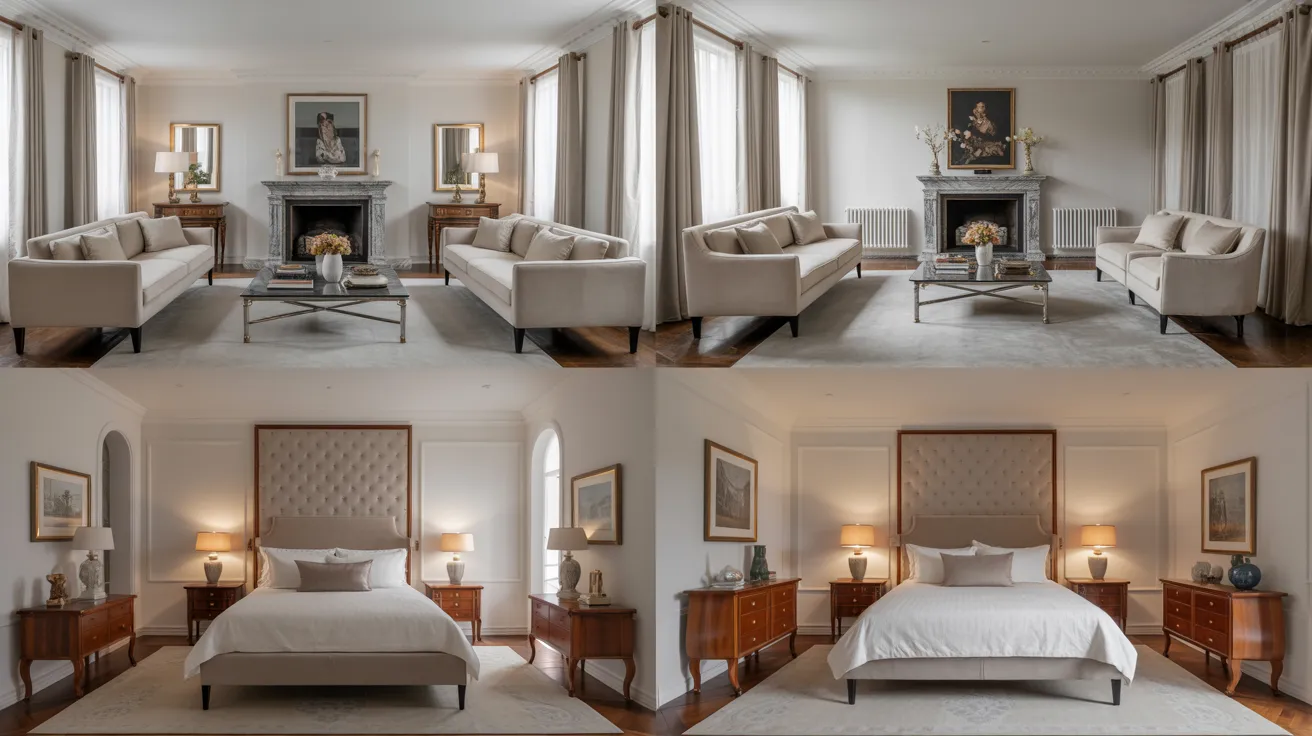
Real-room ideas that show symmetrical balance in action.
Living Room and Bedroom Layouts
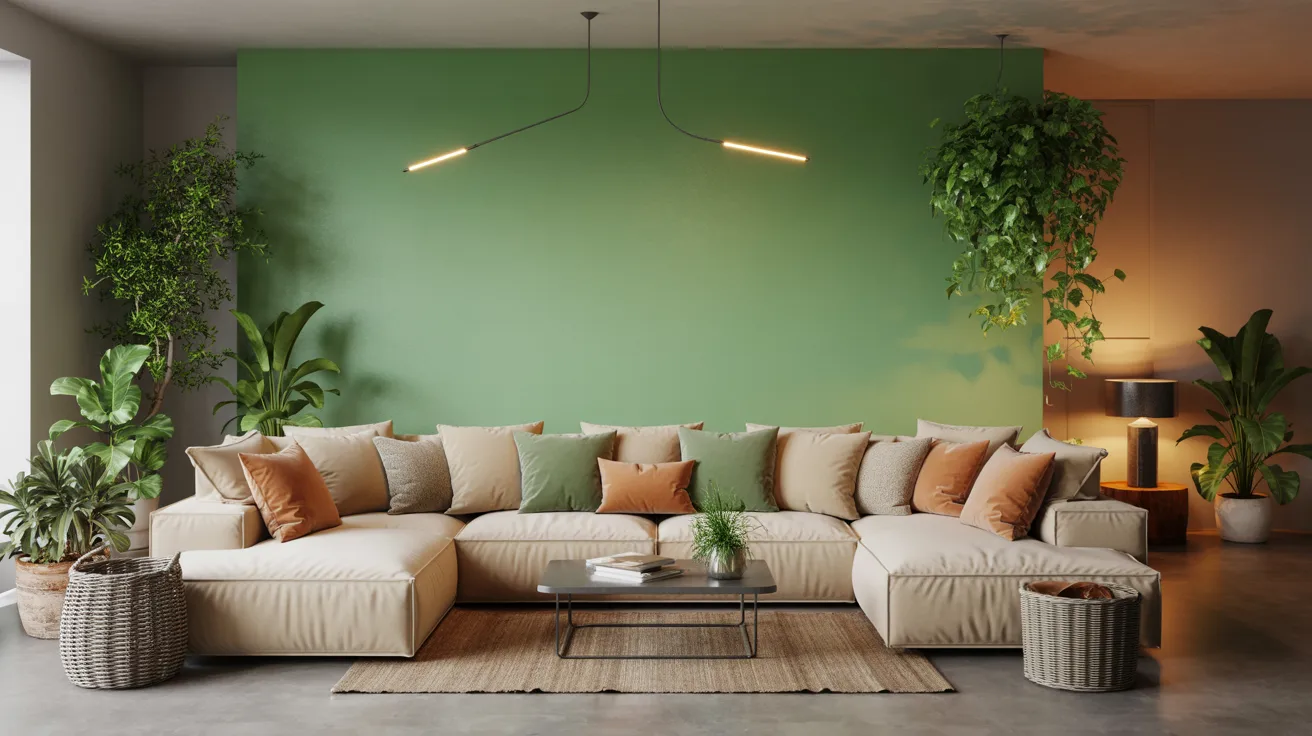
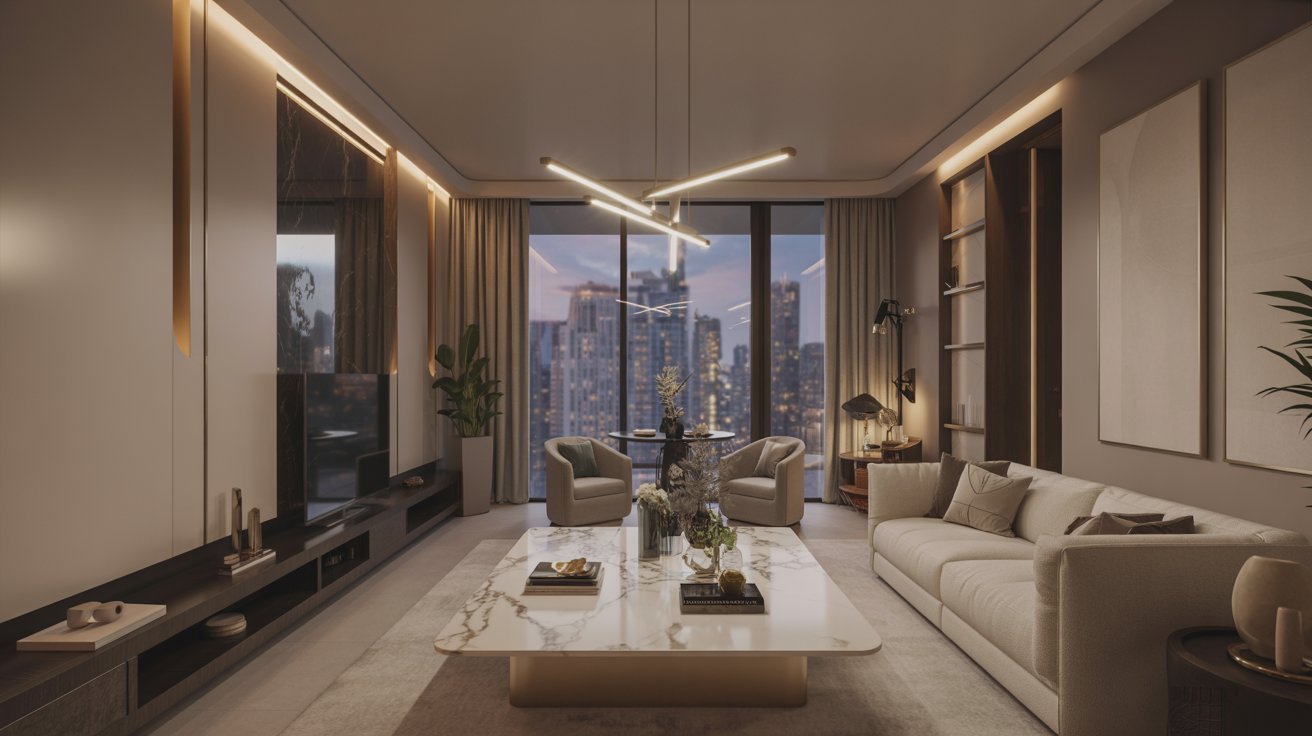
Place a sofa facing a focal wall. Add a matching armchair on each side. Put identical side tables and lamps at both ends. In a bedroom, the bed becomes your center point. Place matching nightstands on both sides with a lamp of the same height on each.
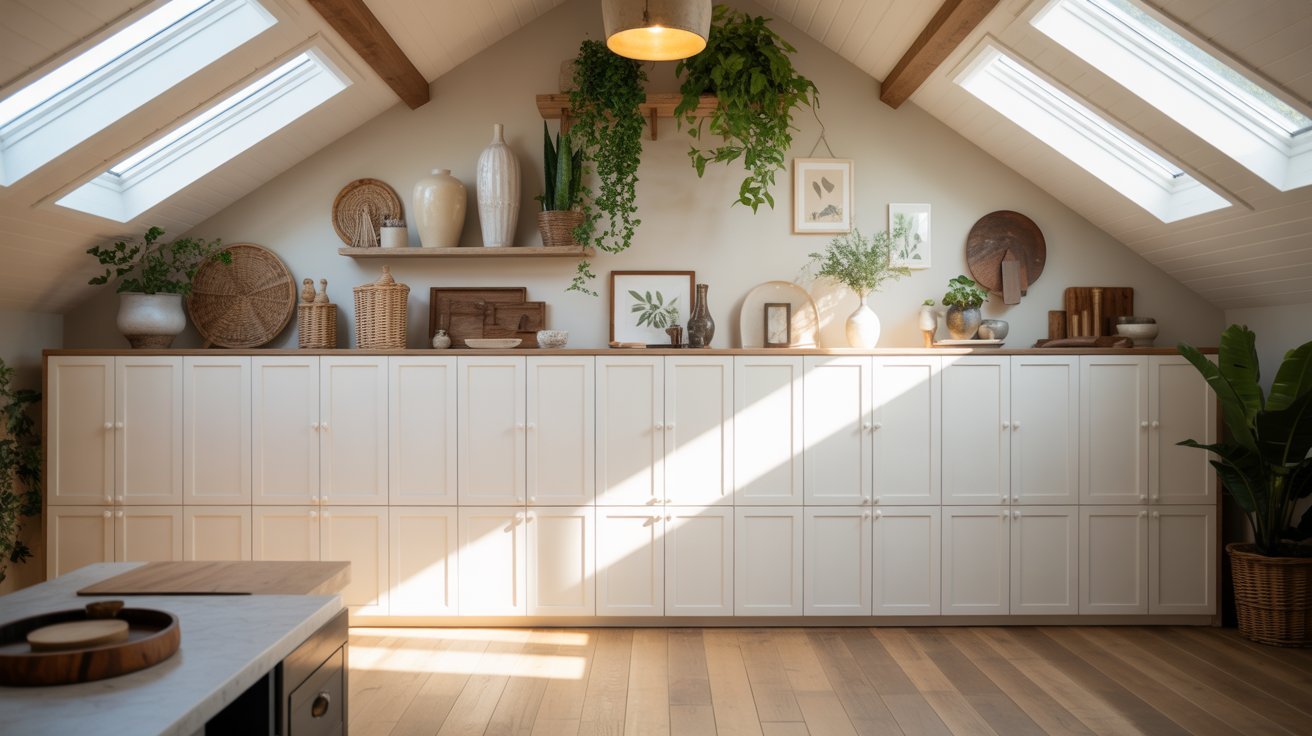
Hang one piece of art centered above the headboard. These are two of the most common examples of symmetrical balance in interior design.
Dining Room and Entryway Arrangements
A dining table sits naturally in the center of the room. Place chairs evenly on each side and hang a light fixture directly above the middle.
In a hallway, add a console table at the center with a mirror above it. Place a lamp or vase on each side. Two wall sconces at the same height finish the look cleanly.
Fireplace Wall With Matching Decor
A fireplace is one of the strongest focal points in any room. Place matching candlesticks or vases on both ends of the mantle.
Hang a large mirror or artwork centered above it. Add two identical chairs or side tables on each side of the fireplace. It is a simple setup that always looks pulled together.
Asymmetry & Symmetrical Balance in Interior Design
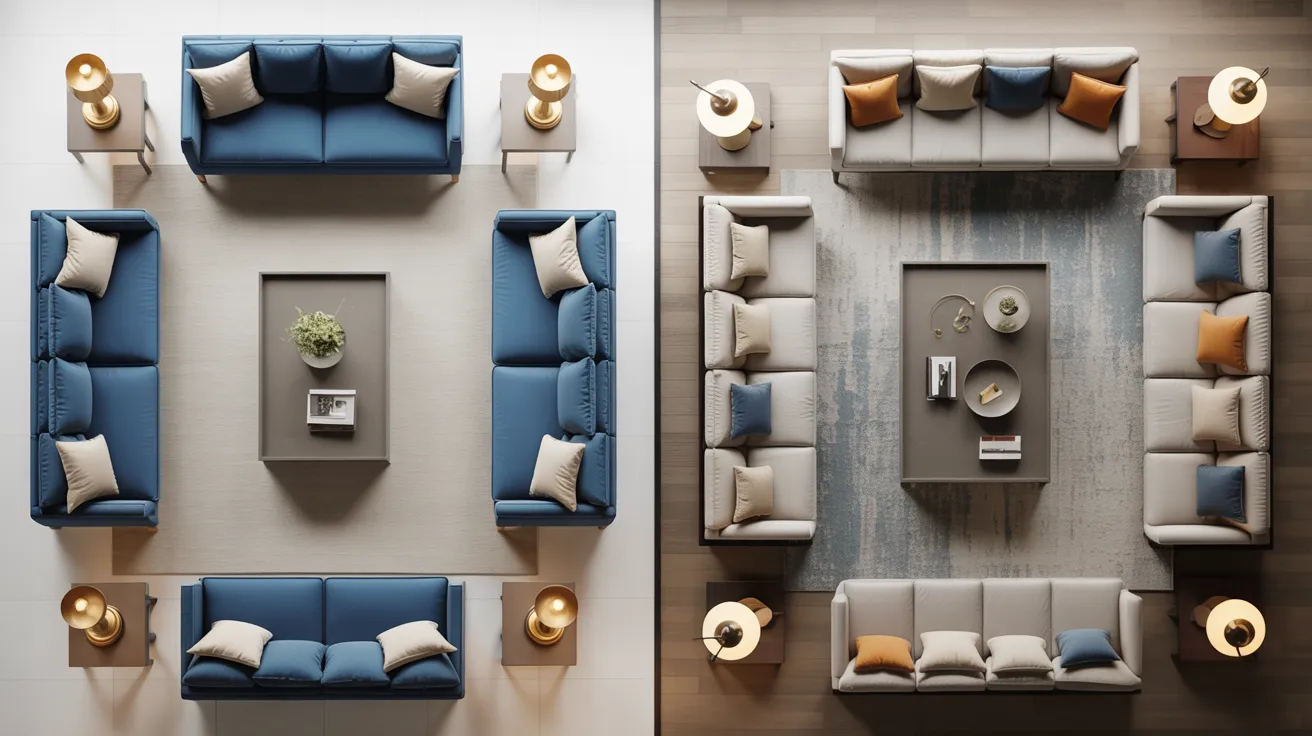
How these two design approaches differ and when each one works best.
What Is Asymmetrical Balance in Interior Design
Asymmetrical balance uses different objects that still carry equal visual weight. For example, a tall plant on one side balanced by two smaller items on the other. It feels more relaxed and less formal than symmetrical balance.
Key Differences Between Symmetry and Asymmetry
Symmetrical balance is predictable and structured. Asymmetrical balance is more creative and informal. Symmetry works best in formal or traditional spaces. Asymmetry suits casual, modern, or eclectic rooms where you want things to feel more laid-back.
When Designers Use Symmetrical or Asymmetrical Layouts
Designers choose symmetry when the goal is calm, order, or a formal feel. They choose asymmetry when the space needs energy or personality. Many rooms actually use both at once. A symmetrical sofa arrangement might sit under an asymmetrical gallery wall.
How Designers Plan Symmetrical Balance in Interior Design
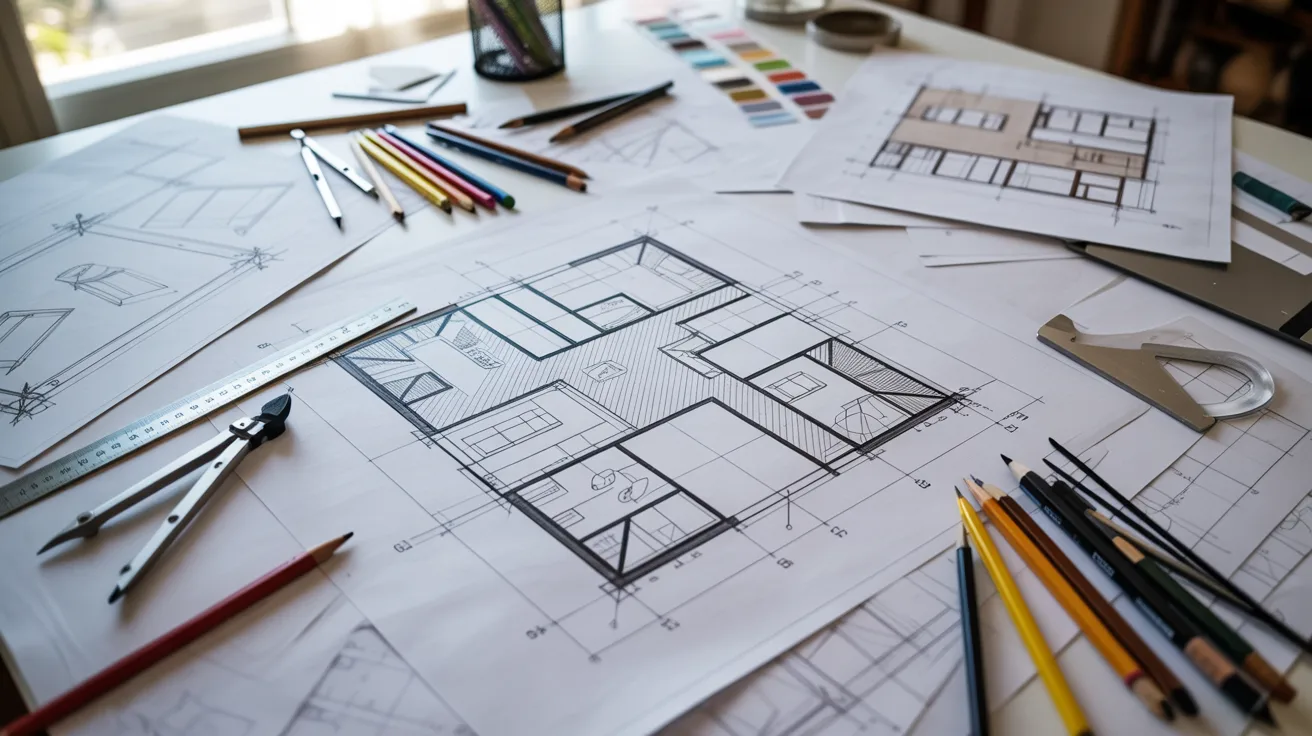
The tools and methods used to map out balanced rooms before moving any furniture.
Using Interior Design Drawings and Layouts
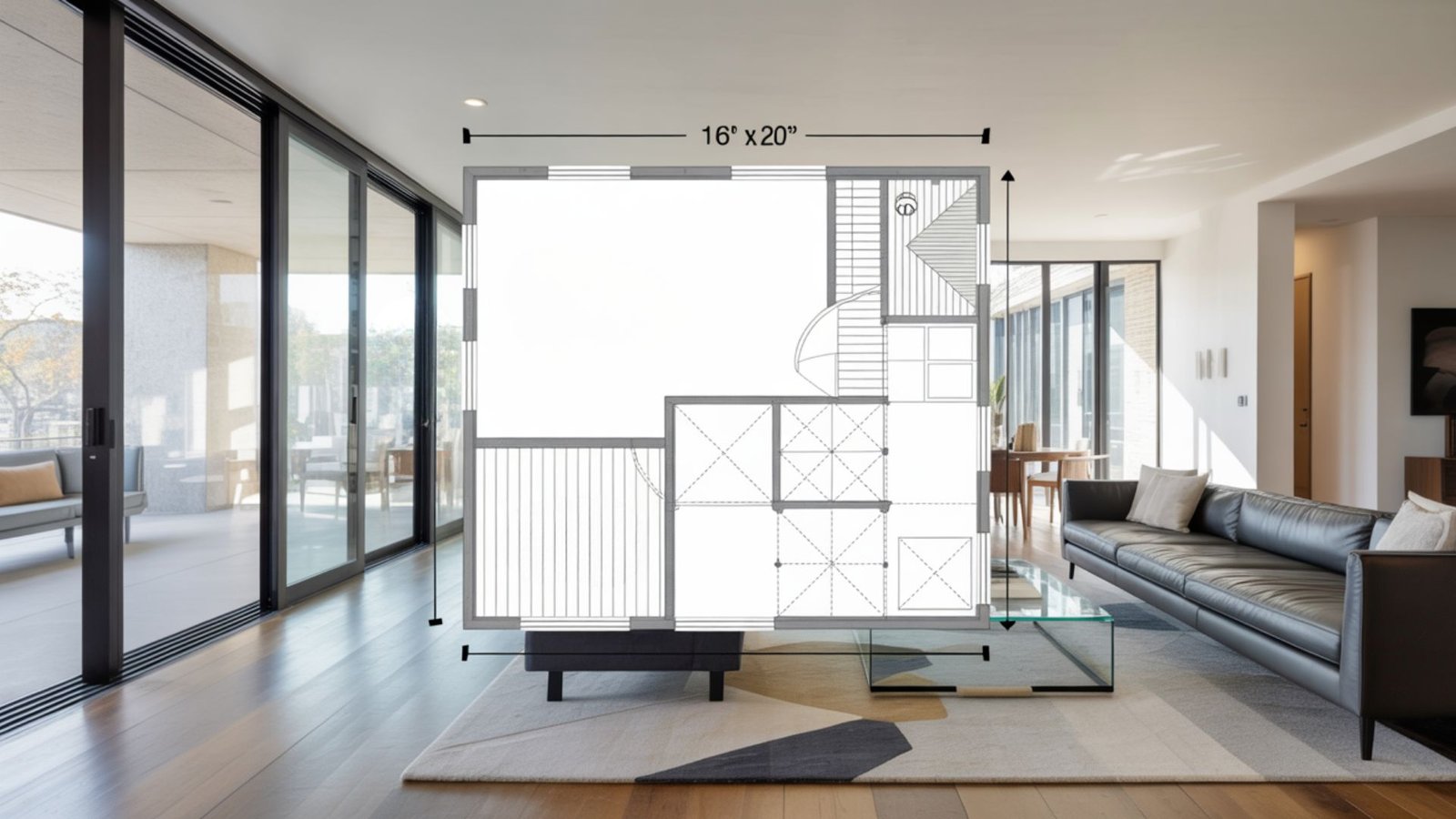
Before arranging furniture, many designers create a symmetrical balance in interior design drawing. This is a simple floor plan that shows where each item will go. It helps you see the layout before doing any heavy lifting.
Planning Symmetry in Floor Plans
A floor plan lets you measure the room and mark the central axis. You can then place furniture items equally on both sides. This step prevents mistakes and saves time during the actual setup.
Visualizing Balanced Furniture Arrangements
Even a rough sketch on paper helps. Draw your focal point in the center. Then draw matching items on each side. Apps and free online tools can also help you create a digital version of your room layout before you start moving things.
Tips for Creating Symmetrical Balance in Interior Design
Simple, practical ways to bring symmetry into your space without starting over.
- Pick one wall or element as your focal point and build everything around it.
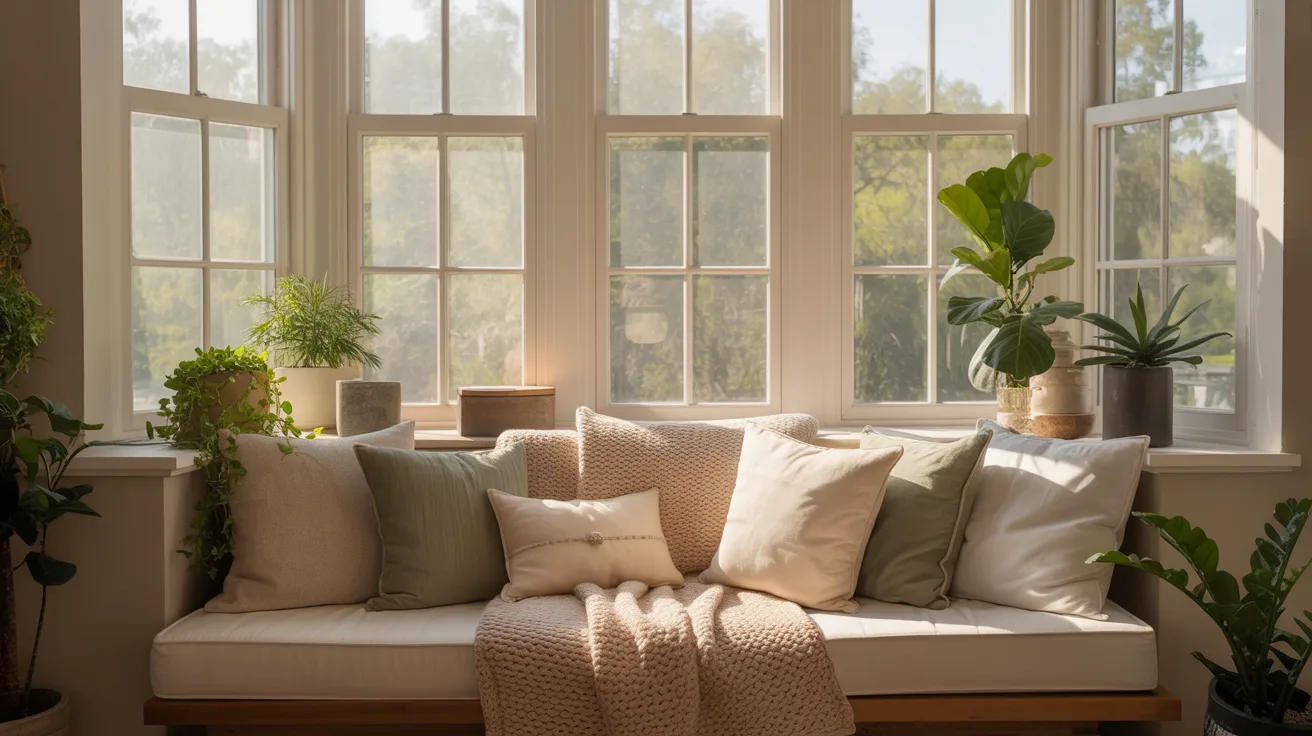
- Use matching pairs like two lamps, two chairs, or two plants to create instant symmetry.
- Mix one large item with smaller ones on each side to keep the visual weight equal.
- Keep furniture and decor in proportion with each other and with the size of the room.
- Try the same shape in different textures to add personality without breaking the balance.
- Hang artwork or mirrors centered above your focal point for a clean, finished look.
- Sketch a rough floor plan before moving furniture to avoid mistakes and save time.
Conclusion
Symmetrical balance in interior design is one of those things that looks hard but is actually very simple once you try it.
I started using these ideas in my own home with just two matching lamps, and the difference was real. You do not need a designer or a big budget. Start with one room. Pick a focal point and work outward.
If this helped you, I would love to hear what you try first. Leave a comment below or share this post with someone who needs a little more balance in their space.
Frequently Asked Questions
What is the main idea of symmetrical balance in interior design?
It means arranging a room so both sides of a central point look equal in size and visual weight. This creates a calm and organized space.
Can symmetrical balance work in small rooms?
Yes. Smaller rooms actually benefit a lot from symmetry. It makes the space feel more structured and less cluttered.
Is symmetrical balance only for formal or traditional homes?
Not at all. You can use it in modern, minimal, or casual homes too. It depends on how you style the paired items.
What is the difference between symmetrical and radial balance in interior design?
Symmetrical balance mirrors items across a straight axis. Radial balance arranges items in a circle around a central point, like chairs around a round table.
How do I start adding symmetrical balance to my living room?
Start with your focal wall. Place matching furniture or decor on both sides of it. Even two identical throw pillows on a sofa can begin the process.